French Students and Unions Rally for Sixth Weekend
Tens of thousands marched across France on November 21 over living costs and public services. Organizers and the Interior Ministry reported lower turnout than at the previous protest, while unions and activists called for further demonstrations.
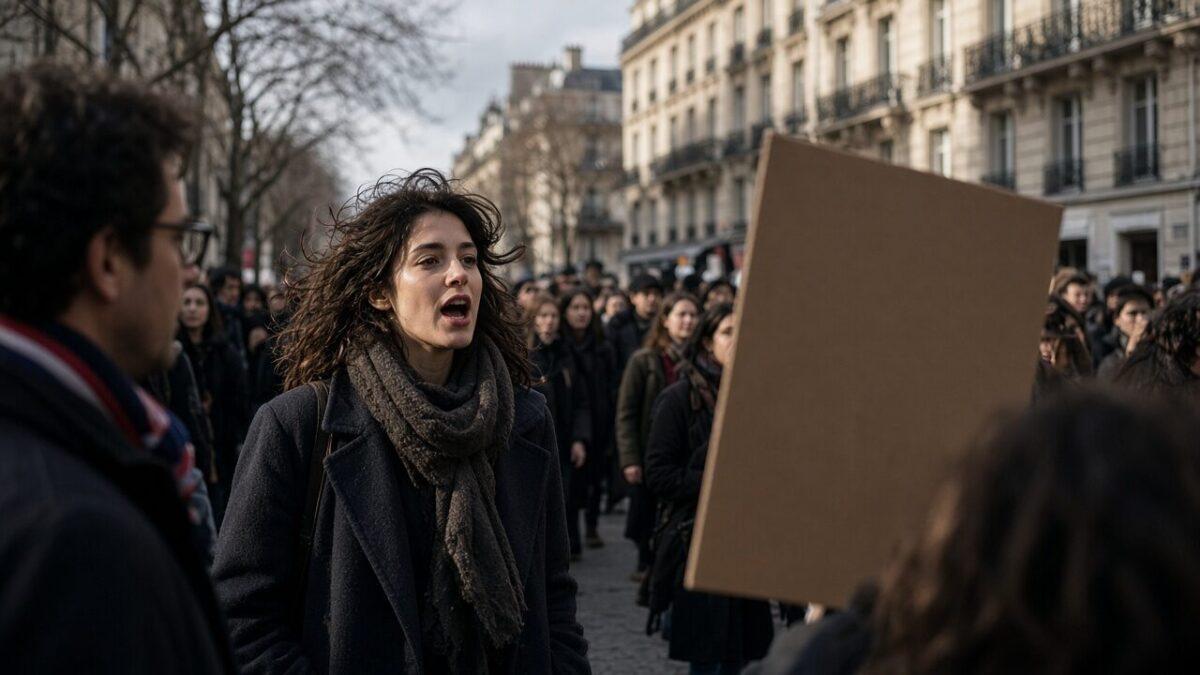
Students and unions joined tens of thousands of protesters across France on November 21 for a sixth consecutive weekend of marches. They demanded better public services and protested rising living costs and inequality, grievances that have also fueled demonstrations elsewhere in Europe.
Organizers counted 150,000 protesters nationwide, down from 200,000 at the previous weekend’s demonstrations. They reported 800,000 people at the first protest on October 17.
France’s Interior Ministry counted 82,500 marchers, compared with 106,000 the previous weekend. It said participation had “significantly declined.”
The movement began in mid-September with high school students demanding better learning conditions. It grew into a nationwide campaign against high prices, inadequate public services and police brutality.
In Paris, thousands gathered at Place de la Republique before marching east. Musicians played among food trucks, costumes and homemade signs.
Trade unions and left-wing parties marched alongside student groups and the Yellow Vest movement. One group displayed mock headstones for public services, including social security and education.
Manon Moret, general secretary of the students’ union Unef, said young people in several countries faced the same insecurity.
“You have to choose between having a roof over your head, getting medical care, and being able to eat your fill,” Moret said.
Protesters also marched in Lille, Marseille and Lyon. Clashes broke out on the sidelines of some demonstrations as people tried to gather in banned areas and set fire to vehicles and bins. Police fired tear gas.
Most protests have been peaceful, though some rallies last month brought clashes with riot police. Shops were looted, and buildings were attacked and burned.
France’s parliament has adopted a law increasing protection for law enforcement officers who use their weapons. The measure drew criticism from the left and was the target of a placard at the Paris march.
Interior Minister Laurent Nunez warned regional authorities to be “particularly vigilant regarding the groups most hostile to law enforcement” after the law passed.
Unions and activists have called for more protests in the coming weeks. Avril Bas, who attended the Paris march with her knitting group, said she supported students’ demands for better learning conditions.
“We’ll be there next week and the next week and as long as we’re needed,” she said.
 Take the quizWhat Kind of Holiday Spender Are You? Take the Black Friday QuizStart →





 Markets · FintechHow to Calculate Compound Interest: Formula, Examples and the Rule of 72
 Lifestyle · Food & HealthNormal Blood Pressure Chart by Age: Healthy Ranges Explained
 Lifestyle · Food & HealthWhat Is Raynaud’s Syndrome? Why Fingers Turn White in the Cold
 Lifestyle · Food & Health4 Ways Walking After Meals Helps Your Body, Doctors Say