Russia blocks binding weapons mandate at UN talks
UN talks in Geneva ended without a mandate to negotiate a binding treaty on autonomous weapons after Russia objected. Countries agreed to pursue further talks on rules within two years, but left open whether those rules would carry legal obligations.
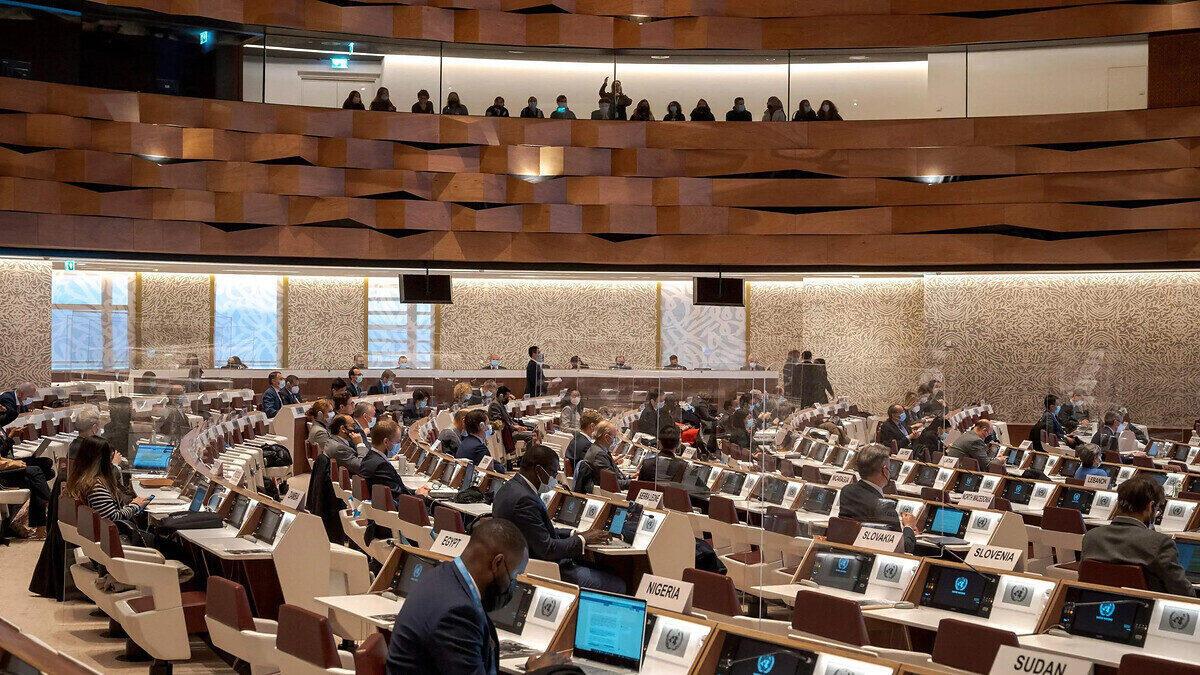
Russia’s objections blocked a mandate for a binding treaty on autonomous weapons at UN talks in Geneva, where countries instead pledged further discussions on rules within two years. The outcome leaves unresolved whether future controls on weapons that select and engage targets will be legally binding.
The week-long negotiations ended after an overnight session failed to overcome Russia’s objections. An overwhelming majority of states wanted a mandate leading to a binding treaty.
The conference agreed to ask countries “to elaborate by consensus” an instrument that may not carry legal obligations. The talks concerned weapons with little or no human oversight, including systems that identify and engage targets with varying degrees of autonomy.
Russia led the objections from the opening day. Diplomats at the negotiations said its delegates deliberately stalled proceedings, while US delegates sought a path to a consensus statement.
The United States was also reluctant to commit to a binding treaty. Russia, the United States and Israel opposed the push for binding rules, while some countries argued that existing international humanitarian law was sufficient.
South Korea, Japan, Turkey, the United Kingdom, France and Germany were among countries that resisted being bound by a new law and favored a nonbinding agreement.
European and NATO states, including Ukraine, as well as China and Iran, expressed support or willingness for a new protocol. More than 100 states had pushed for a new law, arguing that autonomous weapons posed new challenges.
A group of seven countries—Austria, Belgium, Brazil, Ireland, Mexico, New Zealand and Panama—had led a push to negotiate a binding treaty within one year.
The United States said human control over autonomous weapons had been discussed in meetings between Presidents Xi Jinping and Donald Trump.
The Geneva conference operates by consensus, requiring all 128 parties to the convention to agree unanimously. It has not passed a new law regulating weapons in the past 30 years.
The exclusion of several nonmember countries from negotiations prompted a protest in the chamber on the conference’s final day. Members of the Egyptian delegation shouted at the conference chair.
Human Rights Watch senior arms adviser Bonnie Docherty said autonomous weapons needed binding law. She said treaties could be negotiated within 15 months and rejected a US proposal to spend five years settling a mandate.
 Take the quizWhat Kind of Holiday Spender Are You? Take the Black Friday QuizStart →
- 1Stock Market Today: Dow Slides 1.34% and VIX Jumps 15% at Midday

- 2Joachim Klement to Sell Stocks After S&P 500 Signal

- 3Stock Market Today: Nasdaq, S&P 500 Futures Slide as AI Selloff Deepens

- 4Kenneth Walker’s Groin Injury Puts Cardinals Game in Doubt

- 5Pat Cummins Faces Captaincy Doubts From Mitchell Johnson

 Markets · FintechHow to Calculate Compound Interest: Formula, Examples and the Rule of 72
 Lifestyle · Food & HealthNormal Blood Pressure Chart by Age: Healthy Ranges Explained
 Lifestyle · Food & HealthWhat Is Raynaud’s Syndrome? Why Fingers Turn White in the Cold
 Lifestyle · Food & Health4 Ways Walking After Meals Helps Your Body, Doctors Say