S&P 500 Falls Into Correction as AI Spending Worries Grow
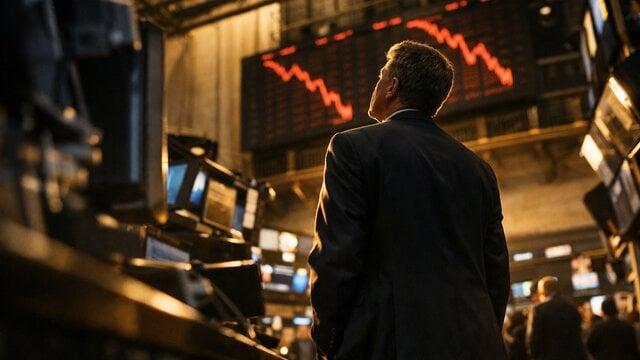
The S&P 500 has fallen 11.6% from its October high as investors question artificial intelligence spending and the impact of Federal Reserve rate hikes. Analysts are watching market indicators for a possible bottom, while warning that selling could continue.
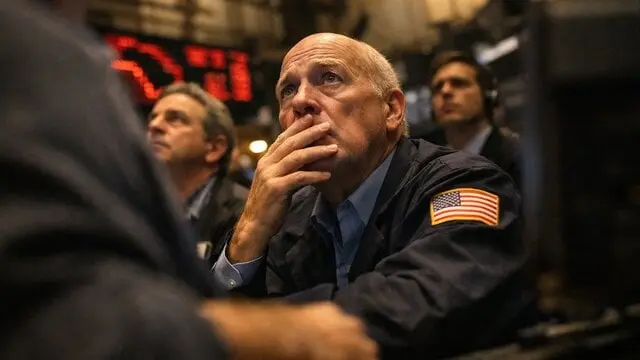
The S&P 500 has entered a correction as investors question heavy artificial intelligence spending and contend with Federal Reserve rate hikes. The benchmark US stock index has fallen 11.6% from its October 6 all-time high, leaving investors looking for signs that the selling may ease.
The decline exceeded the 10% threshold that defines a correction. It was the index's first correction since March 2025, when trade tensions unsettled markets.
The S&P 500 fell for seven straight sessions, its longest losing streak since the onset of the coronavirus pandemic in 2020. It also posted its biggest weekly drop in over a year.
The Nasdaq Composite, which includes many technology companies, lost its gain for the year. It was down 2.7% in 2026.
Technology shares have led a six-week slide amid questions about whether heavy data-center spending can be sustained. Investors said the start of Federal Reserve rate hikes also raised anxiety about risk assets.
Angelo Kourkafas, senior global investment strategist at Edward Jones, said sentiment was fragile. He added that a large enough decline could attract buyers.
Lower valuations and weaker sentiment have made stocks more attractive, said Mark Hackett, chief market strategist for Nationwide. Still, he cautioned that “emotional investors can overwhelm opportunistic ones in the short term.”
Indicators Approach Possible Bottom
Michael Arone, chief investment strategist at State Street Investment Management, said he was watching individual S&P 500 stocks' declines from their 52-week highs. He was also tracking how closely stocks moved together.
Those measures were approaching levels that could signal excessive selling, Arone said, but had not reached extremes.
Bruce Zaro, managing director at Granite Wealth Management, said one indicator was signaling a bottom. It compares the relatively small number of New York Stock Exchange stocks at 52-week highs with those at lows.
Another measure, the percentage of stocks above their average price over the past 50 days, had not yet signaled a market washout, Zaro said. “We are getting close to a great dip-buying point,” he said.
The Cboe Market Volatility index closed at 35.89, its highest level since the tariff turmoil of April 2025. The index is watched as a measure of investor anxiety.
Fed Decision and Micron Results
The Federal Reserve's next rate-setting meeting is scheduled for December 8-9. The central bank is widely projected to raise rates by a quarter percentage point.
Arone said investors would pay close attention to signals about further increases. “Market participants are afraid that the Fed is tightening into an economic slowdown when both earnings and AI investment have peaked,” he said.
Semiconductor company Micron Technology is due to report results on December 17. Those results could have broad implications for the outlook for artificial intelligence investment.
 Take the quizWhat Kind of Holiday Spender Are You? Take the Black Friday QuizStart →



 Markets · FintechHow to Calculate Compound Interest: Formula, Examples and the Rule of 72
 Lifestyle · Food & HealthNormal Blood Pressure Chart by Age: Healthy Ranges Explained
 Lifestyle · Food & HealthWhat Is Raynaud’s Syndrome? Why Fingers Turn White in the Cold
 Lifestyle · Food & Health4 Ways Walking After Meals Helps Your Body, Doctors Say