Ed Miliband Says Closer EU Ties Give UK a Voice on Rules
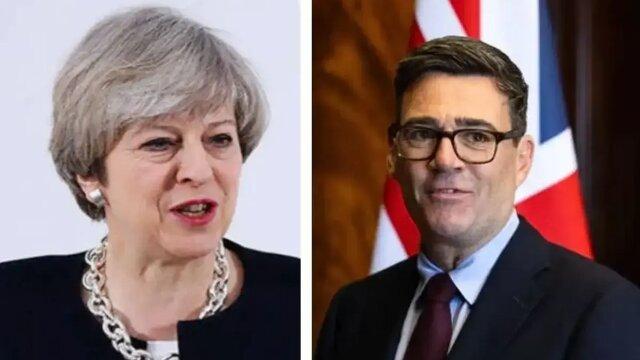
Foreign Secretary Ed Miliband says closer ties with the European Union would give Britain a say on rules its exporters already follow. The claim follows a UK-EU agreement on food and drink, emissions trading and youth mobility, which the Conservatives say they would scrap.

Closer UK-EU ties would give Britain a voice in Brussels decisions affecting its exporters, Foreign Secretary Ed Miliband said. His comments followed an agreement on food and drink, emissions trading and youth mobility, as politicians debated whether Britain should eventually rejoin the European Union.
Miliband said British businesses selling into Europe already had to follow EU rules. Food and agricultural exporters also faced paperwork because Britain was not integrated into that market, he said.
He called the current arrangement “the worst of all worlds” and argued for closer integration into EU markets. He declined to say whether he supported discussions about rejoining the bloc.
Prime Minister Andy Burnham plans informal discussions with European leaders about future ties. The timetable for closer integration, including any possible membership talks, remains unclear.
Miliband said the agreements reached at the Brussels summit were the limit of what could be done before the next general election. Labour’s manifesto ruled out rejoining the single market or customs union and excluded freedom of movement during this parliament.
Under the youth mobility plan, 100,000 young Britons will be allowed to live, work, study and travel in the EU. Europeans will have similar access to the UK.
Burnham said the agreement would add 0.5% to the UK’s gross domestic product, a £17bn boost to the economy. He said legislation to put the deal into effect would enter Parliament.
The EU has threatened to block the agreements unless Britain lets European students pay domestic-level tuition fees at British universities. Miliband denied that the agreements depended on resolving the tuition-fee issue and said they would take effect in 2028.
European Commission President Ursula von der Leyen said she was confident a solution could be found. She also welcomed further discussions on the future relationship.
Emily Thornberry, the Labour lawmaker who chairs the House of Commons foreign affairs committee, urged Burnham to push for EU membership. She argued that remaining outside the bloc left Britain in a permanent state of negotiation.
Conservative deputy leader Alex Burghart said his party would scrap the summit agreement if it won power. He argued that Britain should focus on stronger defense ties with Europe and said the public would not want to rejoin the EU.
Miliband also cited Russia’s full-scale invasion of Ukraine and the United States’ distancing from Europe under Donald Trump as reasons to consider closer ties. He said he had opposed Brexit but accepted the result of the 2016 vote.
 Take the quizWhat Kind of Holiday Spender Are You? Take the Black Friday QuizStart →




 Markets · FintechHow to Calculate Compound Interest: Formula, Examples and the Rule of 72
 Lifestyle · Food & HealthNormal Blood Pressure Chart by Age: Healthy Ranges Explained
 Lifestyle · Food & HealthWhat Is Raynaud’s Syndrome? Why Fingers Turn White in the Cold
 Lifestyle · Food & Health4 Ways Walking After Meals Helps Your Body, Doctors Say