S&P 500 Falls as AI Spending Fears Weigh on Stocks
The S&P 500 posted its seventh consecutive loss as investors questioned artificial intelligence spending. The decline came after a large inflow into US equity funds and ahead of a Federal Reserve decision on December 9.
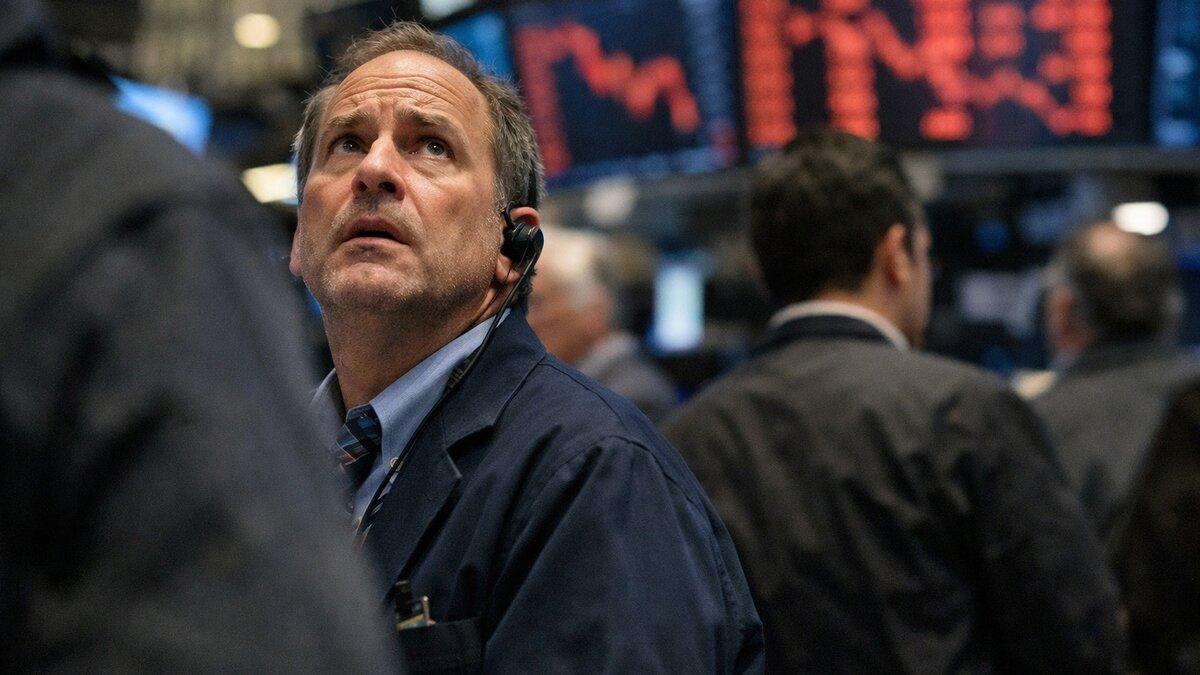
The S&P 500 fell as concerns about artificial intelligence spending weighed on US stocks, with the selloff raising questions about future Federal Reserve rate hikes. The index dropped 3.70% to 6,910.39 on November 20, its seventh consecutive loss.
The decline followed a 2.02% drop on November 19. The index lost 8.4% for the week, its worst weekly performance since early April 2025.
The Nasdaq Composite fell 5.28% to 22,617.73 and turned negative for 2026. Technology stocks faced pressure from worries about AI spending and the Democrats’ midterm sweep.
Fund inflows preceded the losses
US equity funds attracted $45.7 billion in the week ended November 18, 2026, before the two largest daily declines. It was their biggest weekly inflow since the week ended September 23.
Global equity funds drew $59.23 billion, up from $50.99 billion a week earlier. Technology funds attracted $12.3 billion.
The S&P 500 fell 5.6% over two sessions from its November 18 close of 7,323.63. It finished 11.6% below its October 6 record close of 7,818.93.
The SPDR S&P 500 ETF Trust, known by its ticker SPY, closed at $689.81, down 5.53% from November 18. The Invesco QQQ Trust fell 7.74% over the same period, while the Vanguard S&P 500 ETF lost 5.33%.
Over the past month, QQQ fell 14.8%, compared with 9.8% for SPY. Chipmakers and chip-equipment companies account for much of QQQ’s largest holdings, according to its latest Securities and Exchange Commission filing.
The next weekly fund-flow report will include the selloff days. Trading resumes Monday, November 23, and US markets close Thursday, November 26, for Thanksgiving.
Rate outlook divides Fed watchers
Peter Boockvar, chief investment officer of OnePoint BFG Wealth Partners, said continued stock losses and AI spending concerns could limit further Fed rate increases after December. He questioned whether officials would raise rates then, saying, “if they even do then.”
Boockvar estimates data center spending accounts for about half of US gross domestic product growth. He also estimates AI represents about half of the S&P 500’s market value and about 75% of its earnings growth.
The two-year Treasury yield closed at 4.63%, down from 4.88% a week earlier. The 10-year yield fell to 4.92% from 5.15%.
CME FedWatch showed about 92% odds of a quarter-point rate hike in December. Citi also expects a quarter-point increase, followed by a hold and rate cuts later in 2027.
Fed Governor Lisa Cook said financial conditions remain too accommodating and that the single September rate increase is unlikely to be enough. The Fed announces its next decision on December 9.
 Take the quizWhat Kind of Holiday Spender Are You? Take the Black Friday QuizStart →

 Markets · FintechHow to Calculate Compound Interest: Formula, Examples and the Rule of 72
 Lifestyle · Food & HealthNormal Blood Pressure Chart by Age: Healthy Ranges Explained
 Lifestyle · Food & HealthWhat Is Raynaud’s Syndrome? Why Fingers Turn White in the Cold
 Lifestyle · Food & Health4 Ways Walking After Meals Helps Your Body, Doctors Say