Anthropic Faces Drugmakers Using AI to Cut Research Time
Major drugmakers say artificial intelligence is shortening early research, with Novo Nordisk reporting fewer design and testing cycles. Anthropic is moving into drug discovery as both a potential partner and competitor, while researchers caution that clinical trials and regulatory reviews may still slow approvals.
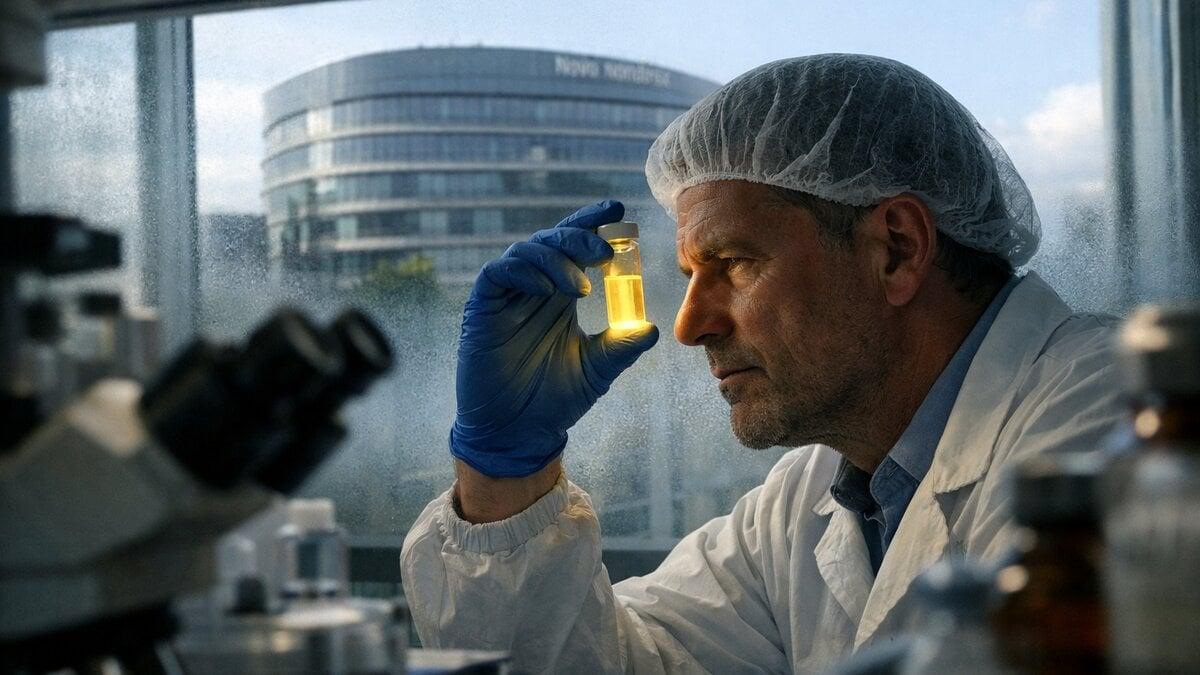
Big pharmaceutical companies are watching Anthropic as they use artificial intelligence to shorten drug research. Novo Nordisk says it has cut molecule design and testing cycles from around eight to three, while Novartis reports a shorter path from project start to drug candidate.
The changes affect an early stage of a long process. Nearly nine out of 10 drugs developed using conventional methods fail in clinical trials, while bringing a drug to market can take 10 to 15 years and cost billions, industry group PhRMA says.
GSK, Bristol Myers Squibb, Novartis, Eli Lilly, Novo Nordisk, AstraZeneca and Sanofi say they use AI to design molecules, identify promising candidates and spot safety risks.
Drugmakers report faster research
Novo Nordisk says AI has reduced each cycle of designing, manufacturing and testing molecules from eight weeks to four. Novartis says the average time from project start to a drug candidate has fallen from three years to about 18 months to two years.
Sanofi says an AI-enabled approach saved at least a year in development of its asthma treatment lunsekimig. The approach helped translate early biology into clinical decisions and allowed the company to skip a dose-selection study.
Novartis says AI helped it identify five targets for kidney disease treatments. Bristol Myers says it would not have developed one sickle cell anemia candidate without its AI systems.
Bristol Myers Chief Research Officer Robert Plenge says the company uses AI to refine molecules and simulate results using trial data. Those simulations help it decide which candidates should move forward.
Anthropic enters drug discovery
Anthropic has opened a laboratory, launched research software called Claude Science and is working with partners including Bristol Myers to develop drugs. Novartis CEO Vas Narasimhan has joined its board, while Novo Nordisk uses Anthropic models and Claude Science in research.
Anthropic CEO Dario Amodei said AI could accelerate drug development, though experiments and clinical trials would still take time. He said, “We hope that in the future, fewer families miss a cure by a few years.”
The AI company can be both a collaborator and competitor, according to Aliza Apple, who runs Lilly’s TuneLab. The program gives smaller biotech companies access to some of Lilly’s internal AI models.
GSK Chief Scientific Officer Tony Wood called Anthropic “another competitor.” Bristol Myers and Novo Nordisk see AI companies more as partners.
Novo Nordisk and Sanofi say they do not provide proprietary data to leading AI laboratories to train their models. Anthropic did not respond to a request for comment on its acquisition plans or relationships with drugmakers.
Clinical trials remain a hurdle
Researchers identified 129 AI-enabled drug candidates across 69 companies in March, up from around 117 eight months earlier. Most programs remained in early-stage development.
University of Chicago oncology fellow Dr. Waqas Haque, who helped compile the data, expects more AI-developed drugs to enter research and clinical trials. He cautioned that human trials and regulators could prevent faster approvals.
Sanofi’s global head of computational and AI strategy for research and development, Matt Truppo, expects AI to cut early-discovery timelines by 20% to 25% within two years across more than 100 drug development programs.
 Take the quizWhat Kind of Holiday Spender Are You? Take the Black Friday QuizStart →





 Markets · FintechHow to Calculate Compound Interest: Formula, Examples and the Rule of 72
 Lifestyle · Food & HealthNormal Blood Pressure Chart by Age: Healthy Ranges Explained
 Lifestyle · Food & HealthWhat Is Raynaud’s Syndrome? Why Fingers Turn White in the Cold
 Lifestyle · Food & Health4 Ways Walking After Meals Helps Your Body, Doctors Say