JPMorgan Sees S&P 500 Hitting 8,200 by End of 2027 on AI Demand
JPMorgan strategist Dubravko Lakos-Bujas says the S&P 500, the benchmark index of large US companies, can reach 8,200 by the end of 2027. The call comes after a sell-off from October highs above 7,800 and a hawkish turn at the Federal Reserve.
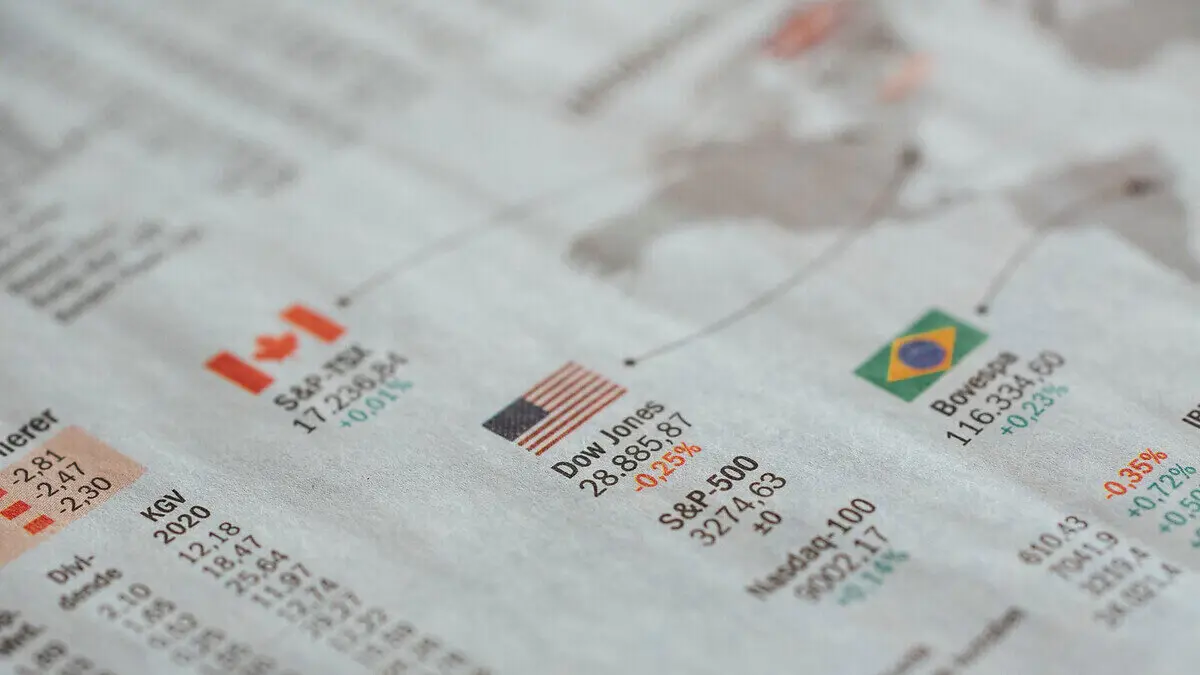
JPMorgan says the S&P 500, the stock index tracking large US companies, can climb to 8,200 by the end of 2027, driven by demand for artificial intelligence. Dubravko Lakos-Bujas, the bank's head of global markets strategy, set the target. It is more than 13% above Tuesday's close of 7,201.09.
Lakos-Bujas argues Wall Street is underestimating the strength of the AI cycle. "We remain of the view that the AI supercycle remains intact with demand for compute still strong and sticky," he wrote on Tuesday.
He added that the "large deleveraging seen across the AI complex in recent months should, if anything, extend the cycle."
Other banks are also bullish. Last week, Goldman Sachs issued a 2027 year-end S&P 500 forecast of 8,700. Morgan Stanley raised its 12-month target to 8,700 from 8,000.
Market well below October peak
The forecasts come during a rough stretch. The index has fallen far from October highs above 7,800 as worries grew about the sustainability of AI spending. The recent exit and reinstatement of Nvidia chief executive Jensen Huang added to the volatility.
Next year is not expected to be easy. The Federal Reserve has taken a more hawkish stance in recent weeks, raising the prospect of multiple rate hikes in 2027.
JPMorgan also expects earnings growth for S&P 500 companies to slow to around 17% in 2027, from about 35% this year.
Lakos-Bujas says those fears are largely priced in after the sell-off. He expects the index can absorb a shallow hiking cycle as long as the central bank focuses on growth.
Where JPMorgan sees opportunity
His core argument is about demand. "We believe the market is correct that compute supply can only expand as fast as the macroeconomy, financing conditions, regulation, and infrastructure allow," he wrote. "But we also think the market is underestimating the demand for intelligence, which we believe is multiples of what current compute supply can serve."
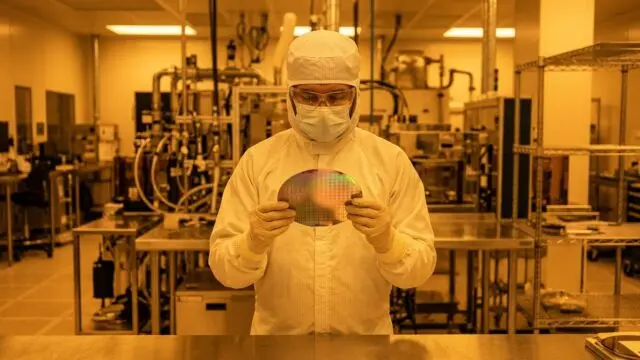
For the short to medium term, he favors semiconductors and tech hardware, naming Nvidia and Micron Technology. He also likes industrials and energy infrastructure stocks such as GE Vernova and Constellation Energy.
He is more selective on software, where he says investors should pick the most resilient names, such as in cybersecurity.
 Take the quizWhat Kind of Holiday Spender Are You? Take the Black Friday QuizStart →
- 1Qualcomm shares rise to $168.66 as chipmaker bucks wider tech selloff

- 2Meta Platforms shares rise 2.5% as AI loan and Amazon talks draw focus
- 3Broadcom shares edge down as late rebound trims early AI selloff

- 4Alphabet stock slides to $270 as credit concerns deepen
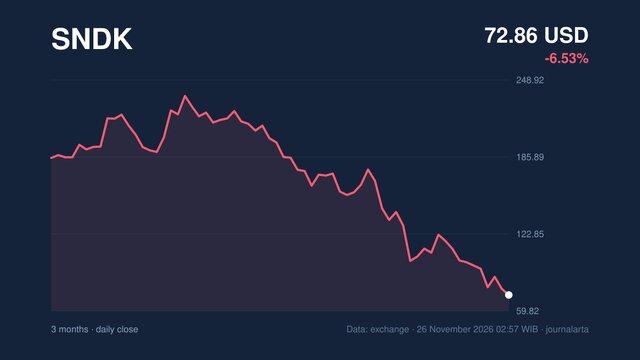
- 5Sandisk stock slides as memory supply fears hit AI trade
 Lifestyle · Food & HealthNormal Blood Sugar Levels: A1C, Fasting and After-Meal Ranges Explained
 Lifestyle · Food & HealthNorovirus Symptoms: How Long It Lasts and When You Stop Being Contagious
 Lifestyle · Food & HealthCold vs Flu vs RSV: How to Tell the Difference by Symptoms, Speed and Duration
 LifestyleWhy Do Long Lines Make People Curious? 5 Reasons We Join the Crowd