S&P 500 Falls as AI Spending and Rate Worries Grow
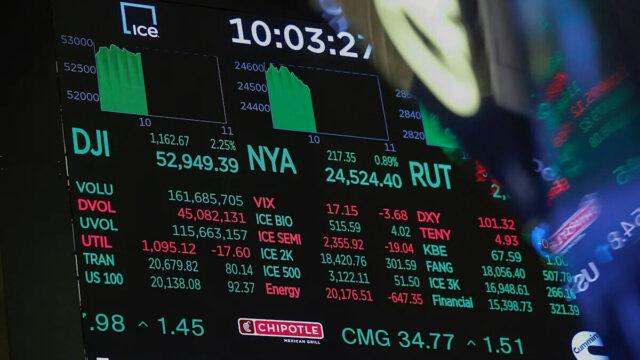
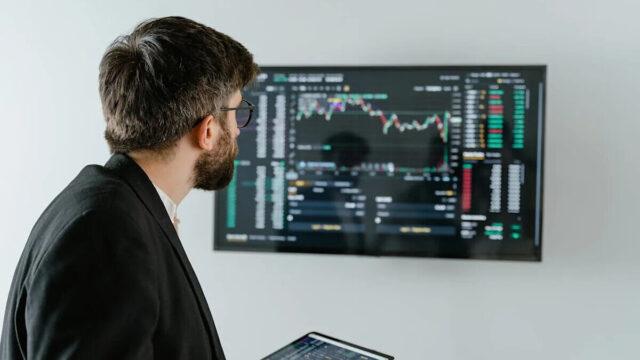
The S&P 500 entered a correction as investors weighed concerns about artificial intelligence spending, technology valuations and Federal Reserve policy. The index closed at 6,910.39 on November 20, leaving it 11.6% below its October 6 high.
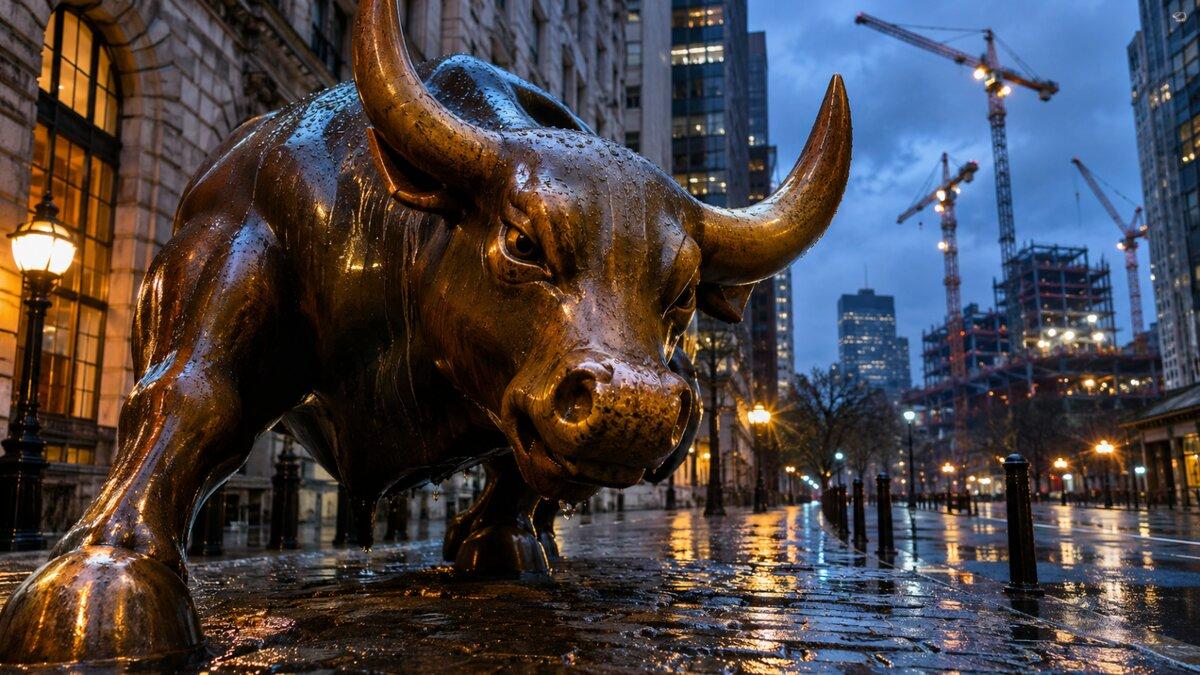
The S&P 500 entered a correction as investors worried about a potential slowdown in artificial intelligence spending, high technology valuations and Federal Reserve interest rate policy. The index closed at 6,910.39 on November 20, down 11.6% from its October 6 closing high of 7,818.93.
The decline put the index in correction territory for the first time since April 2025. A correction is a 10% decline from a recent high.
Stocks fell 3.7% on November 20 alone. It was the S&P 500's seventh consecutive daily decline.
A deeper fall could become a bear market, defined as a drop of 20% or more from the most recent peak. A bear market does not automatically mean the economy will enter a recession.
Deutsche Bank macro strategist Henry Allen said the latest selloff differs from several major market declines in recent years. He pointed to the growth outlook, economic data and interest rate expectations.
Since the 1962 bear market known as the Kennedy Slide, every S&P 500 bear market has coincided with at least one of three factors, Allen said. Those were a recession, worsening data that raised recession fears, or a cycle of Federal Reserve rate hikes.
Allen said none of those conditions had emerged so far. There had been no sudden reassessment of the growth outlook, he said.
The November U.S. flash composite Purchasing Managers' Index, a measure of business activity, stood at 54.6. A reading above 50 indicated that activity continued to expand.
Allen also said falling share prices had not coincided with a shift toward expectations of higher interest rates. Markets were pricing fewer Federal Reserve rate hikes through September 2027 than they were on October 6, he said.
Investors widely expected the central bank to raise rates again at its final meeting of the year on December 9, Allen said.
Of the 13 S&P 500 bear markets since 1946, eight overlapped with recessions and five did not. The National Bureau of Economic Research defines a recession as a significant decline in activity across the economy that lasts more than a few months.
The 1973-74 oil shock, the dot-com bust in 2000, the 2007-09 financial crisis and the 2020 pandemic downturn overlapped with recessions. Bear markets in 1987 and 2022 did not.
Allen contrasted the current decline with the Covid-19 shock, when the S&P 500 plunged 33.9% in 33 days. He said the 2025 Liberation Day tariff period also prompted investors to reassess the growth outlook.
 Take the quizWhat Kind of Holiday Spender Are You? Take the Black Friday QuizStart →
- 1Sandisk shares jump nearly 16% to $85.36 after Kioxia-Nvidia test

- 2Tyreek Hill Still Not Cleared to Play After Knee Injury

- 3Magnitude 5 earthquake hits Los Angeles area
- 4Sainsbury’s wrongly bans woman after facial recognition alert
- 5Full Retirement Age Chart: Social Security Ages by Birth Year Explained

 Business · EnergyCarbon Capture and Storage Technologies: How the Three Main Methods Work
 Lifestyle5 Ways to Help Your Dog Feel Comfortable When Guests Visit
 World · United StatesHow to Apply for a Passport Online: What First-Time US Applicants Need to Know
 Markets · FintechU.S. Bank Cash Flow Manager: How Its Business Line of Credit Works