Federal Plan Sets Out Black-Level Response
A draft federal plan sets out how US agencies would respond to a black-level cyberattack, the highest category in a six-tier severity scale. The plan assigns investigative and technical roles to federal agencies as cybersecurity experts warn about the risks of attacks and technology failures.
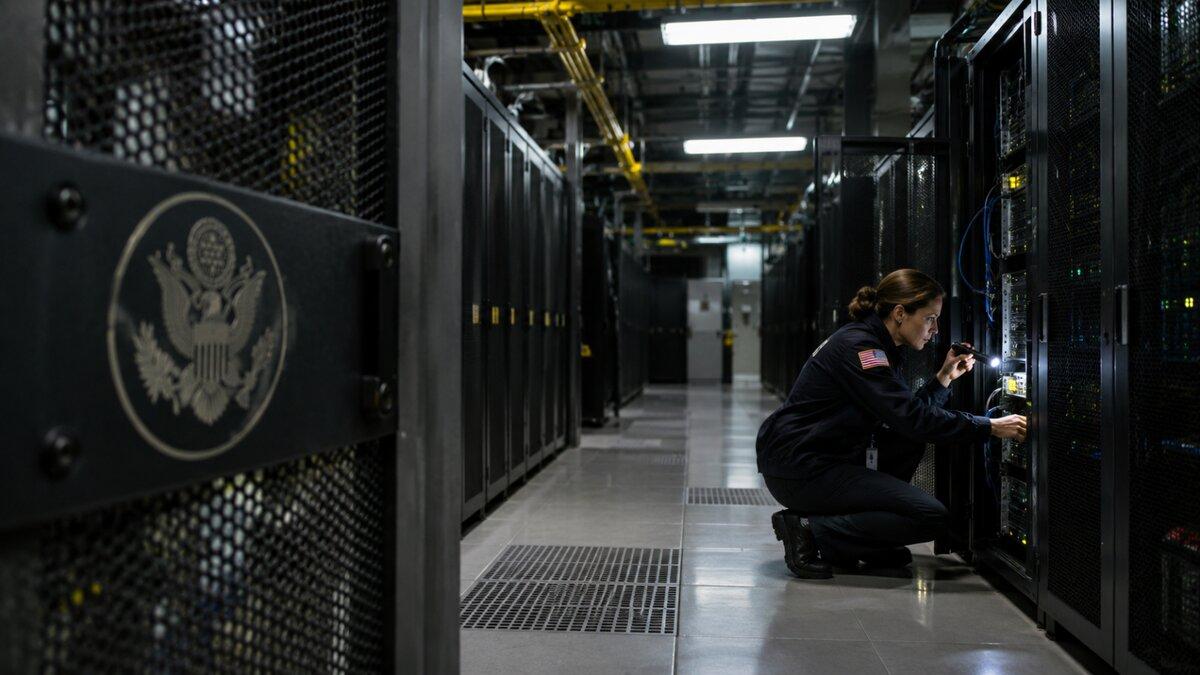
US federal agencies have a draft plan for responding to a black-level cyberattack, the highest category on a six-tier severity scale, according to the Cybersecurity and Infrastructure Security Agency. Such an attack could threaten essential infrastructure, government stability or American lives.
The plan sets out how agencies would coordinate during a major cyber emergency. It follows incidents and technology failures that disrupted flights, banking services and government operations.
US officials have said there is no evidence that the wider series of disruptions was coordinated or malicious.
Black level marks highest threat
The federal Cyber Incident Severity Schema ranges from level zero, or white, to level five, or black. The scale appears in the draft update to the National Cyber Incident Response Plan.
A white incident is unconfirmed or insignificant. A green incident is unlikely to have wider consequences, while a yellow incident could have wider consequences.
An orange incident is expected to measurably affect areas including national security, public safety or the economy. A red incident is severe and expected to have significant consequences.
The Cybersecurity and Infrastructure Security Agency, known as CISA, released the draft update in December 2024. Public consultation closed on February 14, 2025. The original response plan was first published in 2016.
Federal agencies would divide roles
Under the draft, a Cyber Unified Coordination Group would coordinate federal operations during a major incident. The Federal Bureau of Investigation would lead efforts to investigate and counter the threat.
CISA would provide technical assistance to affected organizations. Intelligence officials would gather and analyze information about the threat.
Former White House chief information officer Theresa Payton urged businesses to rehearse emergency plans. She pointed to the risk of hackers targeting internet-connected equipment, including refrigeration systems.
Federal emergency preparedness guidance recommends keeping food, water, medication and cash. It also recommends backup power and copies of important documents.
Experts warn of disruption risks
Recent incidents included a daylong Microsoft outage and a nationwide Federal Aviation Administration ground stop. Banking services also faced disruptions, and a cybersecurity incident involved JPMorgan Chase customer data.
Other incidents affected Apple and internal systems at the National Security Agency.
Former FBI deputy cyber chief Cynthia Kaiser said a mixture of attacks and outages could be the “new norm” in the coming months to years.
In 2022, CISA warned that the first two days after a cyberattack could bring confusion, communications failures and lost forensic evidence. Physical systems could also face disruption.
A prolonged response could leave personnel exhausted and resources stretched, the agency warned.
Kaiser also warned that criminals could exploit widespread banking outages. “You're going to start having scammers calling people, pretending to be from the bank, trying to steal their money amid the chaos,” she said.
 Take the quizWhat Kind of Holiday Spender Are You? Take the Black Friday QuizStart →
- 1Sandisk shares jump nearly 16% to $85.36 after Kioxia-Nvidia test

- 2Tyreek Hill Still Not Cleared to Play After Knee Injury

- 3Magnitude 5 earthquake hits Los Angeles area

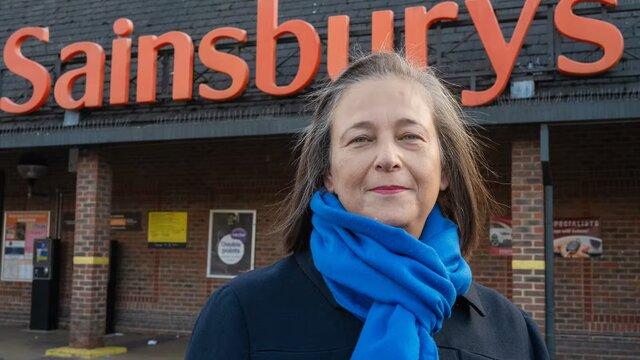
- 4Sainsbury’s wrongly bans woman after facial recognition alert
- 5Full Retirement Age Chart: Social Security Ages by Birth Year Explained

 Business · EnergyCarbon Capture and Storage Technologies: How the Three Main Methods Work
 Lifestyle5 Ways to Help Your Dog Feel Comfortable When Guests Visit
 World · United StatesHow to Apply for a Passport Online: What First-Time US Applicants Need to Know
 Markets · FintechU.S. Bank Cash Flow Manager: How Its Business Line of Credit Works