
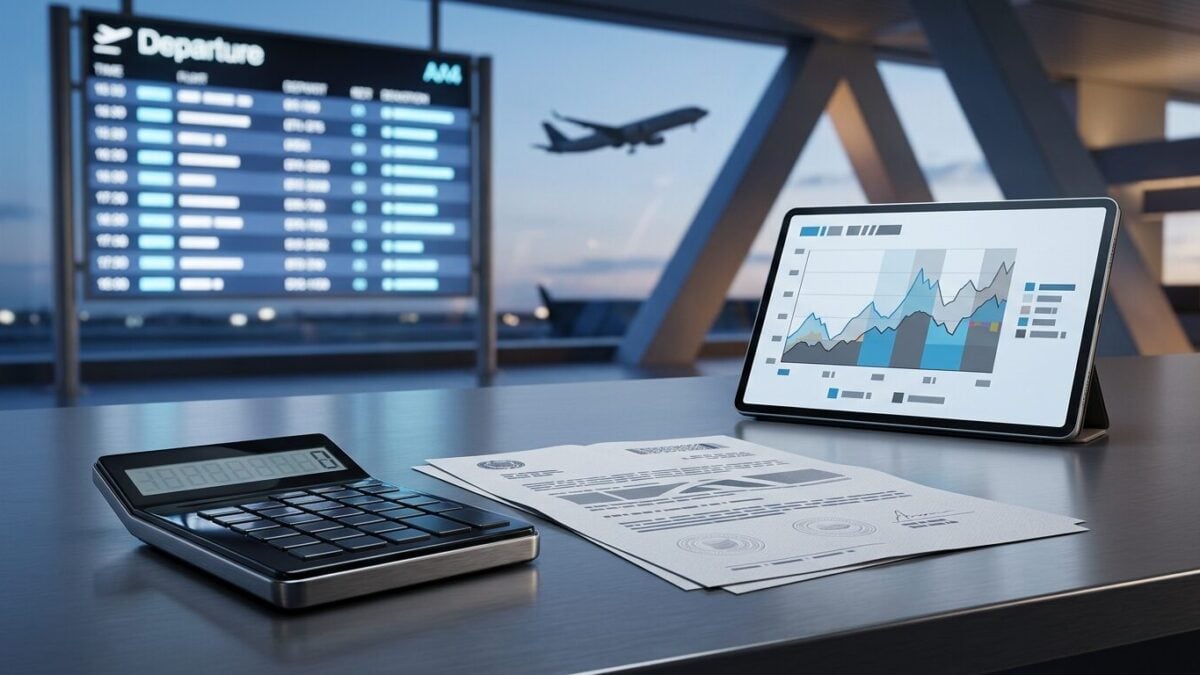
JAKARTA — airfare ceiling tariff plans now being prepared by the government will remove the separate fuel surcharge when the new rule takes effect. Transportation Minister Dudy Purwagandhi said in Jakarta on Sunday that the fare structure for airlines will be folded into the new tariff scheme.
Under the current system, airlines still use a temporary adjustment through the fuel surcharge. Once the latest airfare ceiling tariff is officially used as the reference, that separate charge will no longer stand on its own.
Operating costs will be included in the cap
Dudy said the fare ceiling is designed as a bundle of airline cost components. It includes operating expenses, among them fuel, which has often been cited as the reason for extra charges. So when the new fare cap is enforced, the fuel surcharge will be eliminated as a separate line item.
“Regarding the airfare ceiling tariff, the TBA contains cost components from the airlines. Those are operating costs and so on, including fuel surcharge. If the TBA is implemented later, the fuel surcharge will be removed,” Dudy said when contacted in Jakarta on Sunday.
That matters for passengers. Extra fees have often made tickets look more expensive than the base fare buyers first see. When that component is built into the new scheme, airlines and passengers will face a simpler pricing structure.
Why the government is not rushing
Even with the new fare cap draft ready, the government is not changing the rule just yet. Dudy said the current airfare ceiling tariff was last set in 2019. Since then, many variables have shifted.
The rupiah has moved, jet fuel prices have changed, and airline costs have shifted with them. In aviation, a small change in fuel prices can hit daily operating costs hard. A stronger U.S. dollar also pushes up maintenance, aircraft leasing, and support services.
Airlines had earlier asked for a fuel surcharge adjustment because jet fuel prices move quickly. For operators, this kind of mechanism gives them room to cover rising costs without waiting for a full fare-rule overhaul. The government, meanwhile, is still balancing industry viability and public purchasing power.
Jet fuel and global oil prices are key
Dudy said the new tariff will depend heavily on jet fuel conditions. The government hopes aviation fuel prices will return closer to their pre-April spike levels so the new airfare ceiling tariff can be used soon.
He also said global oil price trends are being monitored because they affect the cost structure of domestic air travel. If jet fuel prices fall and geopolitical conditions stabilize, the government will have more room to roll out the new fare cap faster.
“The government has formulated the latest airfare ceiling tariff, which will be implemented after jet fuel prices and global geopolitical conditions return to stability,” was the essence of Dudy’s explanation.
For passengers, that could mean ticket pricing that is easier to read. For airlines, tariff certainty gives them a base for calculating routes, frequencies, and operating margins. But the final decision still depends on fuel-market conditions and the government’s policy direction.
Fuel surcharge rules have been in place since May
Earlier, the Transportation Ministry had already adjusted the fuel surcharge for scheduled domestic commercial air transport. The policy is set out in Transportation Minister Decree No. KM 1041 of 2026 on additional charges due to fuel price fluctuations.
Director General of Civil Aviation Lukman F. Laisa said the adjustment follows the mechanism and formula already written into the regulation. He made the statement in Jakarta on Saturday, May 16.
“The fuel surcharge adjustment is carried out based on the mechanism and formula set out in the regulation,” Lukman said.
Under the decree, the fuel surcharge refers to the average price of aviation fuel from fuel providers. The rate can range from 10 percent to 100 percent of the fare ceiling, depending on service class and the prevailing jet fuel fluctuation.
Based on the jet fuel evaluation as of May 1, 2026, the average price stood at Rp29,116 per liter. At that level, scheduled domestic airlines were allowed to apply an additional charge of up to 50 percent of the fare ceiling, depending on the service category.
The fuel surcharge took effect on May 13, 2026. That means passengers buying tickets from that date could encounter the extra charge in the fare structure, as long as airlines apply it under the rules.
What it means for passengers
If the new airfare ceiling tariff fully replaces the temporary scheme, passengers will no longer see the fuel surcharge as a separate component. Ticket prices can still change, but the move would place those changes inside a clearer and more uniform fare limit.
For domestic travel, the impact is likely to be felt most on routes that are highly sensitive to jet fuel prices. High-frequency routes and flights with unstable seat occupancy usually feel fuel cost changes first.
In Indonesia’s aviation market, a policy like this cuts both ways. On one side, airlines get more room to adjust costs neatly. On the other, the government still has to make sure ticket prices do not climb too far beyond what passengers can afford.
In the end, the airfare ceiling tariff debate is not just technical. It is about how much Indonesians pay for a seat in the cabin, and how well the industry can survive while fuel prices swing. The Rp29,116 per liter figure is a reminder that one small variable can change the price of a homecoming flight in just a few days.
What happens next will depend on how quickly jet fuel eases, how the rupiah moves, and whether the government decides the market is ready for the new cap.



📝 Leave a Comment
Comment as . Reviewed by an admin before it appears.