Iran Threatens to ‘Rain Down Hell’ if US Resumes Strikes
Iranian Foreign Minister Abbas Araghchi warned on Sunday that Tehran will "rain down hell" if the US resumes attacks. President Donald Trump said new strikes were "highly unlikely" if talks progress, while keeping three aircraft carriers in the region.
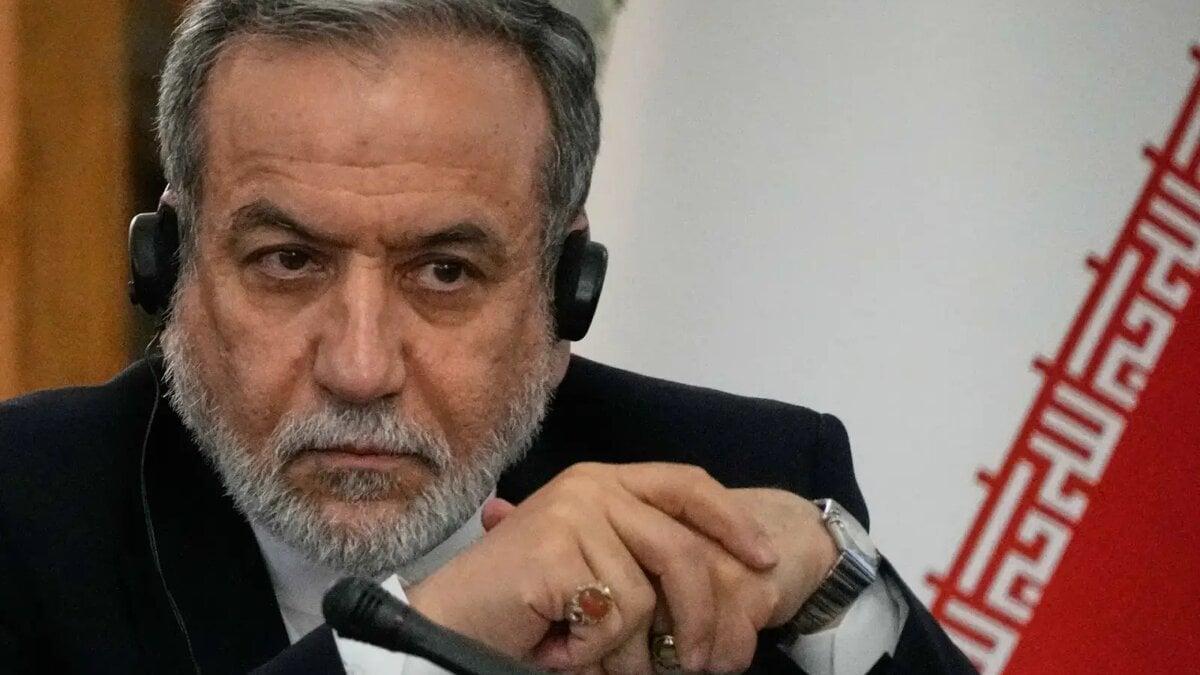
Iranian Foreign Minister Abbas Araghchi warned on Sunday, November 8, that Tehran will "rain down hell" if the United States resumes attacks, in a bid to end the two countries' eight-month war. Iran threatens rain hell on American forces while keeping a two-day offer on the table.
"Our 2-day proposal stands: meet the requirements, including end to war on all fronts, and you will see results," Araghchi wrote on X. "Or choose war, and see our alert and battle-hardened warriors rain down hell."
He also urged Washington to heed American voters. "American voters have made their choice. Time for the White House to make its own," he wrote.
Trump: strikes unlikely if talks advance
US President Donald Trump said renewed strikes on Iran are "highly unlikely" if negotiations progress over Tehran's nuclear programme and the reopening of the Strait of Hormuz. "It depends on whether or not they sign a very strong agreement," he said in a phone interview.
He did not rule out more action. "I would [continue], if necessary, but we hit them really hard," Trump said.
Trump said three US aircraft carriers are in the region, "fully locked and loaded". He added that the US has 38 bridges in Iran's crosshairs that US forces "can knock down in literally one hour".
Iranian military echoes the warning
Iran's Foreign Ministry quoted Araghchi in an earlier statement saying Iran would "not go easy on American targets" in the region. Brigadier General Ali Belali, an adviser to the commander of the Islamic Revolutionary Guard Corps' Aerospace Force, said weapons have been "secured for years to come".
"The armed forces are at the ready, and if the enemy makes a mistake, Iran's response will be devastating and severe," Belali said on Telegram.
Araghchi's remarks followed a report by Iranian state media, citing the navy, that an oil tanker caught fire after hitting a naval mine east of the Strait of Hormuz. The navy said the ship's identification systems were off and that it was in a no-go zone of the strait.
What Iran is offering
The two-day proposal is an Iranian plan to reopen the Strait of Hormuz to commercial shipping within two days of the US accepting key conditions. They include lifting Washington's blockade on Iranian ports, a ceasefire on all fronts and unfreezing Iranian assets abroad.
Iran first offered to reopen the strait within a week. Foreign Ministry spokesman Esmaeil Baghaei said it shortened the timeline as an apparent "indication of Iran's good-faith approach". Qatar mediated both proposals.
The exchange comes after US midterm elections in which Democrats won control of both chambers of Congress. Exit polling showed 74% of voters called the hostilities a major or crucial factor in their vote, and 63% said the US made the wrong decision in taking military action against Iran.
Vice President JD Vance has argued the war was the key factor in Republican losses. He recently sent Iran's leadership a letter outlining a possible path to peace.
Araghchi said the elections delayed negotiations, according to Iranian state media. "It will take some time for things to settle down and for the atmosphere to become conducive to the mediators resuming their visits," he said. "We have to wait."