ASIC Review: Telemarketers Pushed $678 Million Switch From Super Funds
Australia's corporate regulator says unlicensed telemarketers pushed people to move about $678 million, mostly retirement savings, into riskier schemes. ASIC's review of 15 licensees found weak oversight and warned that lead-generation practices put advisers at risk of breaking the law.
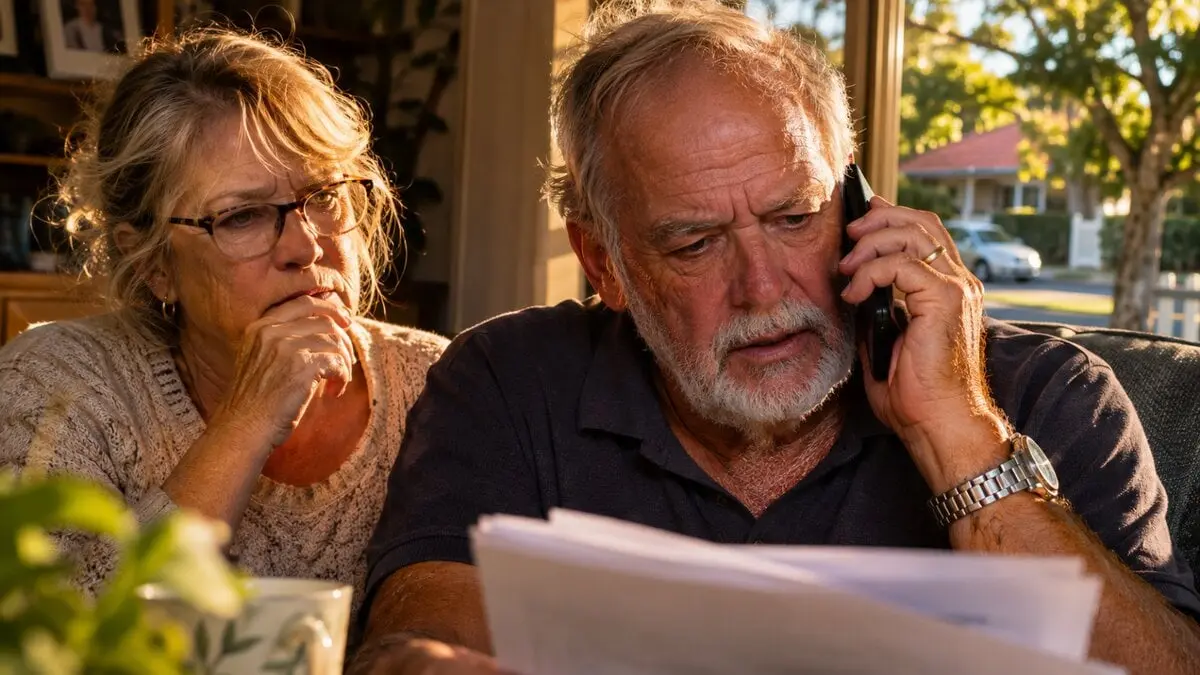
The Australian Securities and Investments Commission (ASIC) said on November 9, 2026 that telemarketers urged Australians to switch about $678 million of investments, mostly superannuation savings, into riskier schemes over 17 months. The review exposes questionable sales tactics prompting people to move their retirement money. Superannuation is Australia's compulsory retirement savings system.
The regulator examined 15 financial services licensees operating between January 2025 and June 2026. They used telemarketers, known as lead generators, to find consumers through social media ads and phone calls and introduce them to licensed advisers.
Those licensees obtained about 7,639 new clients this way, roughly 35 per cent of their total new clients. About 90 per cent of the $678 million came from superannuation accounts, which is roughly $610 million.
Fees and findings
Licensees deducted $9.8 million in upfront advice fees. Clients agreed to a further $4.5 million in annual ongoing fees.
Only a licensed financial adviser can give investment advice under Australian law. ASIC found the lead generators went beyond simple referrals. They qualified leads, set appointments, gathered client details, researched products and discussed investment performance or advice recommendations. In one case, a lead generator helped carry out the advice.
Some used potentially misleading statements, fear-based claims and performance comparisons that were not like for like, ASIC said.
Five licensees had no controls or standards that prohibited, or were likely to identify, high-risk super switching by their authorised representatives. Four more ran businesses with some features of it.
Regulator's warning
ASIC commissioner Alan Kirkland said lead generators use "slick sales tactics to convince people to switch their super". He said this "can expose Australians to serious financial harm".
The regulator said involving lead generation in advice was likely to be "inconsistent with the obligations that apply to financial advisers". Such activity, it said, puts advisers and licence holders "at risk of breaking the law".
ASIC pointed to the collapses of Shield and First Guardian, which left almost 12,000 investors losing over $1 billion of retirement savings. It said they show the impact when providers fail to act in investors' best interests.
The ads often question a fund's performance. One Queensland woman recalled a Facebook ad saying "nine out of 10 super funds are underperforming". After repeated calls, she moved her money and later lost $165,000 in the Shield Master Fund collapse.
Perth father Richard Orr, 54, said: "I wasn't looking for anything risky, I said I just wanted something safe." He lost more than $200,000 in the First Guardian collapse. He is awaiting the outcome of a compensation claim.
Earlier this year, Assistant Treasurer Daniel Mulino announced a ban on unlicensed telemarketers who cold call people to persuade them to switch their super.