Poland Under Disinformation Attack After Kraków Shooting
Poland's digital affairs ministry and the NASK research institute say a wave of false claims followed the November 7 Kraków shooting. More than 2,000 accounts were flagged, and related posts peaked at over 200 million views before declining as official information emerged.
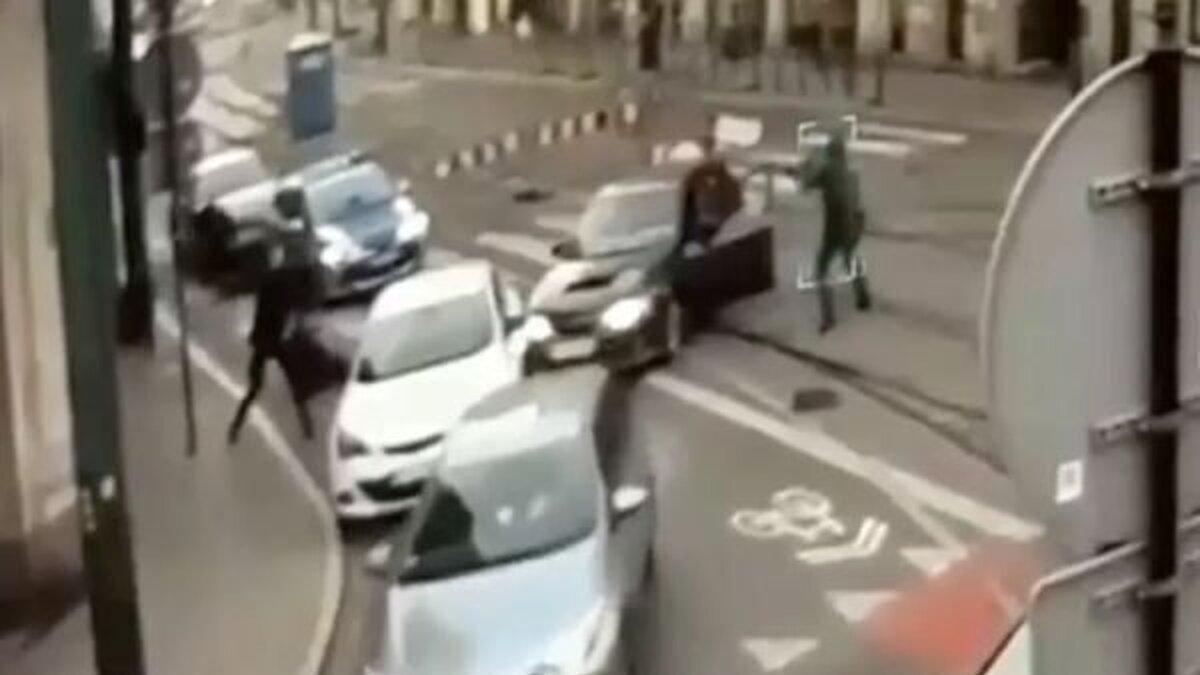
Poland is facing a wave of online disinformation after the November 7 shooting in Kraków, with the NASK Disinformation Analysis Centre flagging more than 2,000 social media accounts for moderation. Poland under disinformation attack is how officials describe a campaign that, they say, tries to hide the suspect's far-right links.
NASK is a Polish research institute. It said many of the accounts were automated bots posting in Polish, English, French and Dutch. Some were tied to Russia through Cyrillic characters or direct references to the Russian Federation.
Mentions of disinformation peaked at about 6:00 PM on Saturday, November 7, and passed 200 million views before falling. The topic picked up again the next morning.
What happened in Kraków
Police said a man drove onto Kraków's Main Market Square at about 3 pm on Saturday and began firing at random people from his car. Early figures put the toll at at least six dead and 15 wounded, including police officers and foreign nationals.
Officers shot and detained him. Interior Minister Marcin Kierwiński said the suspect, a Polish citizen, appeared to be "fascinated by far-right ideologies" and held "ultra-nationalist views".
Prime Minister Donald Tusk called it terrorism. "Until now in Poland, we haven't had such drastic cases of terrorism," he said. He announced two days of national mourning.
The false narratives
According to NASK, the main false stories targeted the Polish government, the European Union and Ukraine. One claimed the government staged the attack with EU involvement. NASK called that narrative absurd but said it still gained significant traction.
Other posts tried to cast the attacker, identified as 25-year-old Michał O., as an LGBTQ+ person, a far-left militant or someone of Ukrainian descent. Far-right figures in Poland and abroad have amplified such claims, according to the analysis.
Well-known far-right figures have also accused ministers of spreading false information after Kierwiński used the word "ultranationalist".
Krzysztof Gawkowski, Deputy Prime Minister and Minister of Digital Affairs, wrote on X on November 8 that the country was confronting "a significant wave of disinformation". He added: "We are observing a marked increase in the circulation of false and unverified information."
Government response
Gawkowski convened an emergency meeting on the evening of November 7. Deputy ministers Dariusz Standerski and Paweł Olszewski attended, along with a team from the Centre for Countering Disinformation.
The team is monitoring the information space. It reports each false message to platforms through rapid-response contact channels.
NASK said the early narratives are fading as public institutions release verified information. New false claims keep appearing, but they now mostly come from users with limited reach and draw less engagement. Prosecutors have opened an investigation into the attack.