New Zealand Election: No Clear Winner as Talks Set for Nov. 27
New Zealand's election left neither Christopher Luxon's National party nor Chris Hipkins' Labour with a clear majority. Final results are due November 27, after nearly 400,000 special votes are counted, and the new Opportunity party holds seven seats and possible leverage.
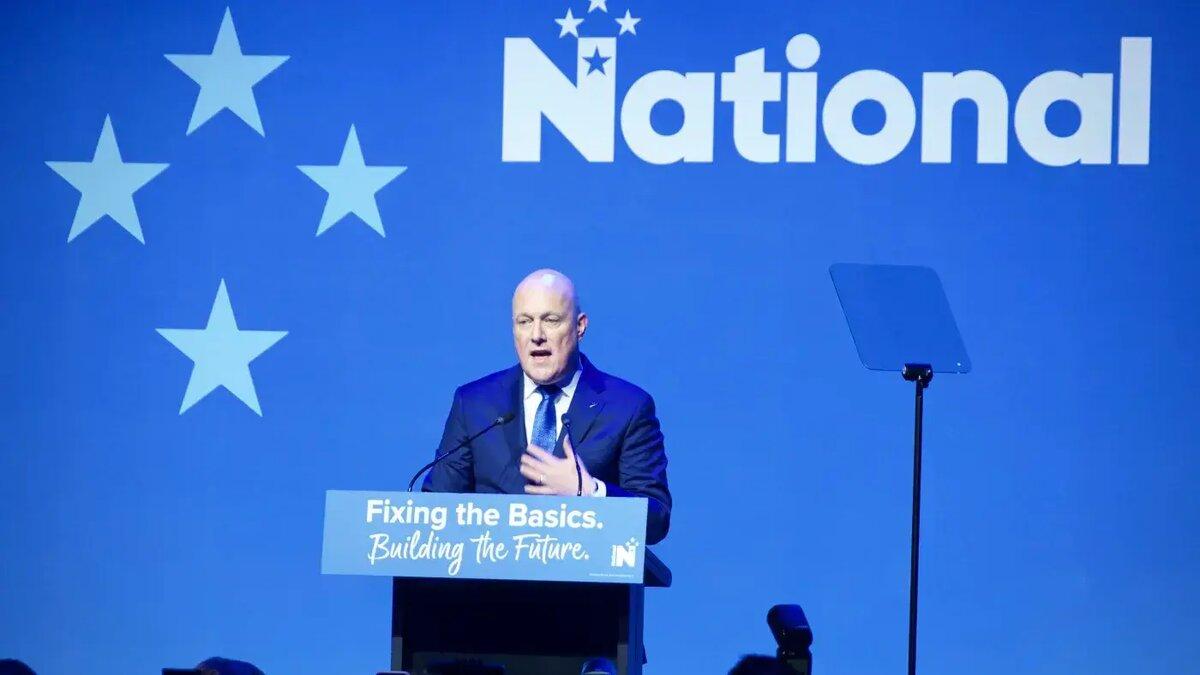
New Zealand's general election on Saturday, November 7, 2026, produced no clear winner, leaving the country to wait until final results on November 27 to learn who will govern. Neither Prime Minister Christopher Luxon's center-right National party nor Labour, led by Chris Hipkins, secured a decisive win.
It was the tightest vote in years. Voters turned away from the two major parties in record numbers and backed minor parties on both flanks.
With 2.8 million ballots counted on election night, Luxon's National-led government appeared close to the slimmest possible return to power, by just one seat. Luxon did not claim victory. He struck a note of cautious optimism that he could negotiate a second term.
The left-wing bloc appeared to fall short of a majority but remains hopeful. That prospect looks more remote.
The Opportunity party's seven seats
The surprise of the night was Opportunity, a centrist party unaligned with either bloc. It won seven seats on Saturday's numbers, after three failed attempts to enter Parliament. Its leader, 38-year-old business consultant and political newcomer Qiulae Wong, took the job less than a year ago.
Wong has said she could work with either side to form a government. Her pledges include evidence-based centrism and an end to partisan bickering. "You have voted to change New Zealand politics for good," she told supporters on election night.
The Greens on the left and the libertarian Act party on the right also reached new highs. Minor parties would enter coalition talks with leverage to extract deeper policy concessions from a weakened National or Labour.
Special votes and the road to November 27
Electoral officials began counting nearly 400,000 special votes on Sunday. They include ballots from New Zealanders living abroad, and the count is expected to take three weeks.
Those ballots have historically added a seat or two for left-wing parties. That could take the razor-thin majority from the right, though the left would likely still struggle to assemble a majority of its own. If no government can be formed, New Zealand could face a fresh vote.
Parties will not begin negotiating until the final tallies, due November 27, confirm their exact seat numbers. On Sunday, "who won the election 2026" was the top trending Google search in New Zealand.
Luxon will lead a caretaker government until there is an outcome. He blamed public dissatisfaction on global shocks hitting New Zealand's trade-based economy, and noted that other incumbent governments worldwide have faced anger over living costs.
"I think everyone's over politics so let's all have a bit of a break for the next three weeks," Luxon told reporters on Sunday.
A gloomy electorate
Hipkins was voted out of office in 2023 largely over discontent about the same economic issues, and he did not appear to benefit on Saturday.
Polling shows a low national mood. A recent study found more than half the country no longer sees New Zealand as a land of opportunity. Unemployment is at an 11-year high and rising. Among those under 24, one in three either cannot get enough work or has none at all.
Household electricity bills have also jumped sharply. "It's pretty flat," 21-year-old Wellington voter Imogen Vlutger said of the mood on election day. "There's this kind of apathy and a bit of dread."