Tessera Subsidiary Zorronet Expands EU Drone-Security Push
Tessera Defense and Homeland Security said on November 9, 2026 that its Israeli subsidiary Zorronet has widened its partnership with Czech firm D4P group. The deal now covers AI-based drone detection and critical infrastructure protection across the European Union, beyond farming and transport.
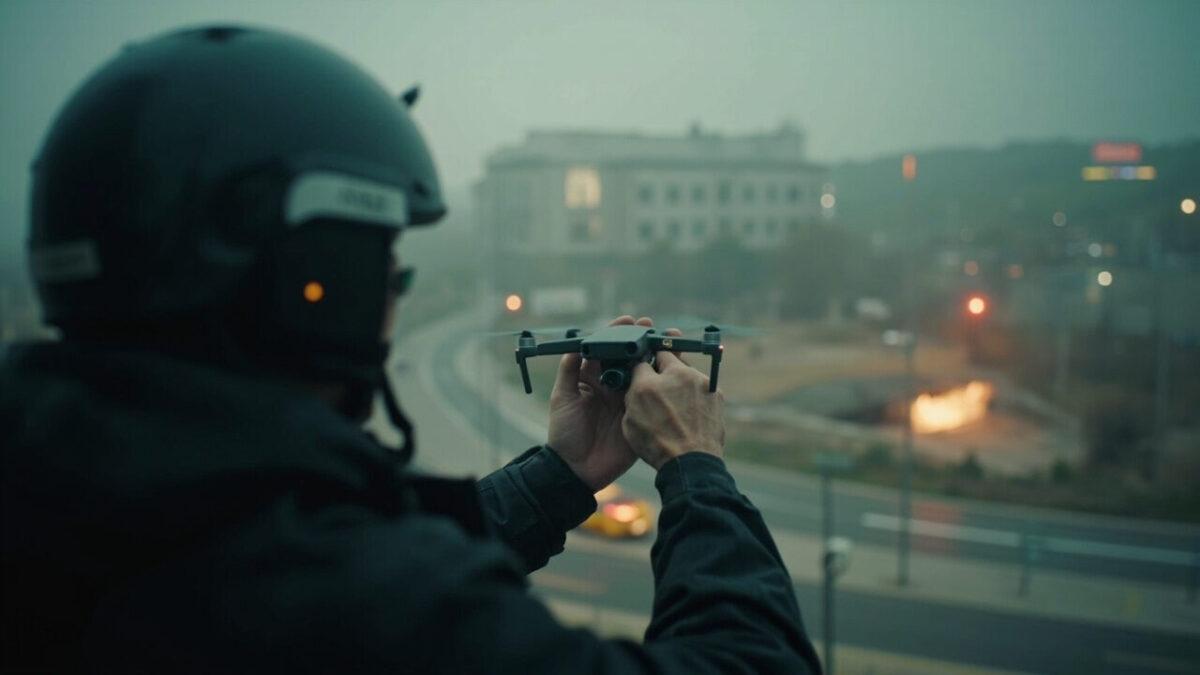
Tessera Defense and Homeland Security Inc. (NYSE American: HLSQ) said on November 9, 2026 that its wholly owned subsidiary Zorronet Ltd. has expanded its collaboration with Czech company D4P group s.r.o. into homeland security and critical infrastructure protection across the European Union. Tessera announced the move from Netanya, Israel, and said the focus is countering threats from unmanned aerial vehicles, or drones.
D4P is a subsidiary of Samura s.r.o., a Czech company that distributes and commercializes advanced technologies across Central and Eastern Europe. The two firms first teamed up in July 2026.
From farms and railways to security
That first phase centered on AI vision for agricultural pest management and on protecting transport infrastructure from wildlife and trespassers. D4P has since received preliminary interest in AI-powered security from Czech airports, the national power utility and operators of strategic plants, Tessera said.
Under the expanded deal, Zorronet will supply an operational intelligence system. It uses AI, machine learning and vision language models to combine data from cameras, radars and other sensors. Tessera says it cuts false alarms and automates responses.
The company says operators can use the software on top of existing security equipment, without replacing whole systems. D4P will lead business development, sales and customer engagement in the territory, and will handle local implementation and support.
Railways and emergency services
Tessera pointed to Zorronet's work with Israel Railways as a base for rail projects. The companies are exploring AI hazard detection and real-time alerts, plus station security, early threat detection and coordinated incident response.
The company said the Czech and Slovak railway networks together are about six times larger than the Israel Railways network. It presented that as proof the system can scale.
Tessera cited figures from European Union railway safety authorities: about 1,500 significant railway accidents in 2024, with 750 people killed and 548 seriously injured. It put EU-wide accident costs at about €3.5 billion, based on the most recent figures.
D4P has also identified possible opportunities with police and fire departments in the region. Tessera said Zorronet's platform could give their command centers a single real-time operational view.
Policy backdrop
Tessera tied the expansion to rising European concern over physical, cyber and hybrid threats to essential infrastructure. It noted that the European Commission issued new guidance on critical infrastructure resilience in July 2026, stressing prevention, physical protection and coordinated response.
The company also cited the EU's Critical Entities Resilience Directive, which sets a framework for strengthening resilience in sectors such as energy and transportation. It said military sites, airports and energy facilities face growing challenges from unauthorized drone activity.