EU Pushes Faster Global Climate Action as COP31 Opens in Antalya
The European Union is using the COP31 climate summit in Antalya, Türkiye, running November 9 to 20, 2026, to press for faster clean energy adoption, climate adaptation indicators and more finance for vulnerable countries. Ursula von der Leyen speaks on November 11.
The European Union will push faster global action on climate change at the COP31 United Nations climate conference, which opened on November 9, 2026, in Antalya, Türkiye. The talks run until November 20.
World leaders, governments and climate organisations are meeting to discuss cutting greenhouse gas emissions and delivering on the goals of the Paris Agreement. The EU says rising costs, energy security worries and extreme weather make a faster shift to clean energy more urgent.
European Commission President Ursula von der Leyen will attend the leaders' summit on November 11. She will set out Europe's climate priorities and commitments. Other senior EU commissioners will join discussions on energy, water resilience, ocean protection and plastic pollution.
EU priorities
The EU wants countries to expand wind and solar power while moving away from fossil fuels. It will also promote clean electrification and investment in new technologies.
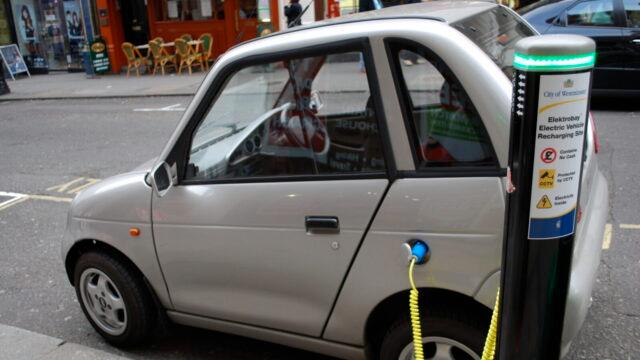
Through its Electrify Now campaign, launched earlier this year with international partners, the European Commission is urging governments and businesses to speed up the switch to cleaner energy. The EU will keep backing carbon pricing as well.
Climate adaptation is the second major focus. The EU will work with partners to strengthen resilience in vulnerable regions and will support international adaptation indicators, which help countries measure progress and spot gaps.
On money, the EU and its Member States provided €32.3 billion in public climate finance in 2025 and helped mobilize a further €9.3 billion in private investment. At COP31 the EU will seek more international cooperation on climate finance, with particular attention to Least Developed Countries and Small Island Developing States.
The bloc will host a pavilion with almost 40 side events showcasing its climate initiatives, clean technologies and environmental policies.
Who runs the talks
Türkiye holds the COP31 presidency and hosts the summit. Australia will steer the negotiations, an unprecedented arrangement reached after both nations bid to host.
The conference is due to end with a consensus-based package of decisions on climate action, alongside a parallel agenda of voluntary commitments from companies, cities, banks and others.
Electrification is expected to dominate. Türkiye is asking countries to commit to a "35-by-35" target: raising electricity's share of global energy demand to 35 per cent by 2035, up from around 20 per cent.
Climate Action Tracker, an independent monitoring group, found that governments must electrify four times faster to meet that goal. "Current policies deliver only 28 per cent by 2035," its report says.
Samuel Guéret, a Climate Action Tracker analyst with Climate Analytics, warned that countries could hit the target by adding fossil fuels to electricity systems. "Electrification only limits overshoot if the electricity is cleanly generated," he said.
The transition away from fossil fuels will not appear on the formal negotiated agenda at COP31, though it is already a flashpoint ahead of the talks.