South Africa’s Western Cape Faces Driest July in Decades as El Niño Threat Looms
Cape Town and surrounding areas are bracing for a potentially brutal summer. The southwestern region of South Africa's Western Cape just recorded its lowest ...
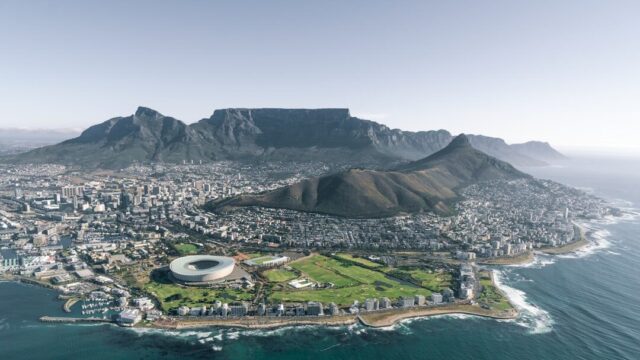
Cape Town and surrounding areas are bracing for a potentially brutal summer. The southwestern region of South Africa's Western Cape just recorded its lowest rainfall in living memory during July—a stark warning sign as a powerful El Niño system builds across the Pacific.
The numbers tell a grim story. Cape Town International Airport received just 14.4mm of rain last month, shattering the previous July record of 18mm from 1987 and marking the driest July since measurements began in 1958. That's roughly 16% of what typically falls there during the winter month. Other monitoring stations across the region reported similarly alarming figures: SA Observatory logged 15.6mm (its lowest in 91 years), Hermanus saw 12mm (lowest in two decades), and Malmesbury recorded a mere 3.2mm.
A Weather System Gone Wrong
Winter is supposed to be the wet season in southwestern South Africa. June, July, and August normally deliver most of the region's annual rainfall. Not this year. A stubborn Atlantic high-pressure system parked itself west of the country and shoved cold fronts far enough south that they delivered almost nothing to the province. Only three weak weather systems managed to reach land during July, leaving vast stretches of the region gasping for moisture.
The South African Weather Service flagged the trend early in the month. "Below-normal rainfall was observed in June and persisted into July," the agency said on July 31, noting that several areas had hit their lowest-on-record totals. While earlier severe weather in May and June had temporarily replenished water supplies, that benefit evaporated as the dry pattern took hold.
What Comes Next
Forecasters are now watching the calendar with genuine concern. A strengthening El Niño could push temperatures higher than normal across southern Africa throughout the coming summer months—precisely when residents would normally expect cooler, wetter conditions to refill reservoirs and groundwater. The convergence of a developing El Niño and already-depleted water stores spells potential trouble.
Senior forecaster Wayne Venter warned residents to conserve water. "Use water sparingly," officials urged, acknowledging that if dry conditions persist into early August, the southwestern region could face a supply squeeze heading into the hottest months of the year.