Oil 1% Iran Nuclear Standoff Lifts Brent to $92.81
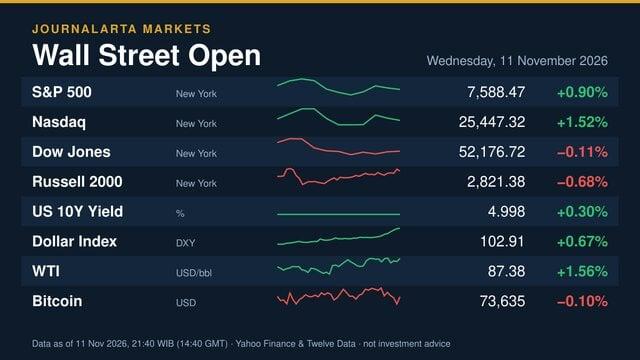
Oil prices rose about 1% after Iran’s security chief said the country would not allow enriched nuclear material to leave. Brent reached $92.81 a barrel and U.S. crude rose to $87.12, as uncertainty over diplomacy and attacks on Gulf shipping supported prices.

Oil rose about 1% on Wednesday after Iran’s security chief said Tehran would not allow enriched nuclear material to leave the country, complicating efforts to include nuclear issues in initial negotiations to end the US-Israeli war on Iran.
Brent futures gained $1.32, or 1.4%, to $92.81 a barrel, while US West Texas Intermediate crude added $1.08, or 1.3%, to $87.12 at 1314 GMT.
The gains followed a drop to two-month lows in the previous session. Prices first fell by more than $3 a barrel after US officials played down the need for further military strikes against Iran, then recovered some ground after an Iranian security official said the two sides were not holding talks.
Shipping risks remain in focus
Attacks on shipping in the Strait of Hormuz have added to concerns about whether diplomacy can ease risks to oil flows. Thirty-seven ships were attacked in October, the highest monthly total since the war began, according to data from the Washington Institute for Near East Policy.
“Oil prices are being supported by fading hopes of an imminent de-escalation,” UBS analyst Giovanni Staunovo said.
June Goh, a senior analyst at Sparta Commodities, said vessel attacks in Gulf shipping lanes had increased amid uncertainty over diplomacy. She said the key market question was whether Iran would accept US demands for a diplomatic agreement.
A tanker was struck northeast of Lima in Oman, the United Kingdom Maritime Trade Operations agency said on Tuesday. Iran’s Revolutionary Guards Navy said separately that two tankers caught fire after hitting naval mines on what it called an “unauthorized route” in the strait.
Even if a deal is reached, increased traffic through the waterway would depend on clearing mines, insurance costs and shipowners’ willingness to take the risk, LSEG Oil Research said in a November 10 note.
Supply data and other disruptions
Brent and WTI have fallen about 21% and 17%, respectively, since the start of the month, as hopes grew for an end to the war.
US crude stocks rose by 9 million barrels in the latest week, market sources said, citing American Petroleum Institute data. Official inventory figures were due later on Wednesday.
Separately, a regional governor said a drone attack caused a fire in the port area of Ust-Luga on Russia’s Baltic coast and injured three workers. Russian oil refining capacity has fallen about 30% since late October after renewed Ukrainian drone attacks, industry sources said.
Russian and Ukrainian officials met in Abu Dhabi on Tuesday for their first peace talks since February, as envoys for US President Donald Trump began a new effort to end the war.