Nissan Cuts Petrol Car Output in China as EV Sales Surge
Nissan has cut its 2026 sales forecast to between 2.97m and 3m cars and will build fewer petrol cars in China, where electric and hybrid sales are climbing fast amid a price war. Chief executive Ivan Espinosa called the market "very, very harsh."
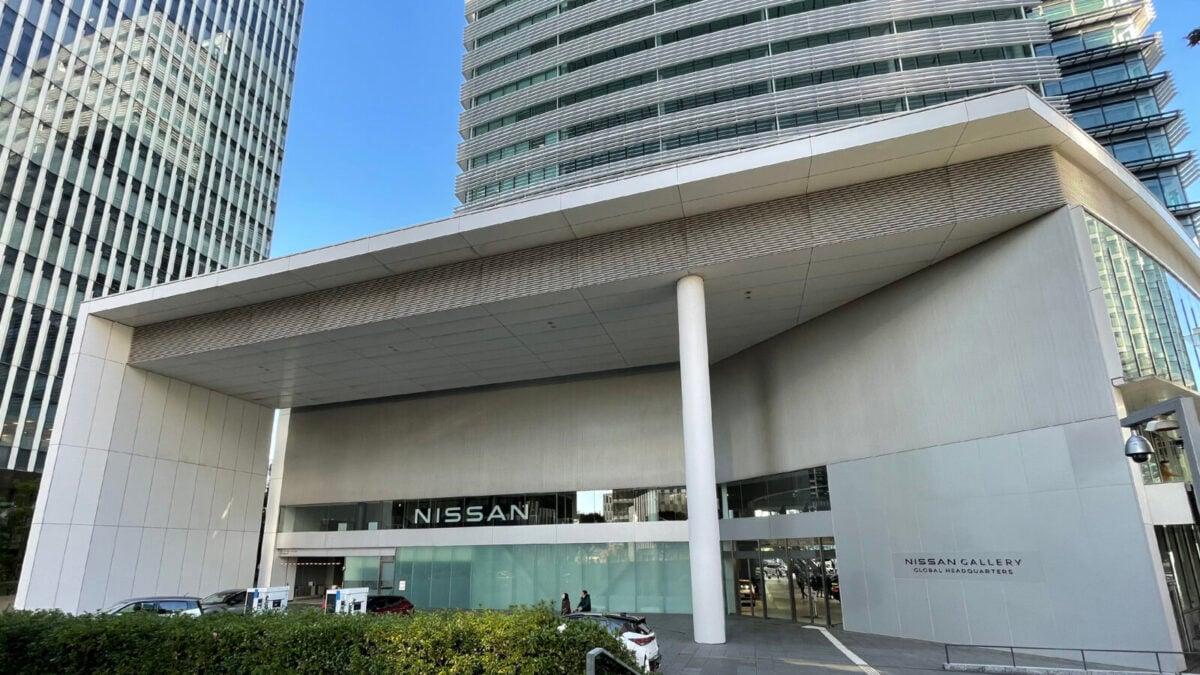
Japanese carmaker Nissan said on November 11, 2026, that it was caught out by accelerating sales of electric and hybrid cars in China, and will cut petrol car production there while building more ev auto models.
The company lowered its sales forecast for the year to between 2.97m and 3m cars, down from 3.15m. It blamed mainly its struggles in China, the world's biggest car market, where a brutal price war is under way.
Nissan will increase output of battery electric vehicles and plug-in hybrids, which pair a smaller battery with a petrol engine.
"China remains our biggest challenge," said Ivan Espinosa, Nissan's chief executive. "Demand is weaker, competition is intensifying, and the shift to new energy vehicles is happening faster than expected. The market is being very, very harsh."
Sales down 32% in nine months
Nissan said sales across China fell by 22% in the first half of the year. The pressure "intensified from July through October," and sales were down 32% over the first nine months.
Espinosa said the lineup in China, led by the Sylphy family of saloon cars, is too closely tied to petrol engines. Nissan is cutting local production and exporting some of those models. It is also trying to ramp up its N series, which are electric or plug-in hybrid.
China's government gave heavy subsidies to its electric car industry. That produced a huge number of Chinese EV makers, which are now chasing a shrinking market.
A split between regions
Nissan reported higher sales in Japan and North America. The shift to electric cars is much slower in those regions, partly because of policy decisions, including US President Donald Trump's removal of incentives for battery car makers.
That gap shows the dilemma for global carmakers. Many want to keep selling more profitable petrol and diesel cars as long as possible, while risking being left behind by newer Chinese rivals.
In Europe, Nissan has been among the manufacturers slowing the move to batteries. In the UK, it has lobbied to weaken the zero-emission vehicle mandate, a target for raising EV sales, and to keep selling petrol cars after 2035.
UK demand for electric cars is rising, particularly since the Iran war pushed up petrol and diesel prices. Ian Plummer, chief customer officer at the car sales website Autotrader, said retail sales of used electric vehicles were "up an eye-popping 56% year on year in October" and now make up one in 10 retail sales on Autotrader.
Nissan's only European factory is in Sunderland, in northern England. Espinosa said he hoped cars built in Sunderland and Japan would be covered by proposed "Made in Europe" rules from the EU. As drafted, the rules would exclude all of Nissan's cars from subsidies and other incentives within the EU.