HDFC Bank Lags Nifty 50 as Investors Weigh Buying the Dip
HDFC Bank, India's largest private sector bank by assets, has underperformed the Nifty 50 over the past year. Investors thinking about buying the dip are weighing a new CEO, margin pressure and strong asset quality, according to a November 12, 2026 market analysis.
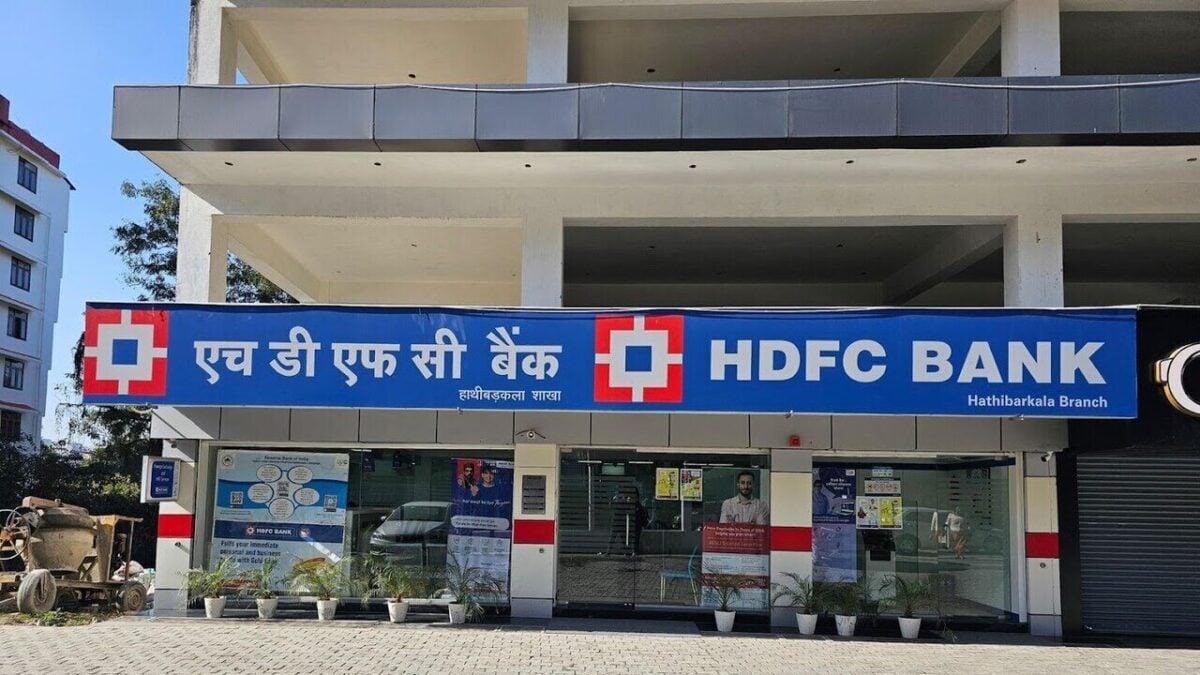
HDFC Bank, India's largest private sector bank by assets, has underperformed the Nifty 50 index over the past year, leaving some investors thinking about buying the dip in HDFC Bank, according to a market analysis published November 12, 2026.
Why the stock has lagged
The analysis points to worries about slower growth and pressure on the bank's net interest margin, or NIM. That is the gap between what a bank earns on loans and pays on deposits.
Those worries are tied to the integration of HDFC Ltd into the bank. Management has made progress in easing them, the analysis said.
A third concern is size. The bank is growing more slowly than it did in the past, because it is now so large.
New chief executive
Anup Bagchi took over as CEO and managing director from Sashidhar Jagdishan on October 27. Leadership questions had weighed on the shares, and the analysis said the market may turn more bullish now that the handover is done.
That depends partly on the next quarterly results. A repeat of the disappointment in the second quarter of fiscal 2026 (Q2FY26) would work against it.
Scale and balance sheet
After the 2023 merger with HDFC Ltd, the combined bank became the world's seventh-most valuable, with about 120 million customers and more than 177,000 employees. As of September 30, 2026, it had 9,706 branches, 20,881 ATMs in 4,177 cities and towns, and 14,365 business correspondents.
The bank was founded in Mumbai in August 1994. It also operates branches in Hong Kong, Bahrain and Dubai, plus a banking unit in GIFT City, Gujarat.
Over two decades it has delivered a 20% compound annual growth rate, the analysis said. Net profit has grown at a 19% rate over the past five years, and return on equity has averaged 14.7%.
Asset quality
In Q2FY26, net non-performing assets (loans unlikely to be repaid) stood at 0.37% of total advances. The gross ratio was 1.11%. The bank's net ratio has never crossed 0.5%.
Its total capital adequacy ratio, a buffer against losses, was 18.87%, against a regulatory requirement of 11.9%. The tier-1 ratio was a little over 17%.
The share of low-cost current and savings deposits, known as CASA, is still below pre-merger levels. Management said deposit quality is improving, which should gradually bring funding costs down.