British Salmon Loses Organic Label Over Welfare, Environment
The Soil Association has withdrawn its organic certification from farmed salmon after 20 years, saying welfare and environmental results fell short. The decision hits a British industry worth £1bn a year, which produces about 205,000 tonnes of fish annually.
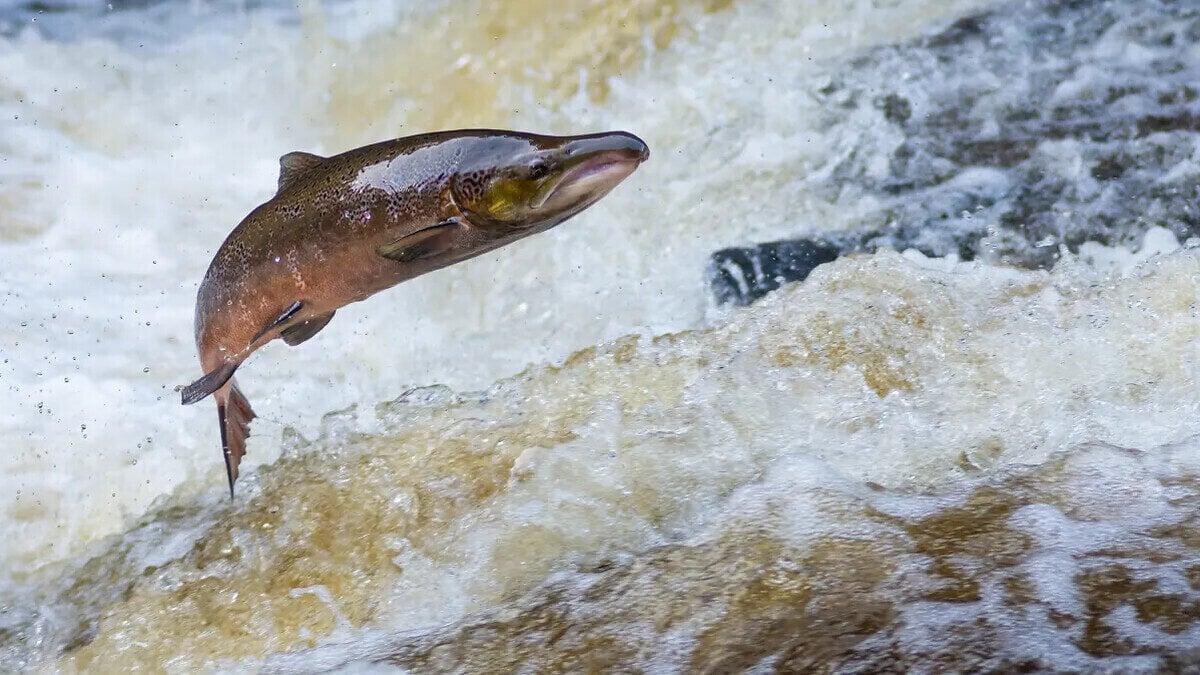
The Soil Association, the UK accreditation body, withdrew its organic certification from farmed salmon this week after 20 years, ending what critics call an environmental welfare disaster in British fish farming. The group said an extensive review found the industry was not meeting its "high bar".
It also said there was a lack of evidence that outcomes could improve fast enough.
What the Soil Association said
Helen Browning, the association's chief executive, said the group began working on salmon with a clear aim. "When we started working on salmon 20 years ago, we had an aspiration for an aquaculture system that could deliver the principles of organic production in the sea," she said.
She said that aim has not been met. "Progress along these lines has been negligible … the evidence suggests that welfare and environmental outcomes are not sufficient for us to continue."
A £1bn industry
British farmed salmon is now worth £1bn a year. The industry produces about 205,000 tonnes of fish annually and employs 2,500 people in Scotland.
British families eat 65,000 tonnes of salmon each year, and it ranks as their most popular fish. Many buyers do not realize the pale fish with white fat lines comes from highly intensified industrial farming, not the open ocean.
The industry began modestly. Unilever, the multinational that pioneered salmon farming, harvested 14 tonnes near Fort William, on Scotland's west coast, in 1971. By 1976 it ran three Scottish sites producing 116 tonnes of fish a year.
Criticism of farming practices
Farmed salmon spend their early life in freshwater hatcheries and tanks. At 12 to 18 months they move to sea cages, where they are fed fishmeal pellets and treated with drugs to prevent disease.
Footage has emerged showing farmed salmon covered in blisters and sores, some with their heads missing, because of sea lice infestations linked to high stocking densities. Critics also point to chemical treatments for the lice, high mortality rates, and pollution and disease reaching wild salmon and coastal waters.
Numbers of wild Atlantic salmon off British shores have fallen by more than 70% since salmon farming was introduced.
Chris Packham, the naturalist and broadcaster, says the industry is catastrophic for fish welfare and the environment. More than 120 chefs from 26 countries have signed an open letter, organized by the charity WildFish, pledging to keep ocean-farmed salmon off their menus unless farming practices change.
WildFish argues that salmon farming is antithetical to organic principles, citing harsh chemical pesticides and treatments such as formaldehyde.