Jensen Huang Quits Nvidia as Congress Seeks Closed-Door Interviews
Jensen Huang resigned as Nvidia's CEO on Friday after a week of reports about an alleged espionage plot and affairs. Three House committees want interviews on December 1 and 2, and Commerce Secretary Howard Lutnick has also been called to testify.
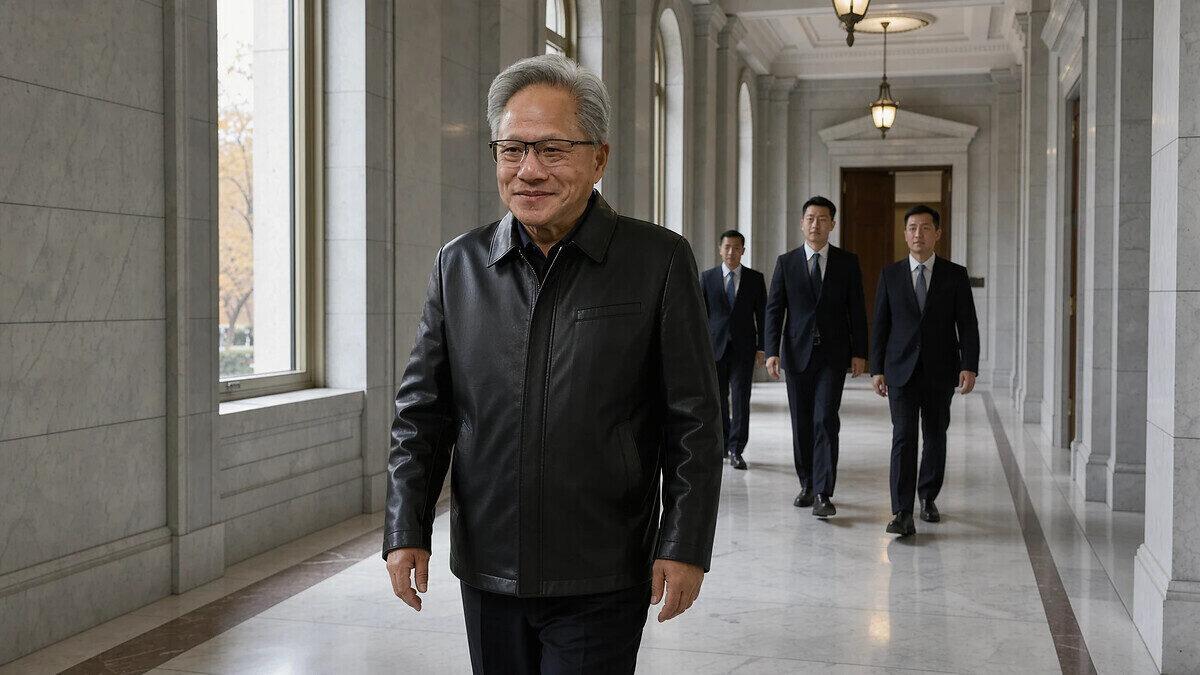
Jensen Huang resigned as chief executive of Nvidia on Friday after almost a week of reports about an alleged espionage plot and extramarital affairs, and three US House committees now want him to give closed-door interviews on December 1 and 2. Many questions are left to answer in the wake of his departure, including what it means for national security and what President Donald Trump knew.
The controversy centred on Huang's relationship with Alice Huang, whom US intelligence reportedly suspects of being a Chinese spy. Claims then emerged that he had two other extramarital affairs, both with Nvidia employees.
Senator Tim Scott repeated demands for Huang to face Congress after the resignation. He said there were "serious concerns" to address.
Congress demands interviews
The chairs of the House foreign affairs panel, the China select committee and the intelligence committee wrote to Huang and Nvidia general counsel Tim Teter. They require both men to appear for closed-door transcribed interviews.
"There are clear national security concerns that need to be addressed immediately," the three chairs wrote.
Huang and Teter have not publicly commented on the requests. They could face subpoenas to compel their appearances.
Huang has also not responded publicly to the reports of the two further affairs. His last statement came on Sunday, local time. He admitted being "unfaithful" to his wife of over 40 years but did not name who he had been intimate with, and said he was "committed to protecting Nvidia and supporting America's national security".
Separately, Nvidia and Huang face a proposed class action accusing them of defrauding shareholders.
Pressure on the Commerce Department
Commerce Secretary Howard Lutnick has been called on to testify in Congress over concerns that he did not do enough to restrict AI chip shipments to China. Under-Secretary of Commerce Jeffrey Kessler has been called to a hearing on December 3.
In December 2025, Trump allowed Nvidia to sell its advanced chips to China in exchange for a cut of the sales. Huang had argued that restrictions only accelerated Beijing's own AI development. Members of both sides of Congress had raised concerns about China's access to the technology.
Lutnick has also been criticised over the administration's refusal to add dozens of Chinese companies to a trade blacklist. The US has not added to the list since October 2025, the longest stretch between new postings in more than a decade. The Commerce Department did not respond to a request for comment.
"Secretary Howard Lutnick and Under-Secretary Jeffrey Kessler must explain why they have not closed export control loopholes and act today to ensure our advanced technology is not fuelling China's military," a statement on the issue said.
Close ties to Trump
Huang had become a close ally of Trump and was one of the few people known to have a direct line to him. He has visited the White House at least five times during Trump's second term and is part of a council advising the president on science and technology. He also accompanied Trump on a trip to Beijing in May.
Nvidia reportedly committed $US25 million ($36.7 million) to Trump's White House ballroom project in mid-October. The president also disclosed buying and selling Nvidia stock earlier this year.