22% Men Think They Can Beat a Chimp. Here’s the Strength Data
YouGov surveys found 22% of US men and 15% of British men think they could beat a chimpanzee in a fight. Primate strength figures, from gorillas to capuchins, suggest that confidence is misplaced, though humans do win at throwing.
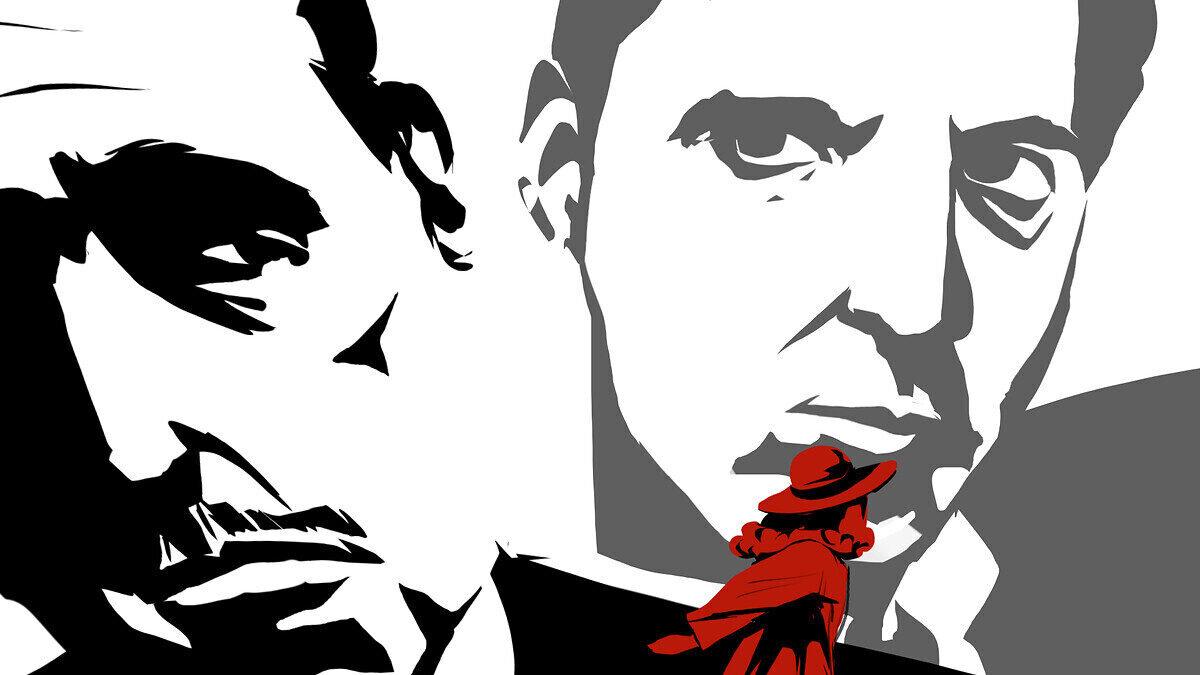
YouGov surveys show that 22% of US men think they could beat a chimpanzee in a fight, along with 15% of British men. Wildlife researchers say the strength figures for primates point the other way.
Why chimps win on power
Chimps are smaller than gorillas. The reigning World's Strongest Man, Rayno Nel, is twice the weight of the largest wild male chimps.
But most men are no Rayno Nel. Chimp muscles produce about 35 per cent more power per kilogram than human muscles do.
Experiments in the 1940s found that captive male chimps could pull on a rope with about the same force as human males. Wild chimps are likely to be stronger still, and they would not follow any rules.
Gorillas are in another league
The heaviest living primates are gorillas. The biggest silverbacks are about 50 per cent heavier than Nel, who weighs 148kg.
Reach matters too. A human's arm span roughly equals their height, while a gorilla's can stretch up to 2.7m. That gap is why arm span is nicknamed the ape index: a gorilla could land blows before a person got close.
Where humans come out ahead
Humans are built for stamina rather than power. Our ancestors probably hunted by tracking prey over long distances instead of overpowering it.
One feat of strength does favor us. Walking upright freed our arms, and the way our shoulders and hips let the upper body rotate quickly means we throw faster and farther than any other ape, even trained ones.
A chimp might lob faeces at zoo visitors, but no non-human ape can propel a javelin 100m. The same anatomy may also let us punch hard. Scientists have calculated that a heavyweight boxer's closed fist lands a blow equal to a 6kg wooden mallet swung at 20mph (32kph).
Small monkey, big bite
Size is not everything among primates. Tufted capuchins, South American monkeys no bigger than a small domestic cat, have oversized jaw muscles that power a bite able to crack nuts and seeds other similar-sized monkeys cannot open.
Their arms are also surprisingly strong. Capuchins wield rocks as hammers to break into food too hard for their teeth, a rare example of tool use among South American monkeys.
 Take the quizWhat Kind of Holiday Spender Are You? Take the Black Friday QuizStart →
- 1Column: 4 Reasons to Eat Dark Chocolate, Dietitians Say
- 2Chrissie Swan, 52, Tears Up Over Secret Surprise While Recovering

- 3Aspyn Ovard Reveals Daughter Has Terminal Cancer on Mormon Wives

- 4Canadiens Expected to Re-Sign Josh Anderson at Lower Salary, Insider Says

- 5NYC Medical Examiner Has Not Determined Cause of Death of Beau Rose Jessup

 Lifestyle7 Quiet Habits of Emotionally Intelligent People, According to Psychologists
 LifestylePeople Who Don’t Like Celebrating Their Birthday Often Share These 7 Traits
 Lifestyle · Food & HealthVitamin D in Winter: Do You Need a Supplement, and How Much?
 Lifestyle · Food & HealthWhat Is Seasonal Affective Disorder? Signs, Causes and What Helps