Regular Daily Routines Linked to Less Pain, Depression in Older Adults
University of Missouri researchers surveyed 67 older adults and found that those with regular daily schedules reported less physical pain and fewer depression symptoms, even when they slept badly. The study does not show that routine causes the benefit.
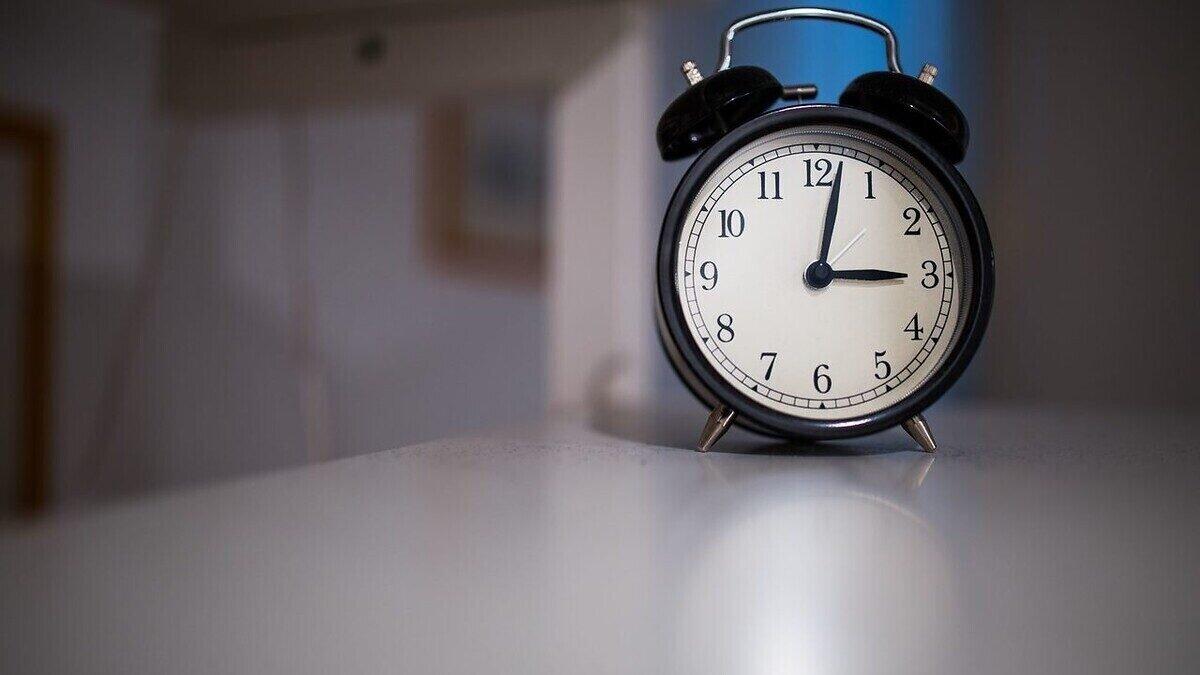
University of Missouri scientists find simple daily routines are linked to less physical pain and fewer depression symptoms in older adults, even among people who sleep poorly. The researchers say regular habits may help keep the body's internal clock in step.
Waking up, eating, socializing and going to bed at consistent times all count as routine, according to the findings.
What the study looked at
Eunjin Tracy, an assistant professor in the university's College of Education and Human Development, examined survey responses from 67 older adults. Thirty-seven of them reported insomnia.
As expected, those with insomnia reported more pain and more depression than participants without it. Then Tracy compared their daily schedules.
Participants with more consistent routines tended to report less pain and fewer depressive symptoms, whatever their sleep quality. Sleep problems did not erase the pattern.
"Regardless of sleep quality, those who reported having a regular daily routine had lower levels of physical pain and less depression compared to those without a daily routine," Tracy said.
Why it matters for older adults
Sleep trouble is common in this age group. The National Council on Aging says roughly half of adults age 60 and older report symptoms of insomnia, which can make it hard to fall asleep, stay asleep or sleep restfully.
The study did not establish that regular routines directly reduce pain or depression. It points instead to circadian rhythm, the body's natural 24-hour timing system, as one possible explanation.
That internal clock helps govern when people feel awake or sleepy. It also influences hormone activity, metabolism and mood. Light and darkness are its strongest cues, but regular meals, work, social contact and sleep can also help set the time.
Irregular schedules can interfere with that coordination. One example is social jet lag, when a person's sleep pattern shifts between workdays and days off.
Someone who wakes early all week but stays up late and sleeps in on weekends may experience a mismatch that resembles crossing time zones. Tracy suggests keeping reasonably consistent schedules across the whole week, weekends included.
"If we are consistent with when we wake up, eat, work or study, interact with others and go to bed, those time cues help synchronize our internal body clocks," Tracy said. "Over the long term, that seems to be linked with improved health outcomes."
 Take the quizWhat Kind of Holiday Spender Are You? Take the Black Friday QuizStart →
- 1Column: 4 Reasons to Eat Dark Chocolate, Dietitians Say

- 2Chrissie Swan, 52, Tears Up Over Secret Surprise While Recovering

- 3Aspyn Ovard Reveals Daughter Has Terminal Cancer on Mormon Wives

- 4Canadiens Expected to Re-Sign Josh Anderson at Lower Salary, Insider Says

- 5Meghan Markle Plans US Return to See Mother After Father’s Arrest

 Lifestyle7 Quiet Habits of Emotionally Intelligent People, According to Psychologists
 LifestylePeople Who Don’t Like Celebrating Their Birthday Often Share These 7 Traits
 Lifestyle · Food & HealthVitamin D in Winter: Do You Need a Supplement, and How Much?
 Lifestyle · Food & HealthWhat Is Seasonal Affective Disorder? Signs, Causes and What Helps