Australian Solar Buyers Told Don’t Just Take Cheapest Quote
Australian solar experts say households should get three quotes and be wary of the lowest price. Demand has surged under the government's home battery program, and complaints about poor installations and lost deposits have risen. Here are their checks before signing.
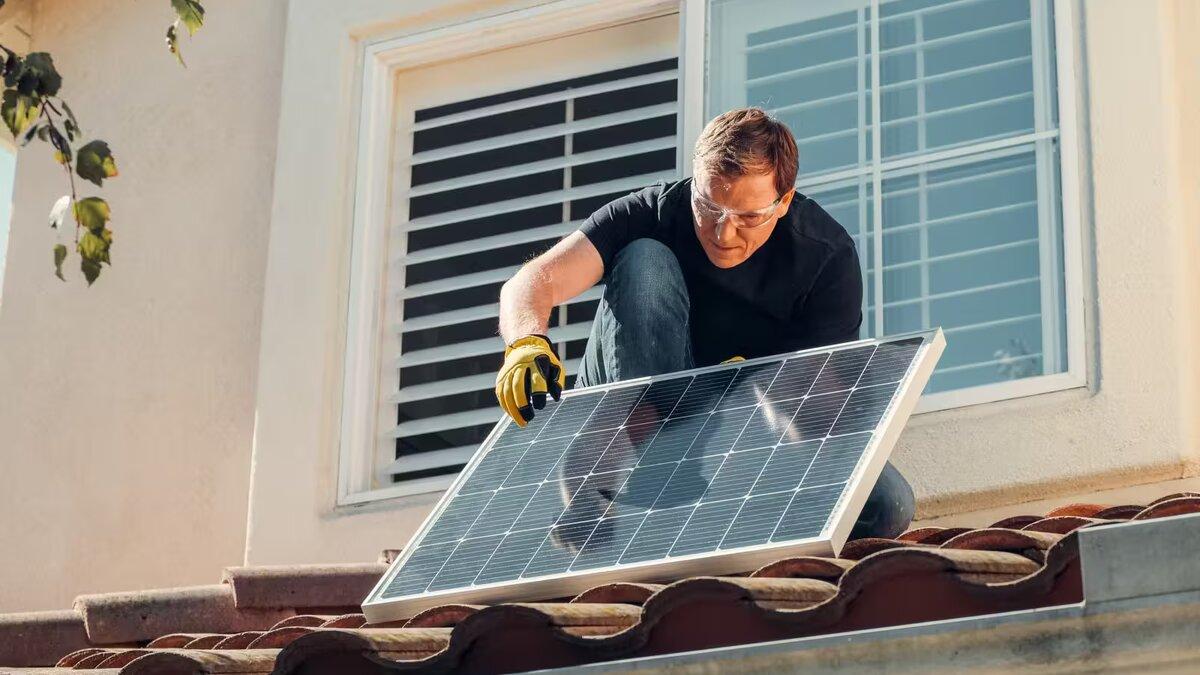
Australian households shopping for rooftop solar or a home battery should not just take the cheapest quote, two leading comparison-site experts advised on November 15, 2026. They say rock-bottom pricing can mean budget products, corner-cutting crews or a company heading for collapse.
The warning comes as demand booms. More than 600,000 households have installed solar batteries since July last year, helped by the Albanese government's multi-billion-dollar Cheaper Home Batteries Program.
Complaints are rising
The rush has brought problems. Customers have described begging companies to fix dodgy installations, losing large deposits when a business went bust, or waiting a year for a system that never arrived.
Complaints to consumer protection agencies have spiked, and unresolved disputes are clogging courts and tribunals. Pressure on the government to cut spending has also fuelled speculation that the program could be scaled back, which could trigger another battery rush.
Why the lowest price is a risk
Jeff Sykes of Solar Choice and Finn Peacock of Solar Quotes, both leading comparison sites, say the right number of quotes is three. Sykes said a cheap installer with a poor reputation can leave buyers with problems that are "costly and difficult to rectify".
Peacock said ridiculously low prices can signal bad intentions. A rogue operator could sign up many customers and shut down when the bills come in.
"One way to deliver a very cheap system is if you know that you're not going to be paying your taxes or your wholesalers or your installers," Peacock said.
Checks before you sign
Both experts suggest using the free Australian Business Number platform to see how long a company has operated and which trading names it has used. Peacock says to avoid any firm that went bust and restarted under a new name, which he called a notorious solar tactic.
Panels typically carry a 25-year warranty and batteries 10 years, he noted. "You want a company that's got the financial breathing space to have staff that are dedicated to customer service and maintenance calls."
On reviews, Peacock advises reading the one-star ratings. How a business responds to a complaint reveals a great deal, he said: "If they haven't addressed it whatsoever, that means that they probably don't care."
Sykes warns that overall ratings can't always be trusted. Some companies encourage positive comments, post fake reviews or get bad ones removed, so he suggests comparing scores across platforms and asking for local customers to call as references.
Red flags
The experts list several warning signs: a large deposit, with legal limits on amounts in some states and territories; "special deals" that pressure buyers to sign immediately; and door knockers, cold callers or other unsolicited sales approaches.
"You're buying solar panels that are warranted for 25 years," Peacock said, which is why he urges buyers to judge a company's staying power, not just its price.
 Take the quizWhat Kind of Holiday Spender Are You? Take the Black Friday QuizStart →
- 1Column: 4 Reasons to Eat Dark Chocolate, Dietitians Say

- 2Aspyn Ovard Reveals Daughter Has Terminal Cancer on Mormon Wives

- 3Chrissie Swan, 52, Tears Up Over Secret Surprise While Recovering

- 4Canadiens Expected to Re-Sign Josh Anderson at Lower Salary, Insider Says

- 5Meghan Markle Plans US Return to See Mother After Father’s Arrest

 Lifestyle7 Quiet Habits of Emotionally Intelligent People, According to Psychologists
 LifestylePeople Who Don’t Like Celebrating Their Birthday Often Share These 7 Traits
 Lifestyle · Food & HealthVitamin D in Winter: Do You Need a Supplement, and How Much?
 Lifestyle · Food & HealthWhat Is Seasonal Affective Disorder? Signs, Causes and What Helps