Jensen Huang’s Ouster Splits Tech Billionaires, Musk Backs Him
Elon Musk, Palmer Luckey and other Silicon Valley billionaires have criticized Nvidia's board for removing CEO Jensen Huang. Nvidia's market value fell by more than $500 billion at its low point, and some investors have asked directors to reconsider.
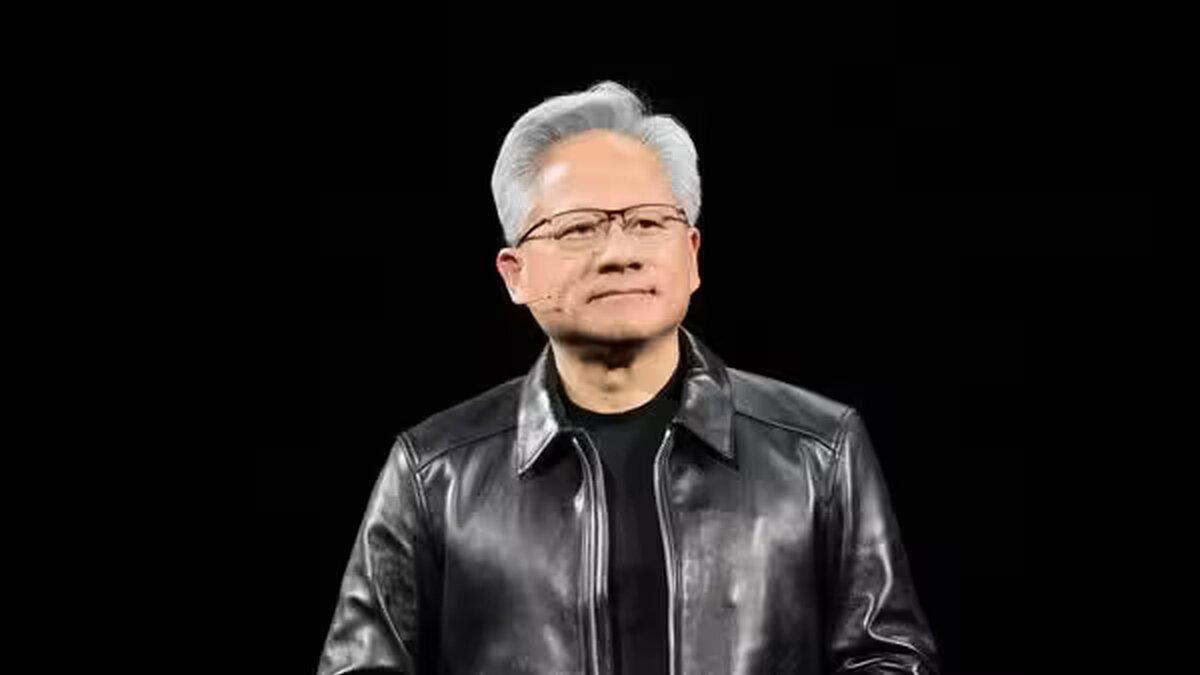
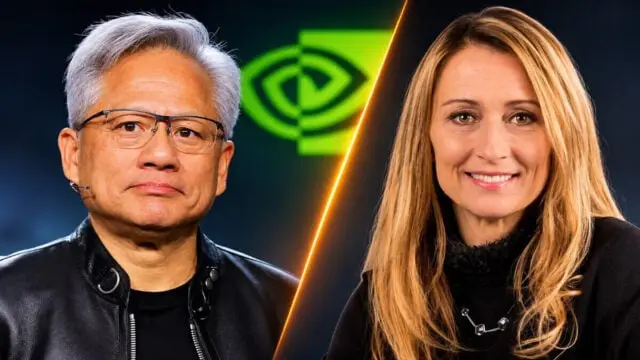
Nvidia's board has removed chief executive Jensen Huang, and some of Silicon Valley's richest figures are publicly demanding he be reinstated. Jensen Huang's ouster has split the tech world, with founders calling it a boardroom coup while others see a justified dismissal.
Elon Musk said on X that he would sign a petition to reinstate Huang. Binance co-founder Changpeng Zhao called it a "mistake for Nvidia to let Jensen resign." Palmer Luckey, Travis Kalanick and Joe Gebbia have also taken issue with the decision.
Some Americans see it differently. They view Huang as a chief executive who was rightly removed over affairs with an alleged Chinese spy and one of his own employees.
Founders defend a founder
Tim Sweeney, founder and chief executive of Epic Games, said the exit showed "serious corporate governance issues" at Nvidia. He compared it to an "Apple firing Steve Jobs level of idiocy."
Telegram founder Pavel Durov was blunter. "Jensen made a rookie mistake. He had a board," he wrote on X. "Founders: Don't have a board."
Huang's peers point to past cases of founders pushed out by their boards. Sam Altman was removed from OpenAI, Kalanick from Uber and Jobs from Apple. Jobs returned to Apple 12 years after he was fired, and Altman was back at OpenAI in five days. Kalanick never returned to Uber, and he has since posted his own 12-step guide to counter boardroom coups.
A stake too small to protect him
Huang's Nvidia stake is estimated at about $140 billion. It represents only 3.6% of the company, which left him exposed to pressure from the board and shareholders. Nvidia was founded in 1993 and went public in 1999.
Many startup founders since Google's 2004 initial public offering have used dual-class share structures. These let them keep voting control without owning a majority of the equity. Backers say the structures shield companies from activist investors.
Marc Andreessen said in 2012 that his firm encouraged all its founders to organize their companies so they would be hard to remove. "It is unsafe to go public today without a dual-class share structure," he said. Critics describe supervoting shares as a parting gift from venture investors, who often exit after an IPO, to show they are "founder-friendly."
Market reaction
Nvidia's shares dropped sharply after reports that the board planned to oust Huang. At the low point, the company's market capitalization had fallen by more than $500 billion.
Some Nvidia investors have asked the board to reconsider.
Matt Mullenweg, founder of Automattic, was fired by his board two months ago after an employee revolt. He was back in his chair 33 hours and 20 minutes later. He says boards should not rush to depose a chief executive.
"In the fog of war, where there might be incomplete information, it's helpful to give things a few days before drawing final conclusions," Mullenweg said.