Jensen Huang Called Nvidia’s Next CEO a ‘Deer in the Headlights’
Months before resigning, Nvidia's Jensen Huang reportedly belittled finance chief Colette Kress, now interim CEO, during an August meeting over risky AI financing deals, including a $250 billion OpenAI data center plan that was cut to $120 billion.
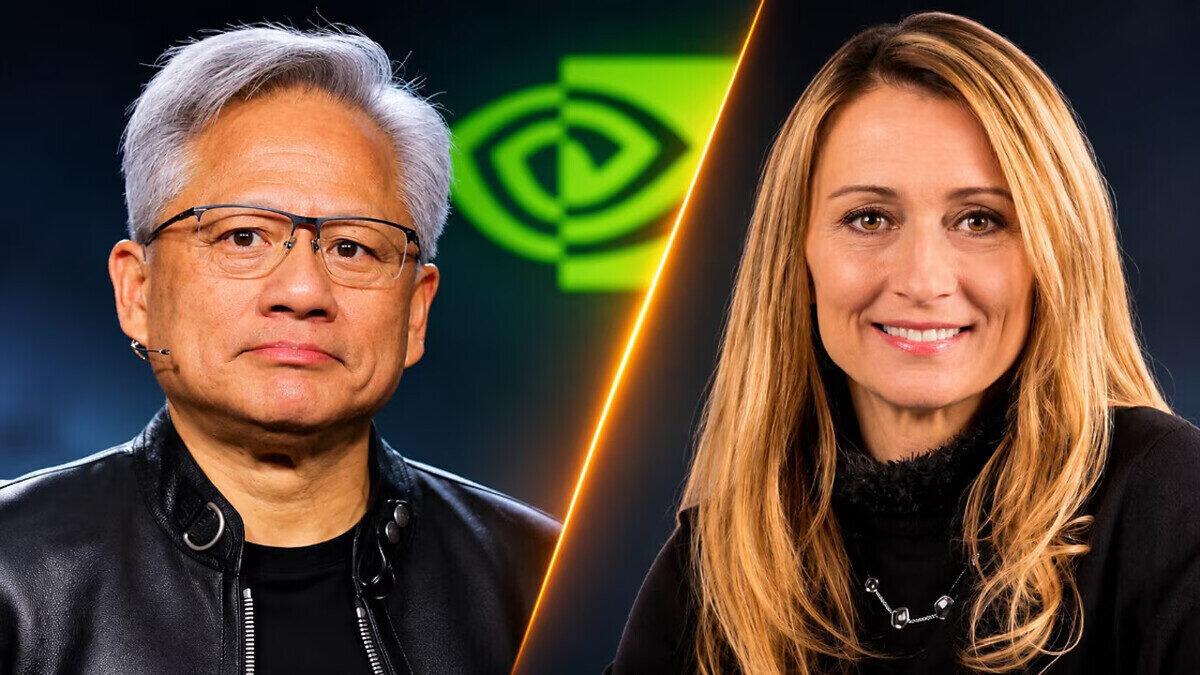
Nvidia founder Jensen Huang reportedly called Colette Kress "a deer in the headlights" at an August meeting, three months before he resigned and Kress, the company's chief financial officer, was named interim chief executive. The remark came as the two clashed over how much risk Nvidia should take in financing its artificial intelligence customers.
Kress, 59, has served as Nvidia's finance chief for 13 years. Huang is 63. Reports describe a relationship that had grown increasingly strained.
The August meeting
Huang summoned senior finance executives as concern mounted over the size of Nvidia's AI commitments. He interrupted Kress while she laid out the company's financial exposure, according to a person familiar with the remarks.
He also dismissed her as a "reporting CFO." That suggested she could present numbers but not shape strategy or make big decisions.
Fights over AI financing
Nvidia had been weighing billions of dollars in financial guarantees for cloud providers and data center developers, some of which could not fund chip purchases on their own. Huang's son-in-law, Nico Caprez, reportedly worked to arrange such financing.
Kress asked how Nvidia would pick worthwhile deals, value its guarantees and calculate returns. Those questions reportedly complicated Huang's push to expand Nvidia's role in funding the industry.
One proposal involved a reported $250 billion plan to support an OpenAI data center project in Ohio. Kress and her team pushed back, and the plan was scaled down to $120 billion, according to reports.
She also raised concerns about proposals involving Caprez and Raj Mirpuri, another vice president. In the spring, the two reportedly told prospective partners that Nvidia could arrange credit-support deals within weeks. Kress warned that such deals would require partners to share part of their revenue with the chipmaker.
She also sought to rein in Caprez, who had been promoted to vice president in January.
Huang's own worries
Huang was himself beginning to question whether Nvidia's dealmaking had gone too far. At the same meeting he reportedly voiced anxiety that major cloud providers were exploring alternative chips to reduce their dependence on Nvidia.
He compared the company's large commitments to buy chip wafers and memory to an "avalanche."
A different style at the top
People familiar with both executives describe Kress as calmer and more measured than Huang, whose management style was confrontational. One source said it was unlikely anyone other than Huang would pursue investments in customers, including financing for start-ups, on the same scale.
Huang announced on Thursday that he was stepping down as president and CEO and leaving the board. His exit followed reports about his relationships with a woman suspected of links to Chinese intelligence and with two Nvidia executives. Those claims have not been established as fact.
Sources expect Kress to steer Nvidia toward closer ties with policymakers in Washington and fewer confrontations over issues such as export controls.