Google Tells Schools to Accept AI Overviews or Lose Search
Google says schools that switch off AI Overviews for students will lose access to Google Search entirely. Parents, New York City's mayor and a US senator have objected, and a former Google ethics staffer links the policy to recent antitrust cases.
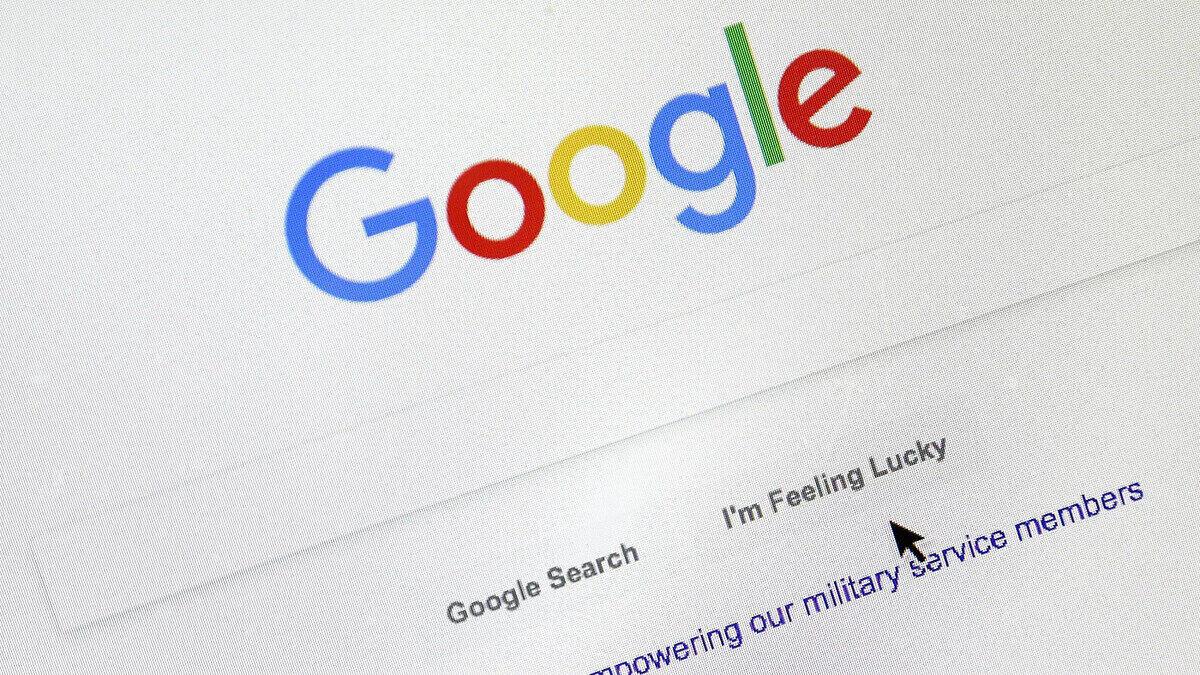
Google has told US schools that if they do not want AI Overviews to appear when students use Google Search, they will lose access to Search altogether. The policy, announced this month, has parents asking what is AI doing in their children's classrooms, and it has drawn criticism from elected officials.
Google is a big part of the school day for millions of students. It is a search engine, but also a hub for sharing documents and turning in homework.
Parents push back
The announcement said schools can turn off some AI features for students. Jodi Carreon, a mother in Southern California who runs the advocacy group Schools Beyond Screens, was first excited by that news. Her group is part of a parent-led movement demanding limits on technology in classrooms.
Then came the catch on Search. "Parents are angry," Carreon said. "They're very angry."
Districts including Los Angeles Unified, Seattle Public Schools and New York City Public Schools recently agreed to bans on AI in the classroom. Google did not extend that option to its flagship Search tool. Even advocates who want less tech in schools acknowledge that losing the ability to "Google" something would be a problem for teachers.
Officials weigh in
New York City Mayor Zohran Mamdani said in a post on X that Google is using "its monopoly power to force AI into our public schools." Democratic Sen. Ed Markey of Massachusetts wrote to Google's chief executive demanding the company reverse its policy.
Common Sense Media, a nonprofit that evaluates how teens interact with technology, recently gave AI Overviews an "unacceptable risk" rating. It cited unsafe content and false information, among other concerns.
A court-case theory
Tracy Pizzo worked at Google for more than a decade before leaving in 2022, much of it on education and ethical AI standards. She said the move baffled her. Her theory is that it ties to two antitrust cases Google recently fended off in Washington, D.C.
Big online publishers had sued, arguing AI Overviews hurt their business and was a separate product from Search. The judge decided otherwise. "The judge decided that Search and AI are an integrated product," Pizzo said, and dismissed the cases.
An off switch for schools only, she argued, would be evidence the two can be separated. "And that undermines the win they just had in court." Antitrust experts consulted about the theory were not entirely convinced, but did not dismiss it altogether.
Google pointed to its original announcement, which said: "Our goal is simple: provide school leaders the control and confidence to use AI products in classrooms as they see fit." The company did not answer questions about any link to the antitrust cases.
The day after the announcement, parents in North Carolina sued Google. They allege its Gemini chatbot helped their 13-year-old daughter plan her suicide and funeral on her school-issued Chromebook.