SpaceX Lifts Off Aiming to Make Starship Reusable, Skips Booster Catch
SpaceX launched Starship's 15th test flight from South Texas on November 13, but skipped the planned Super Heavy booster landing. The ship was bound for orbit with 26 Starlink V3 satellites, ahead of a first-ever attempt to catch the upper stage with the launch tower's arms.
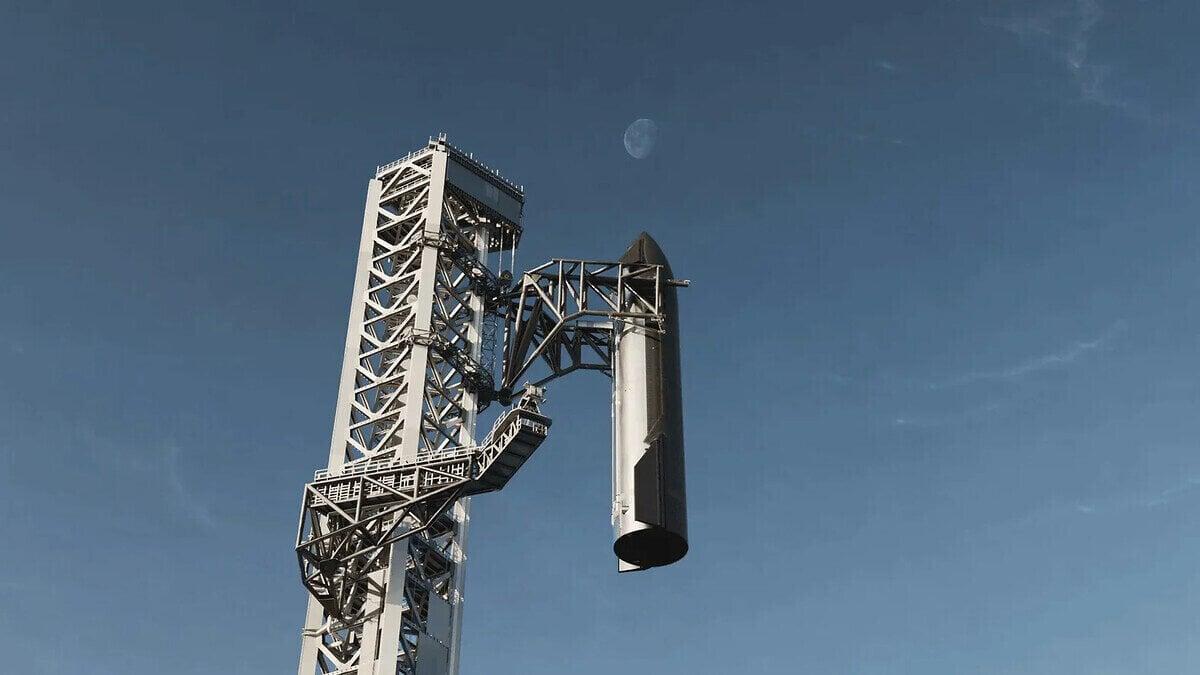
SpaceX launched the 15th test flight of its Starship rocket from South Texas on Friday, November 13, aiming to make the first fully reusable orbital launch system, but skipped the landing of its Super Heavy booster. The update came at 6:25 p.m. ET, shortly after liftoff.
Other reports on the flight said a booster explosion stopped the planned double catch. A successful flight would have brought both halves of the vehicle back to the launch tower intact.
What SpaceX planned
The launch window opened at 5:45 p.m. ET and ran 75 minutes. About 6.5 minutes after liftoff, SpaceX planned to catch the booster with the tower's "chopstick" arms, the first attempt on the current V3 version of the vehicle, which debuted in May.
The upper stage, called the ship, was meant to reach orbit and deploy 26 Starlink V3 satellites, starting about 35 minutes after launch. SpaceX only narrowly reached orbit for the first time on the previous flight, in September.
The ship would then circle Earth about 14 times over 22 hours. Three of the satellites were to help assess its heat shield before SpaceX decided whether to bring it back.
The ship catch
If conditions SpaceX developed internally and the Federal Aviation Administration approved were met, the ship would return about 21 hours after launch. That would put the attempt on Saturday, November 14.
No ship has ever been caught. This one would also fly over inhabited parts of northern Mexico and southern Texas, rather than splash down in open ocean as on earlier missions. It would then flip upright above Pad 2 at Starbase, SpaceX's South Texas site.
SpaceX has caught three Super Heavy boosters and reused two of them. The company calls full reuse the "holy grail" of rocketry, because it would end the practice of throwing away expensive rocket parts after one mission.
Why it matters
CEO Elon Musk hopes full reuse could cut the cost of a launch by orders of magnitude. SpaceX targets roughly 10,000 Starship launches a year by 2030, more than one per hour. Musk said in August that the company aims to refly a booster and a ship early next year.
"If both are successful, it will mark the first time that all parts of an orbital rocket return to Earth intact," Musk wrote on X on November 6. "This is the critical breakthrough needed to make life multiplanetary."
Jeremy Pedro, SpaceX's director of Starship propulsion systems, said the ship cannot be left in orbit. "It's really important that we do not leave the vehicle on orbit in the event that it randomly reenters and comes back over landmasses or populated areas," he said in a SpaceX video.