Microsoft Global Outage: What to Know as Fixes Stall
Microsoft's outage knocked out Outlook, Teams and Copilot across 74 countries, with Downdetector reports peaking near 140,000. The company blames overloaded servers, not a cyberattack, and says early fixes have had only marginal success. Government agencies, UK GP practices and AI firms were also affected.
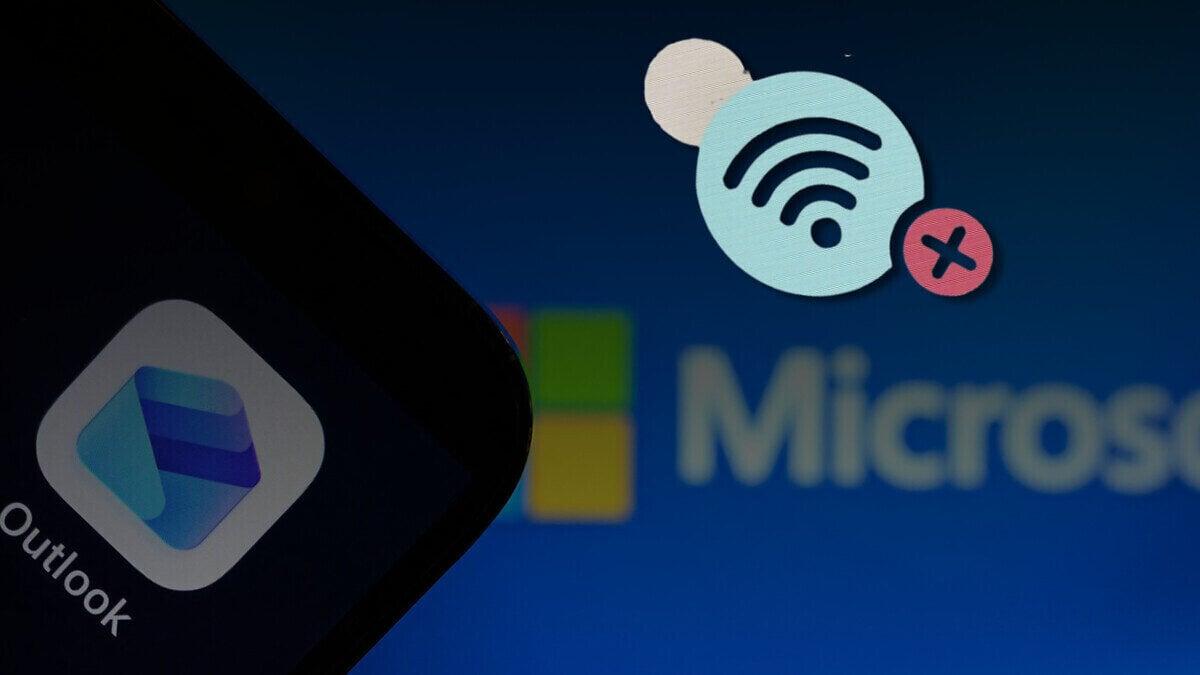
Microsoft's global outage, which began Thursday evening GMT, has left Outlook, Teams and the Copilot AI assistant patchy or unusable for tens of thousands of people in 74 countries. Here is what to know: Microsoft says its fixes have so far had only "marginal success".
What failed and when
Reports of Outlook problems peaked globally at nearly 140,000 around 18:00 GMT on Thursday, according to outage tracker Downdetector. In Australia, reports spiked from just before 5am AEDT on Friday.
At one point, reports reached almost 20,000 per minute across five Microsoft platforms. Many users could not send or receive email, open certain files or see calendar details. Some people still used Teams normally.
More than 430 million people use Microsoft 365 apps, according to Microsoft's website.
Microsoft's explanation
Microsoft has ruled out a cyberattack. It blames "elevated load" on its infrastructure: a large number of servers became "unexpectedly unavailable", pushing extra traffic onto the remaining ones.
An earlier update said attempted fixes were "not taking as expected". On Friday morning the company reported "marginal success" and said it was monitoring activity across regions to decide how to add capacity.
Its latest list of affected services includes Microsoft Purview, Power BI exports, the Microsoft 365 Apps Admin Centre, Universal Print and Windows 365 Cloud PCs.
Who else is affected
OpenAI and Anthropic both reported problems linked to the outage. OpenAI said it was investigating an issue with its connections to Microsoft's services that left some tools not working as expected.
The Singaporean government and Australia's spy agency also reported disruption. ASIO director-general Mike Burgess said the agency's emails were hit: "We operate on multiple levels, so one level, yes [we are affected], but not completely."
Australian schools, universities, businesses and government agencies reported major issues, including the Australian Federal Police. Home Affairs Minister Tony Burke said Microsoft does not believe it was a cyberattack.
Service NSW said some transactions at its service and call centres were unavailable and urged customers to complete tasks online where possible. Triple Zero said emergency calls were not affected.
Several GP practices across the UK warned of possible problems. Some told patients to make urgent queries by phone rather than by email or web form.
Cost and reaction
Australian reports on Downdetector had dropped to a little under 3,000 by 2pm AEDT on Friday, down from more than 5,500 around 9:30am. Many people still could not get into their email.
Associate Professor Mark Gregory said lost productivity could total tens of billions of dollars globally. He called for Australian businesses to be able to claim compensation and for the government to fine big tech for such outages.
Australian cyber-security expert Troy Hunt said the outage could have far-reaching effects. "Microsoft is a massive part of the internet backbone and reminds us how critical email still is," he said.
Microsoft has not given a time for full recovery.