Microsoft Deeply Sorry for Global Outage, Says Services Restored
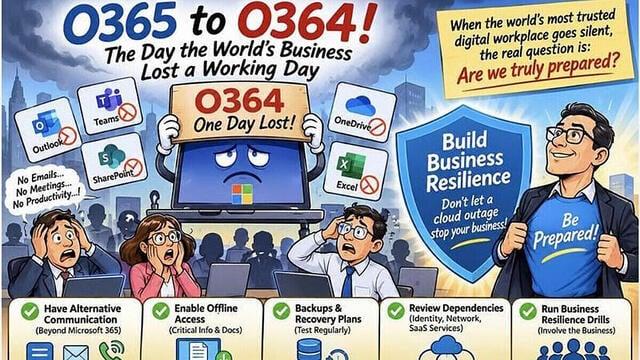
Microsoft said early Saturday that Outlook, Teams and Copilot are fully restored after a worldwide outage that hit more than 70 countries. The company blamed a network capacity upgrade, not a cyber-attack, and apologized to customers and partners.
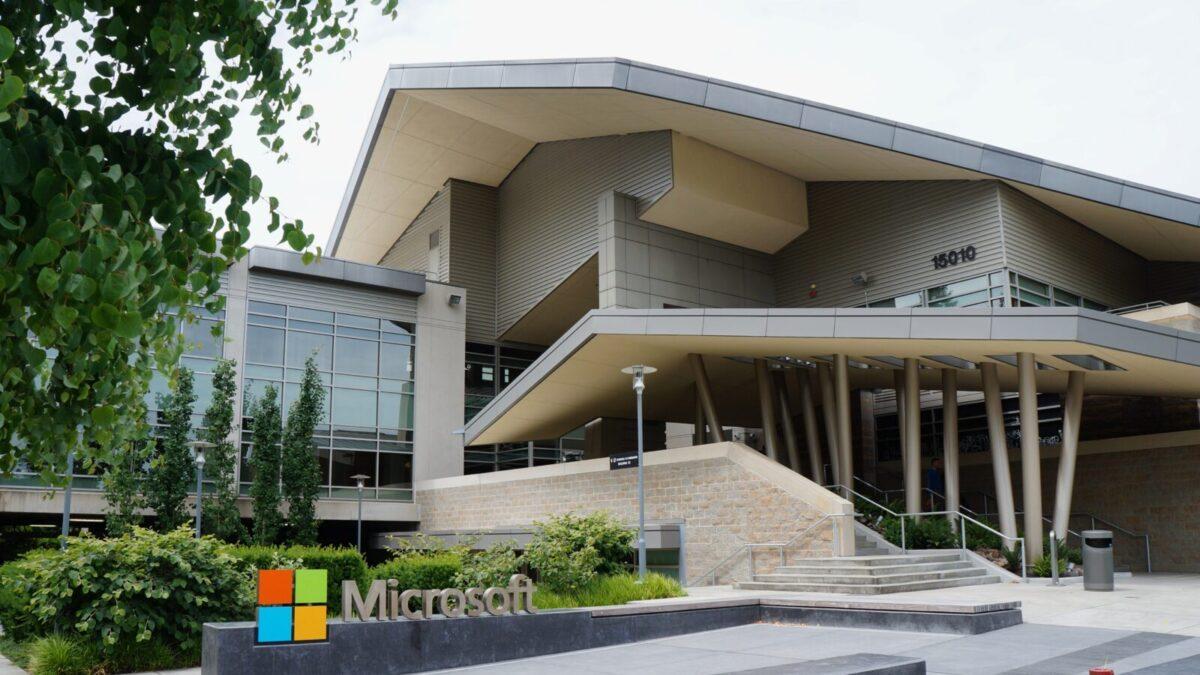
Microsoft said early Saturday, November 14, 2026, that its services are fully restored after a global outage that hit more than 70 countries, and a company spokesperson said Microsoft is "deeply sorry" for the disruption. Outlook, Teams and Copilot users should no longer be affected, the company said.
More than 430 million people use the affected products worldwide. The outage disrupted business operations, government services and personal users.
What Microsoft says went wrong
Microsoft said the fault came during a "network capacity upgrade." It said a cyber-attack or an artificial intelligence agent did not cause the problem, and that it has detected no malicious activity.
In its early updates on Thursday, the company pointed to "elevated load across multiple regions." It said a "number of servers being unexpectedly unavailable" strained the remaining infrastructure, and some servers were failing automated health checks. Microsoft said it would issue a full report once its assessment is complete.
"We are deeply sorry for the disruption this incident has caused our customers and partners," a Microsoft spokesperson said. "We know the trust they place in our services and take that responsibility extremely seriously."
A day-long recovery
Users began reporting trouble with Microsoft 365 products on Thursday. Microsoft first acknowledged that users in the Americas could not reach Exchange Online mailboxes at 17:54 GMT that day, and soon warned the disruption might affect Microsoft 365 globally.
By 04:36 on Friday, Microsoft reported only a "partial recovery" in some parts of the world. By 13:32 it cited "broader improvements" in North America, "sustained improvements" across much of Europe and "encouraging recovery signals" in Asia Pacific. Services began to recover Friday afternoon UK time, nearly 24 hours after the problems first emerged.
Microsoft restored services in stages, it said, to keep them stable once back online. Engineers also extended the window in which delayed emails keep trying to deliver to 48 hours, to help protect messages.
Microsoft shares traded largely flat on Friday.
Impact around the world
By Friday the outage was affecting institutions from the Japanese government and the Philippines Supreme Court to the Australian spy agency, plus trains, hospitals and courts in North America.
In the UK, some parts of the NHS, some schools and some police forces were affected. UK cyber minister Liz Lloyd said the incident had "limited" impact on critical frontline services such as 999 calls, and that the transport network was not disrupted.
Canada's national rail network warned passengers they might not receive email updates about their trips, and hospitals across the country had email problems. In the US, House of Representatives staff said the outage set back a full day of legislative work because everything ran on Outlook.
Singapore's government acknowledged that some of its systems were hit. In Turkey, advisers and officials at the COP31 climate summit in Antalya could not access Outlook.
Smaller firms and individuals felt it too. Peter Pentz, a South African winemaker, said his business was effectively at a "standstill" and "critical production work" had halted.
Georgia, from Staffordshire in England, said her first house purchase, eight months in the making, was likely to be delayed. "The solicitor mentioned there may be a delay due to not being able to contact other agencies," she said.
Experts called the event a "stark reminder" of how heavily businesses and vital services rely on a small group of big tech providers.