Catons’ Lush Income Farm That’s Turning Lychee Waste Into Spirits
Krystal and Paul Caton, first-generation growers near Rockhampton in Queensland, have turned lychees that miss export grade into a liqueur and a vodka. Both products won medals at the 2026 Melbourne Royal Spirits Awards, and the couple say they give the farm a new way to earn outside the fruit season.
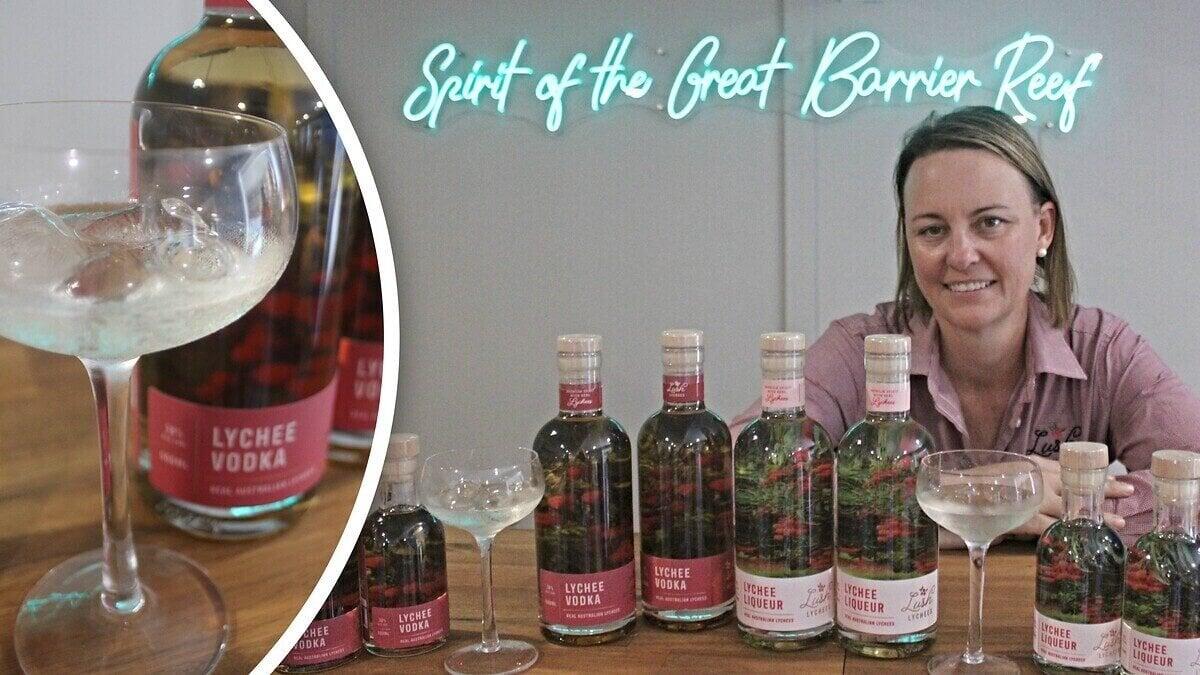
Krystal and Paul Caton, who own a lychee farm at South Yaamba, 30km north of Rockhampton in Queensland, won a silver and a bronze medal at the 2026 Melbourne Royal Spirits Awards for a liqueur and a vodka made from fruit that missed market grade. It is a lush income farm that's now earning money from produce that once went to waste.
The liqueur took silver. The vodka took bronze.
Both products, Lush Lychee Liqueur and Lush Lychee Vodka, were released in July this year. Ms Caton said the awards were a boost for a first batch. "So that was pretty exciting to have that for our very first batch," she said.
The Catons farm 145ha (360 acres) and have planted 10 commercial lychee varieties across 9000 trees. They produce more than 100 tonnes of fruit a year. Their main export markets are Canada, New Zealand, the US, Singapore and Hong Kong.
They were first-generation horticulture farmers who knew nothing about growing lychees when they bought the farm 10 years ago. They have since added watermelons, hay and grain, and a farm shop.
Why spirits
Ms Caton said some fruit cannot go to premium markets because of problems such as skin damage. The couple also wanted more control over their supply chain.
The idea for a liqueur came from farm shop customers, she said. They often told her their favorite lychee experience was in a cocktail, then asked if the farm made a liqueur. Until this year the answer was no.
Ms Caton said earlier attempts with other businesses had not worked out. A year ago she tried again, this time with Shane Smith and Laureth Rumble of Reef Distillers in Yeppoon.
Two products from one start
Mr Smith began with samples of Ms Caton's lychees and a few tests. He then bought as many lychee vodkas and liqueurs as he could find and tasted them. "My goal is always to make it better," he said.
As work went on, the team split the base and made two products instead of one. Mr Smith, a distiller for many years in South Africa, said lychee's natural sugars suit a liqueur well.
Ms Caton said fresh export fruit remains the base of the business. The spirits give the farm another way to sell fruit outside its season and to use fruit that would otherwise be wasted.
Batches are small. The Catons peel, pit and freeze their lychees so the supply stays consistent for the drinks market. Ms Caton called the range "a gourmet, premium product" and said she would like to see it grow a little.
 Take the quizWhat Kind of Holiday Spender Are You? Take the Black Friday QuizStart →
- 1Column: 4 Reasons to Eat Dark Chocolate, Dietitians Say
- 2Aspyn Ovard Reveals Daughter Has Terminal Cancer on Mormon Wives

- 3Chrissie Swan, 52, Tears Up Over Secret Surprise While Recovering

- 4Canadiens Expected to Re-Sign Josh Anderson at Lower Salary, Insider Says

- 5Meghan Markle Plans US Return to See Mother After Father’s Arrest

 Lifestyle7 Quiet Habits of Emotionally Intelligent People, According to Psychologists
 LifestylePeople Who Don’t Like Celebrating Their Birthday Often Share These 7 Traits
 Lifestyle · Food & HealthVitamin D in Winter: Do You Need a Supplement, and How Much?
 Lifestyle · Food & HealthWhat Is Seasonal Affective Disorder? Signs, Causes and What Helps