SpaceX Rocket Orbits Earth 14 Times, Returns to Launch Tower
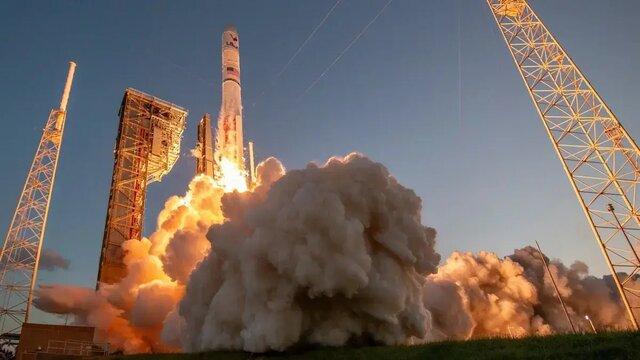
SpaceX's Starship upper stage orbited Earth 14 times over about 22 hours, then flew back to its Texas launch tower and was caught by mechanical arms. The Super Heavy booster, however, diverted and exploded in the Gulf of Mexico, so the planned double catch did not happen.
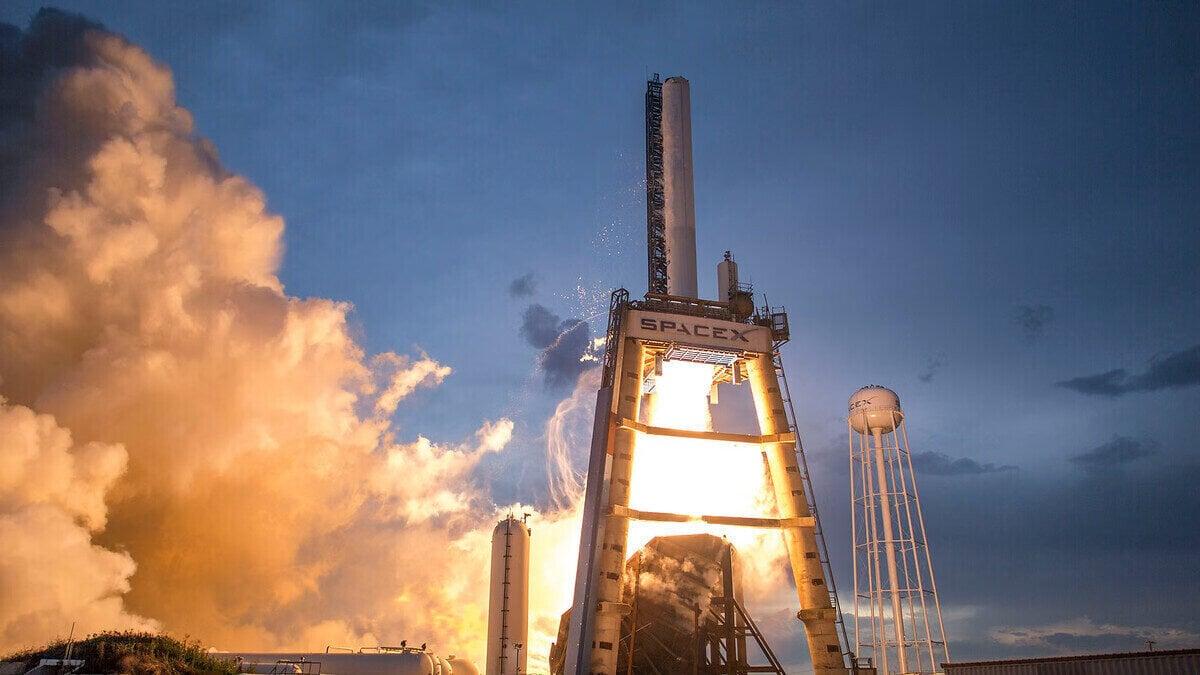
SpaceX's Starship upper stage orbited Earth 14 times over about 22 hours and returned to its launch tower in Texas, where two mechanical arms caught it. It is the first time the company has recovered the upper stage this way.
The 171-foot (52-meter) bullet-shaped spacecraft dropped into the clutch of the tower's arms. That ended Starship's 15th test flight, which SpaceX had hoped would catch both halves of the rocket.
A booster lost, an upper stage caught
The plan fell short on the booster. The lower stage, called Super Heavy, diverted a few minutes after takeoff and exploded in the Gulf of Mexico.
SpaceX spokesperson Dan Huot said the rocket's guidance, navigation and control system triggered the call. "It was doing what it was supposed to do," Huot said. "Basically, it detected that the booster was not in the place it was supposed to be to proceed with a catch."
So SpaceX has still not recovered both Starship stages in a single mission.
How the return worked
After releasing 26 Starlink satellites in orbit, Starship fired one engine to begin its descent. It slowed from an orbital speed of about 27,000 kilometers per hour to a supersonic freefall over Texas, enduring intense heat on the way down.
The craft then relit three engines, flipped upright and steered toward the tower. The two "chopstick" arms clasped it as it hovered in place.
Why reuse matters
SpaceX's current workhorse, the Falcon 9, has launched more than 700 times since 2010. Its first stage is reusable, but its second stage, which delivers payloads to orbit, is discarded into the ocean after each flight.
Owner Elon Musk wants Starship to fly to space and back much like a commercial airplane. SpaceX is also working on new heat-shield tile designs that would need little to no refurbishment after each mission.
The milestone comes as NASA aims to return humans to the lunar surface in 2028. The agency has contracted SpaceX and Jeff Bezos's Blue Origin for the mission, and Musk has also pushed a plan to carry people to Mars.
Musk said on a recent earnings call that SpaceX plans to ramp up Starship test flights to a weekly cadence, then twice weekly.
 Take the quizWhat Kind of Holiday Spender Are You? Take the Black Friday QuizStart →
- 1Column: 4 Reasons to Eat Dark Chocolate, Dietitians Say

- 2Aspyn Ovard Reveals Daughter Has Terminal Cancer on Mormon Wives

- 3Chrissie Swan, 52, Tears Up Over Secret Surprise While Recovering

- 4Canadiens Expected to Re-Sign Josh Anderson at Lower Salary, Insider Says

- 5Meghan Markle Plans US Return to See Mother After Father’s Arrest

 Lifestyle7 Quiet Habits of Emotionally Intelligent People, According to Psychologists
 LifestylePeople Who Don’t Like Celebrating Their Birthday Often Share These 7 Traits
 Lifestyle · Food & HealthVitamin D in Winter: Do You Need a Supplement, and How Much?
 Lifestyle · Food & HealthWhat Is Seasonal Affective Disorder? Signs, Causes and What Helps