Australia Ombudsman Warns Social Media Lockouts Feared to Rise
Australia's telecommunications industry ombudsman, Cynthia Gebert, says more people and small businesses could lose social media accounts if platforms lean on AI to meet a new digital duty of care. She wants an independent complaints process as the Greens press Labor for changes.
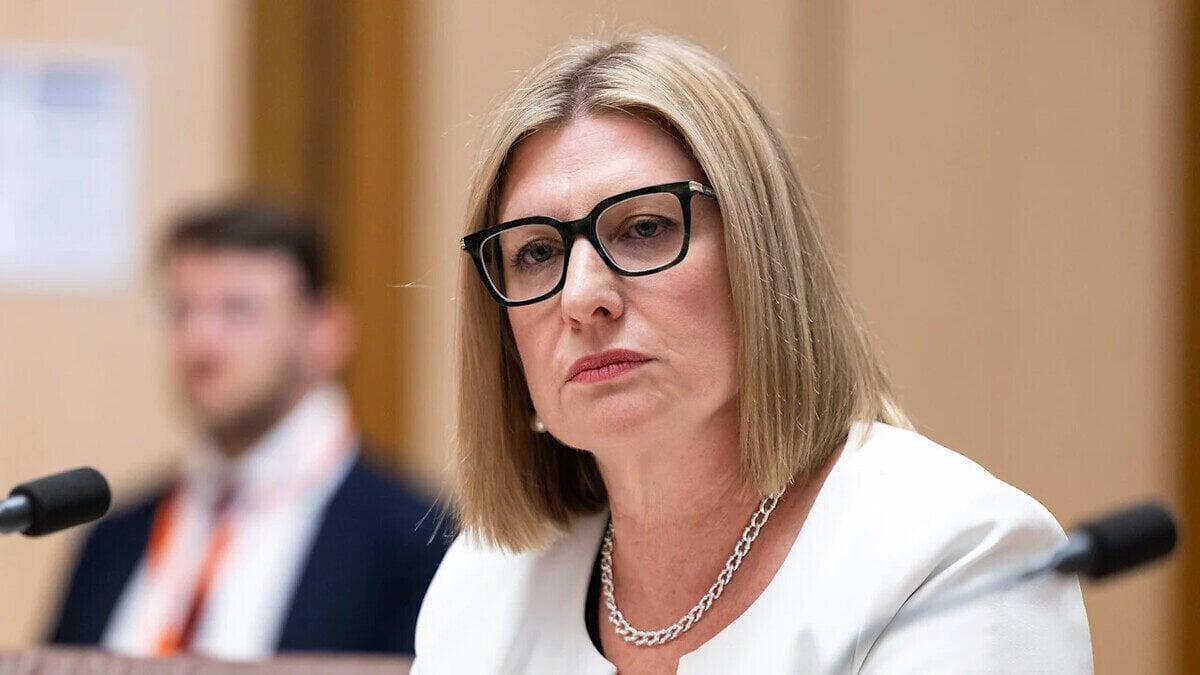
Cynthia Gebert, Australia's telecommunications industry ombudsman, has warned that social media lockouts are feared to grow as tech companies prepare for the federal government's digital duty of care laws. She says more Australians and small businesses could lose accounts if platforms enforce the rules bluntly with AI.
Gebert repeated her call for an independent complaints process. She supports the duty of care's goal of protecting Australians from online harm, but says that as drafted it could make things worse while leaving no big-tech ombudsman in place.
Femicide Watch case
Gebert pointed to Meta's closure last week of a page tracking the murder of women in Australia. The page, Sherele Moody's Femicide Watch, was restored on Instagram after the anti-violence advocate ran an online campaign.
Most people have no such route, Gebert said. "We don't think that that's really creating the right environment or holding big tech to account," she said. "Having an independent umpire is a really important part of the system."
Meta conceded that enforcing harm mitigation at scale means its systems sometimes make mistakes. Users can appeal a takedown in the app, but there is no way to contact a human. If the appeal fails, the account is permanently disabled.
Australian accounts are among the most frequently shut down and hardest to recover, according to not-for-profit Repro Uncensored. In July, a wave of Meta suspensions hit popular local queer venues.
Small businesses at risk
"We're hearing from consumers that these are blunt, automated responses," Gebert said. She said incorrectly flagged posts could lead to more lockouts as platforms add AI tools to create a safer online environment.
Small businesses are especially exposed, she said, because many built their models around social media. "I've had people speaking to me about their mortgages on their homes being put at risk because they've lost access to their platforms," she said.
Politics of the bill
Labor's legislation would require platforms to protect Australians from seriously harmful content, such as violent threats or child exploitation material. It would also let users opt in to an algorithm.
The Greens are pushing for an independent complaints avenue, tougher rules to discourage doomscrolling, larger fines and a right for Australians to sue tech companies over online harm. The party is Labor's only path to passing the bill before parliament rises for the year, within the next fortnight. The Coalition has all but refused to negotiate, calling the plan an attack on free speech.
A spokesman for Communications Minister Anika Wells pointed to laws that let the eSafety commissioner sue tech companies that fail to build adequate internal dispute resolution processes. "Right now there is nothing that says platforms must have effective complaints pathways," he said. He added that negotiations over final amendments are continuing.
Gebert welcomed the internal dispute requirement but said it does not go far enough.
 Take the quizWhat Kind of Holiday Spender Are You? Take the Black Friday QuizStart →
- 1Column: 4 Reasons to Eat Dark Chocolate, Dietitians Say

- 2Aspyn Ovard Reveals Daughter Has Terminal Cancer on Mormon Wives

- 3Chrissie Swan, 52, Tears Up Over Secret Surprise While Recovering

- 4Canadiens Expected to Re-Sign Josh Anderson at Lower Salary, Insider Says

- 5Meghan Markle Plans US Return to See Mother After Father’s Arrest

 Lifestyle7 Quiet Habits of Emotionally Intelligent People, According to Psychologists
 LifestylePeople Who Don’t Like Celebrating Their Birthday Often Share These 7 Traits
 Lifestyle · Food & HealthVitamin D in Winter: Do You Need a Supplement, and How Much?
 Lifestyle · Food & HealthWhat Is Seasonal Affective Disorder? Signs, Causes and What Helps