Vietnam Central Bank Injects Nearly 50 Trillion VND Through Six-Month FX Swap
Vietnam's central bank injected nearly 50 trillion VND into banks through a six-month foreign exchange swap on November 9. Officials say it has begun to ease market expectations on rates, and bankers say it secures dong funding through year-end and the Lunar New Year.
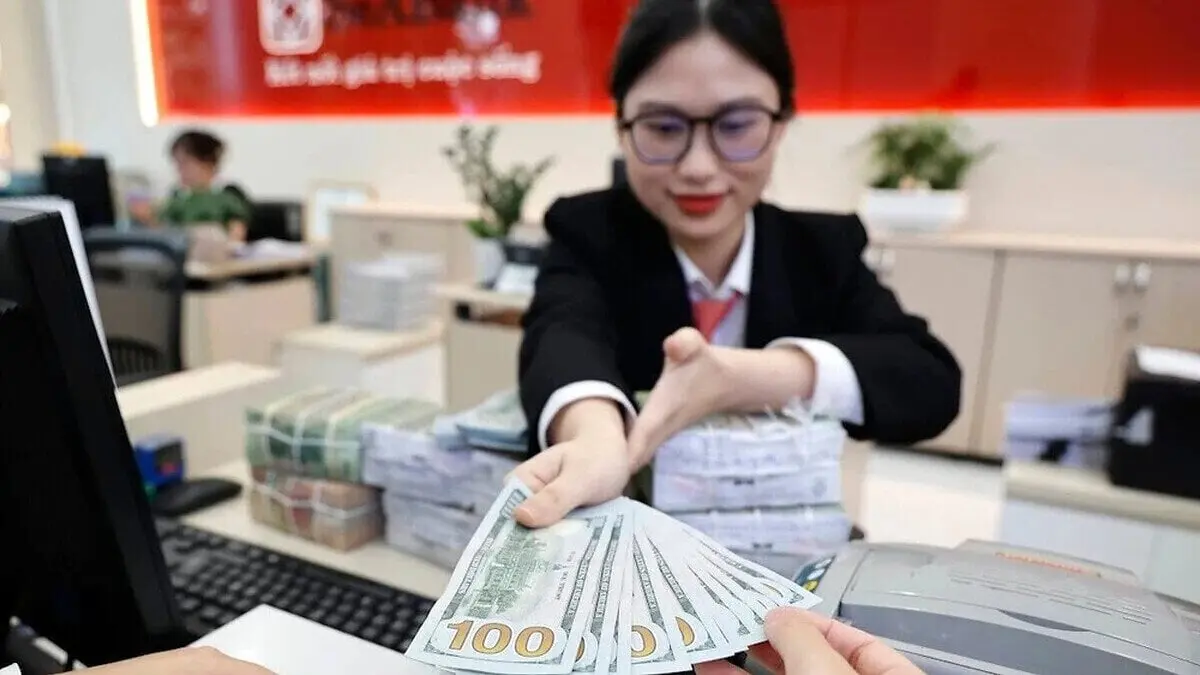
The State Bank of Viet Nam injected nearly 50 trillion VND into the country's banking system on November 9, 2026, through a six-month foreign exchange swap. Foreign exchange swaps create more room for interest rate cuts, according to the logic laid out by central bank and bank officials: cheaper, longer funding for lenders helps pull borrowing costs down.
A foreign exchange swap works like a secured exchange of currencies. Banks sell US dollars to the central bank for Vietnamese dong, and agree to buy the dollars back at maturity at a pre-agreed rate.
How the operation worked
The State Bank announced the operation on November 3, with a maximum size of 2 billion USD. Trading took place on November 6, and the value date was November 9. If fully used, the 2 billion USD limit equals nearly 48.8 trillion VND.
The 182-day maturity is longer than earlier short-term swaps. Banks can hold the dong funding for more time, but must line up enough dong to repurchase the dollars when the deal matures.
Nguyen Linh Phuong, Deputy Director of the central bank's Monetary Policy Department, said credit institutions took part actively.
Swap rates fall
The six-month swap rate on the interbank market dropped to a level equivalent to the central bank's own rate soon after the plan was announced. Rates for maturities of three months or longer also trended down.
“This development indicates that the policy measure has initially helped stabilise market expectations, creating favourable conditions for reducing the overall level of interest rates,” Phuong said.
Funding past the Lunar New Year
Vu Minh Truong, Deputy General Director of VPBank, said deals done in November 2026 will mature in May 2027. That keeps the dong funding in place beyond the December 31, 2026 year-end settlement date and the Lunar New Year holiday in February 2027.
Knowing the repayment date in advance lets banks plan payments and lending during the peak season, Truong said.
Tran Chi Thanh, Deputy General Director of Viet Nam International Commercial Joint Stock Bank (VIB), called the longer maturity timely, since funding demand usually climbs toward year-end. Open market operations, he noted, offer maturities of up to three months. The six-month swap gives banks another way to manage when their funding falls due.
“As one of the banks participating in the first round of swaps with this maturity, VIB has gained an additional source of funding to manage year-end liquidity and meet the borrowing needs of businesses and individuals,” Thanh said.
Cost for banks that borrow abroad
For banks raising money in international markets, maturity is only part of the picture. Thanh said an international syndicated loan used this way carries two costs: the cost of raising foreign currency funding, and a further cost to swap it into dong.