Experts Spell Heart Health Steps for Women at Every Age
New guidelines published October 26 in the journal Circulation lay out heart health checkpoints for women from childhood onward. The authors say hormonal shifts across a woman's life are linked to cardiovascular risk, and that early habits and screening can catch problems decades sooner.
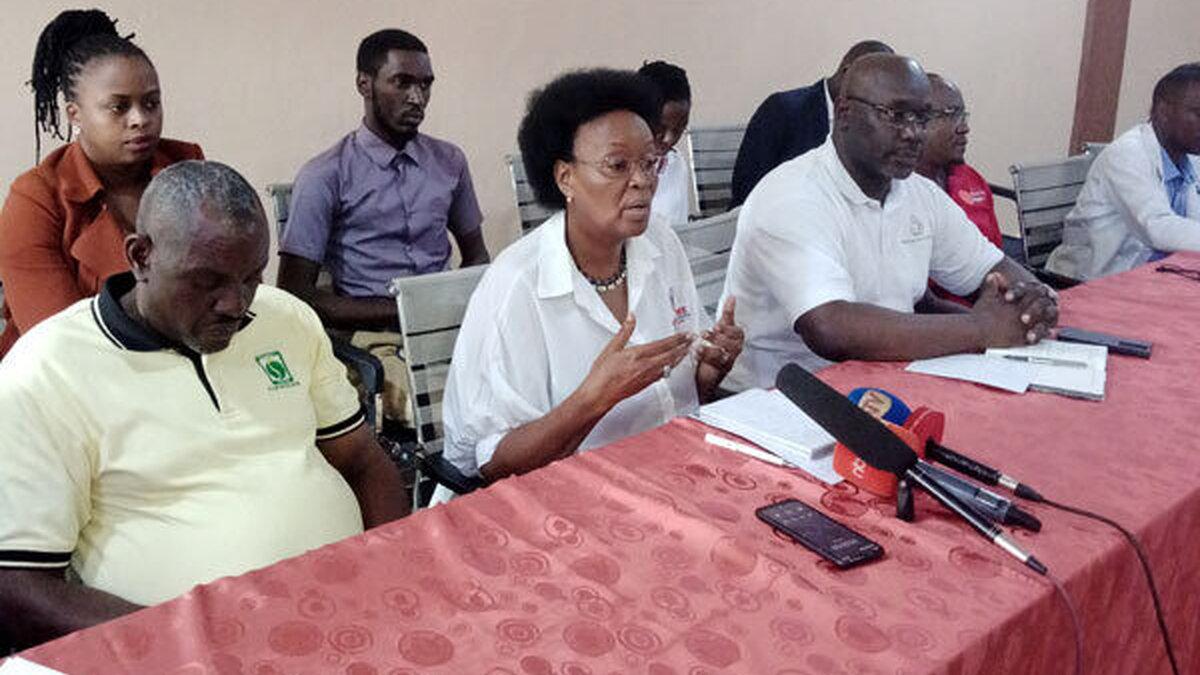
Cardiovascular disease is the leading cause of death in women, yet less than half recognize it as their greatest health threat, said Dr. Sadiya S. Khan, lead author of new guidelines on women's heart risk. In the guidelines, experts spell heart health out stage by stage, from a woman's first period to her last.
The guidelines were published October 26 in the journal Circulation. Authors came from the American Heart Association, the American Academy of Pediatrics, the American College of Obstetricians and Gynecologists and the Society for Maternal-Fetal Medicine.
Research increasingly links the risk of stroke, heart disease and other cardiovascular problems to hormonal shifts across a woman's life. “There’s clearly a pattern there,” said Khan, Magerstadt Professor of Cardiovascular Epidemiology at Northwestern University Feinberg School of Medicine. The guidelines aim to make that pattern clearer so women and their doctors know what to look for at each stage.
Dr. Nisha Parikh, system director of the Women’s Heart Program at Northwell Health, was not involved in the report. She said organizing care around life stages creates “natural checkpoints to catch risks early, rather than leaving decades of a woman’s lifespan unmonitored.”
Childhood habits
It is never too early to think about heart health, said coauthor Dr. Tamara Hannon, a professor of pediatrics at Indiana University School of Medicine. Parents can help children build habits that last.
That means plenty of fruits, vegetables and whole grains, and less ultraprocessed food, animal fat, juice and other sugary drinks. A healthy diet lowers the risk of obesity and type 2 diabetes, both tied to later cardiovascular disease.
Hannon also urged treating daily physical activity as a life skill rather than a weight-loss technique, and promoting good sleep. She advised parents to make sure a pediatrician tracks a girl's growth, since poor or excessive growth may signal hormonal imbalances.
If high cholesterol, heart disease or a heart attack before age 50 runs in the family, the child's cholesterol should be checked. Plaque can build up in blood vessels early, and “wear and tear on the blood vessels in the heart can start to add up,” Hannon said. Doctors can treat high cholesterol in children with diet, exercise and, if needed, statins.
Teenage years and first periods
Doctors might not pay attention to a healthy 18-year-old's cholesterol, “but that cholesterol is going to affect her 20 years or 30 years from now,” said coauthor Dr. Afshan B. Hameed, a clinical professor of obstetrics, gynecology and cardiology at University of California, Irvine.
A recent European study found “silent atherosclerosis,” an early buildup of cholesterol plaques in blood vessels, in 1 out of 13 people ages 18 to 29. Adolescence is also a good time to check blood pressure, blood sugar and A1c, markers of diabetes risk.
Research has found nearly one-third of adolescents and teens have prediabetes. People with diabetes are twice as likely as others to get heart disease, and the risk grows the longer they have it, according to the US Centers for Disease Control and Prevention. Starting menstruation before age 10 is associated with greater cardiovascular risk in adulthood, the report said.
Khan said the guidelines should be “empowering rather than frightening.” Understanding risk, she said, can help women now and help them prepare for what comes next.