ASEAN Signs World’s First Region-Wide Digital Economy Pact
Southeast Asian nations signed a legally binding digital economy agreement in Manila on November 14, 2026. Singapore's Deputy Prime Minister Gan Kim Yong said it took years to negotiate and should take effect early next year. It covers data flows, cybersecurity and AI.
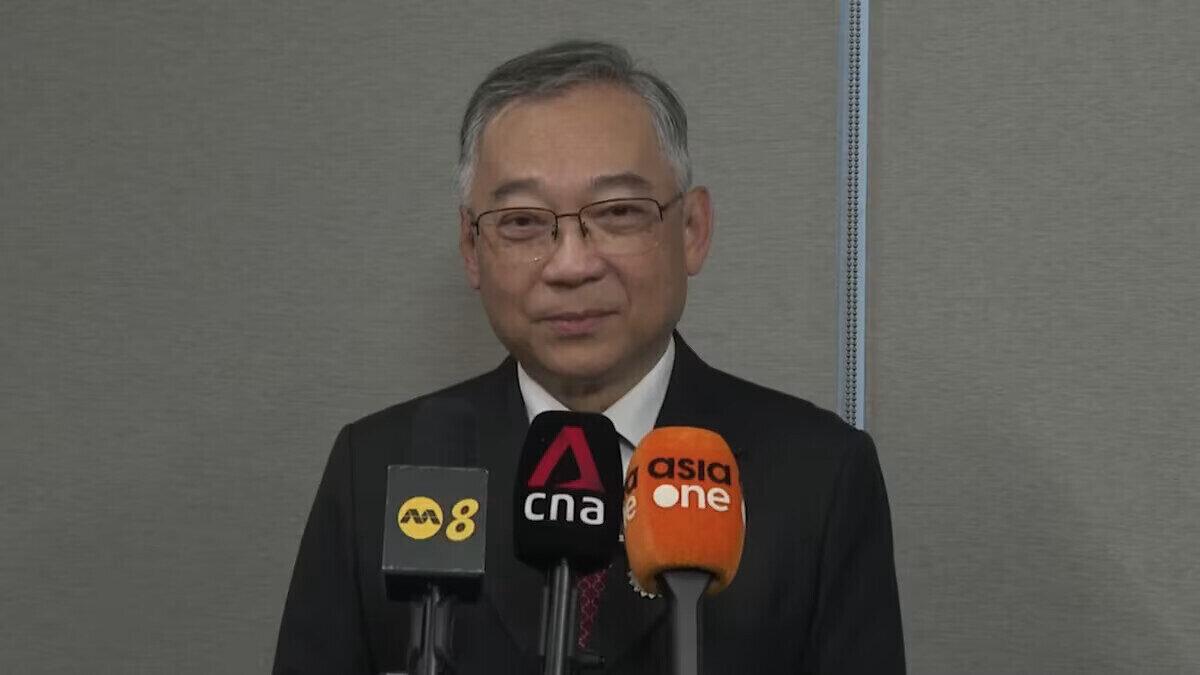
ASEAN countries sign world's first region-wide digital economy pact, laying foundation for collaboration, after member states of the Association of Southeast Asian Nations signed the legally binding Digital Economy Framework Agreement (DEFA) in Manila on Saturday, November 14, 2026.
Singapore Deputy Prime Minister Gan Kim Yong said the deal took the bloc "several years" to negotiate. He said it reflects the diverse state of readiness among member countries.
Gan said the agreement should come into force "sometime early next year".
What the pact covers
The DEFA is ASEAN's first standalone digital economy agreement, according to Singapore's Ministry of Energy, Trade and Industry. The ministry said it lays the foundation for closer digital economic integration and opens opportunities for businesses in ASEAN's growing digital market.
The text covers cross-border data flows, end-to-end digital trade, protection of source code, cybersecurity and artificial intelligence. It aims to improve interoperability across sectors such as technology, e-commerce, payments, logistics and supply chains. Businesses of all sizes should be able to expand across the region, the ministry said.
Exceptions and flexibility
Gan, who is also Minister for Energy, Trade and Industry (Trade), said the agreement sets basic rules for digital trade, including data flows. Countries keep room to protect their own interests.
"Each country has its own specific concerns. Some may relate to privacy laws, some may relate to business confidentiality, some may relate to national security," he said. Exceptions are allowed, but the framework still sets out basic rules so data can be transferred, he said.
He said the pact is designed to evolve over time, so the bloc is not held to the pace of its slowest member. Countries not yet ready can join when they are, he said.
"I think this is inclusive, but yet at the same time allows us to progress at a much faster pace," Gan said.
Green economy talks next
The ASEAN Economic Community Council also discussed a deal on the green economy on Saturday. Gan said work on a Green Economy Framework Agreement (GEFA) began before the digital pact was signed, starting with a feasibility study.
He said officials received an update on Saturday. They hope to finish the study soon and open GEFA discussions next year.
Gan said governments can negotiate agreements, but firms must decide whether to use them. Singapore hopes to engage the private sector and explain how businesses can tap the framework.