Philippines Signs Oil Access Deals With Indonesia, Thailand
The Philippines signed letters of intent on Saturday with firms in Indonesia and Thailand to explore emergency oil access, as Manila seeks protection from Middle East supply shocks tied to the war on Iran. The deals came on the sidelines of the ASEAN business summit.
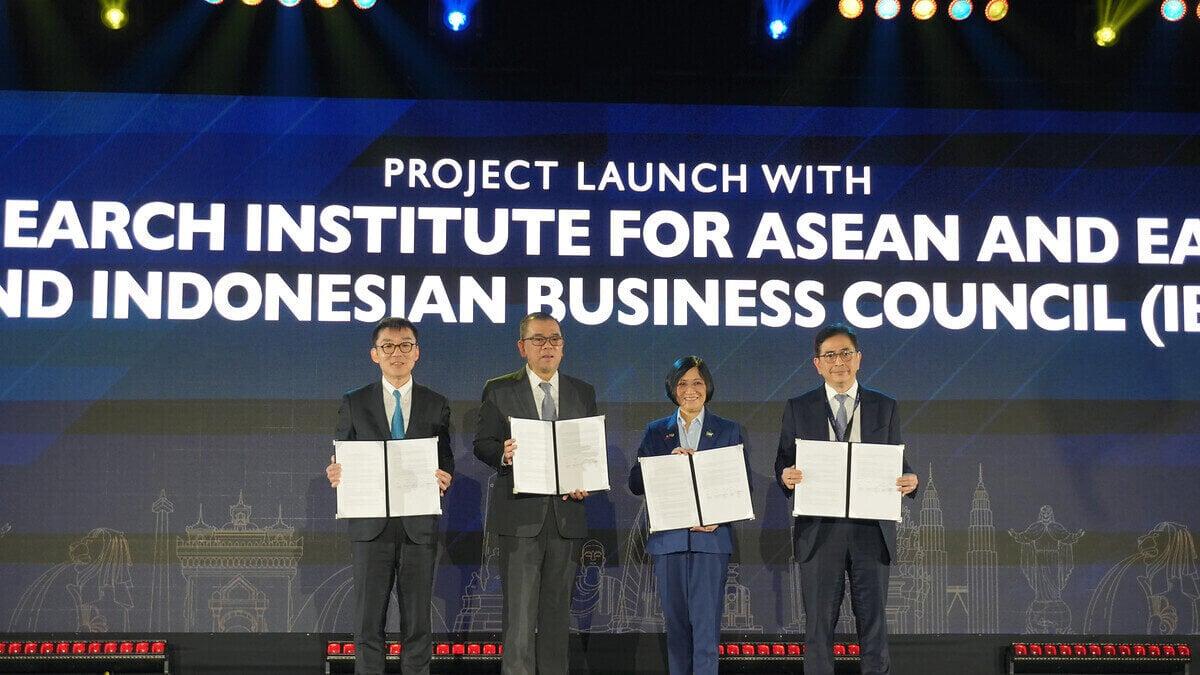
The Philippines launches pilot projects to explore emergency oil access in Indonesia and Thailand, signing preliminary agreements in Manila on Saturday, November 14, 2026. The initiatives aim to shield the country from supply disruptions caused by the US-Israeli war on Iran.
Philippine state-run oil and gas exploration firm PNOC-EC signed separate letters of intent with Indonesia's Interport Mandiri Utama and the Shell Company of Thailand Limited. The signings took place on the sidelines of the ASEAN Business and Investment Summit, held ahead of the ASEAN Summit that Manila begins hosting on Sunday.
How oil ticketing would work
The projects will involve the Economic Research Institute for ASEAN and East Asia (ERIA) and the Indonesian Business Council as knowledge partners. They will focus on "exploring possible areas of cooperation related to oil ticketing mechanisms," ERIA said in a statement.
That includes the "potential use of existing oil storage facilities in Indonesia and Thailand to support oil supply security and emergency preparedness in the Philippines," ERIA added.
Under an oil ticketing arrangement, a participating entity pays for the right to access oil held in another country's storage facilities during an emergency. According to ERIA, that reduces the need for governments to build new storage facilities and buy extra oil stocks upfront.
The EU and other regions have adopted such a system. This would be the first of its kind in ASEAN, the Association of Southeast Asian Nations. Laos and East Timor are reportedly considering taking part as well.
Energy emergency since March
The Philippines imports 98 percent of its oil from the Gulf. It has been in a state of national energy emergency since March, the first country to declare one in response to the Iran war, which drove local fuel prices up significantly.
President Ferdinand Marcos Jr. has since called for a regional study on joint oil stockpiling. ERIA said the 11-member bloc faces "increasing exposure to oil supply disruptions amid geopolitical uncertainties and growing dependence on imported oil." Many Southeast Asian nations depend on the Middle East for crude and hold little stock, leaving them among the hardest hit.
Manila, which chairs ASEAN this year, has led talks to diversify energy sources and deepen cooperation with other partners.
Reserve bill and expert view
The government is also discussing the proposed Philippine Strategic Petroleum Reserve Act. The draft measure would create the country's first state-owned oil reserve to build energy resilience and protect consumers.
Noel M. Baga, an energy lawyer and professor at the University of the Philippines, said the reserve should be Manila's priority. Such a facility would hold at least 60 days of fuel supply, and the measure would also establish more oil refineries in the country.
"Only adequate oil storage facilities and oil refineries inside the Philippines itself can truly ensure the country's energy security, reduce dependence on oil imports, and reduce oil prices," Baga said. "Philippine energy independence is a must."