EU Leaders Agree Joint Team for Ukraine Talks; Kremlin Noncommittal
EU leaders agreed on a joint negotiating team for Ukraine peace talks at a Dublin summit on November 13, 2026. The Kremlin said it has not yet agreed to European participation, setting up a dispute over who speaks for Europe.
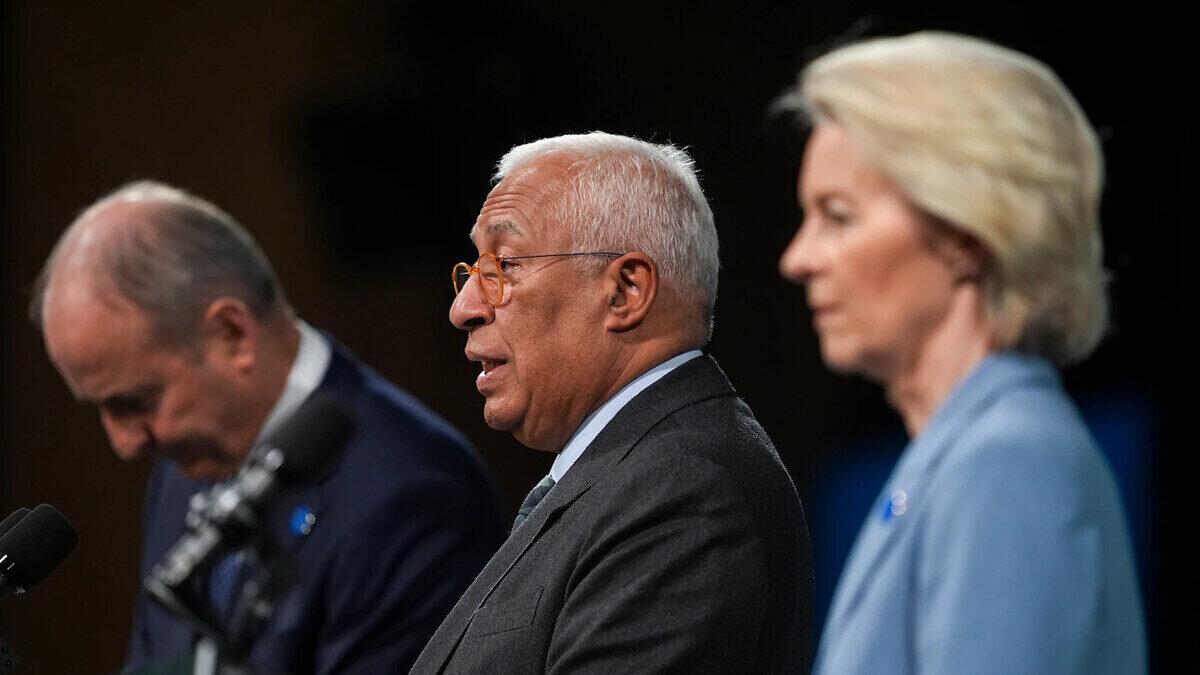
European Union leaders agreed on a joint team for Ukraine peace talks at an informal summit in Dublin on November 13, 2026, but the Kremlin said it has not yet agreed to let Europeans join the US-mediated negotiations. The talks so far have involved only Russian, Ukrainian and US officials.
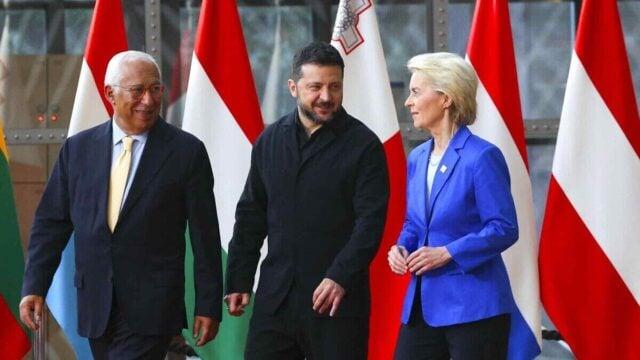
European Council President António Costa said the team would comprise EU institutions and representatives of Britain, France, Germany, Italy and Poland. "Europe must speak with one clear and united voice in all discussions that shape the future of Ukraine and the security of our continent," he said.
Kremlin spokesman Dmitry Peskov said Moscow would decide on an expanded format once it understood Europe's intentions. "Once we understand their genuine intention and readiness to contribute to the peace process, then it will be possible to make a decision on holding dialogue on a Ukrainian settlement in an expanded format," he said.
His remarks cut across statements from Ukrainian President Volodymyr Zelensky and US envoy Jared Kushner, who said Europeans would join the next round. Kushner and fellow US envoy Steve Witkoff met Russian President Vladimir Putin in Moscow on November 12, then briefed Zelensky in Dublin.
Kushner said a peace agreement could not be concluded without Europeans at the table. Peskov said Moscow was prepared to speak with an authorized European representative.
Who speaks for Europe
The summit followed a debate over whether Europe should name a single envoy. Costa and EU foreign policy chief Kaja Kallas were among the names discussed.
Italian Prime Minister Giorgia Meloni had warned in a letter to Costa that overlapping diplomatic initiatives and competing negotiating formats were undermining Europe's credibility. Kallas argued her 2024 appointment gave her a mandate to represent the bloc on foreign and security policy.
Kallas said she knew the Russians did not want her, but argued Europe has no say over who represents Russia either.
German Chancellor Friedrich Merz defended the existing E3 format of France, Germany and Britain, saying it had worked well with Italy and Poland also involved. He said it was a "given" that Germany would be part of any European delegation.
Merz also rejected Russia's call to discuss European security architecture. "We do not need to discuss that; it already exists," he said.
Talks so far
In the latest round in Abu Dhabi, European officials met the Ukrainian delegation separately but did not take part in the discussions between Russian and Ukrainian representatives.