Anthony Albanese Caught Between Climate Pledges and Coal at COP31
Australian Prime Minister Anthony Albanese used a short visit to the COP31 climate summit in Antalya, Türkiye, to put Pacific nations at the center of his pitch. He avoided naming fossil fuels, even as the UN chief criticized countries expanding production.
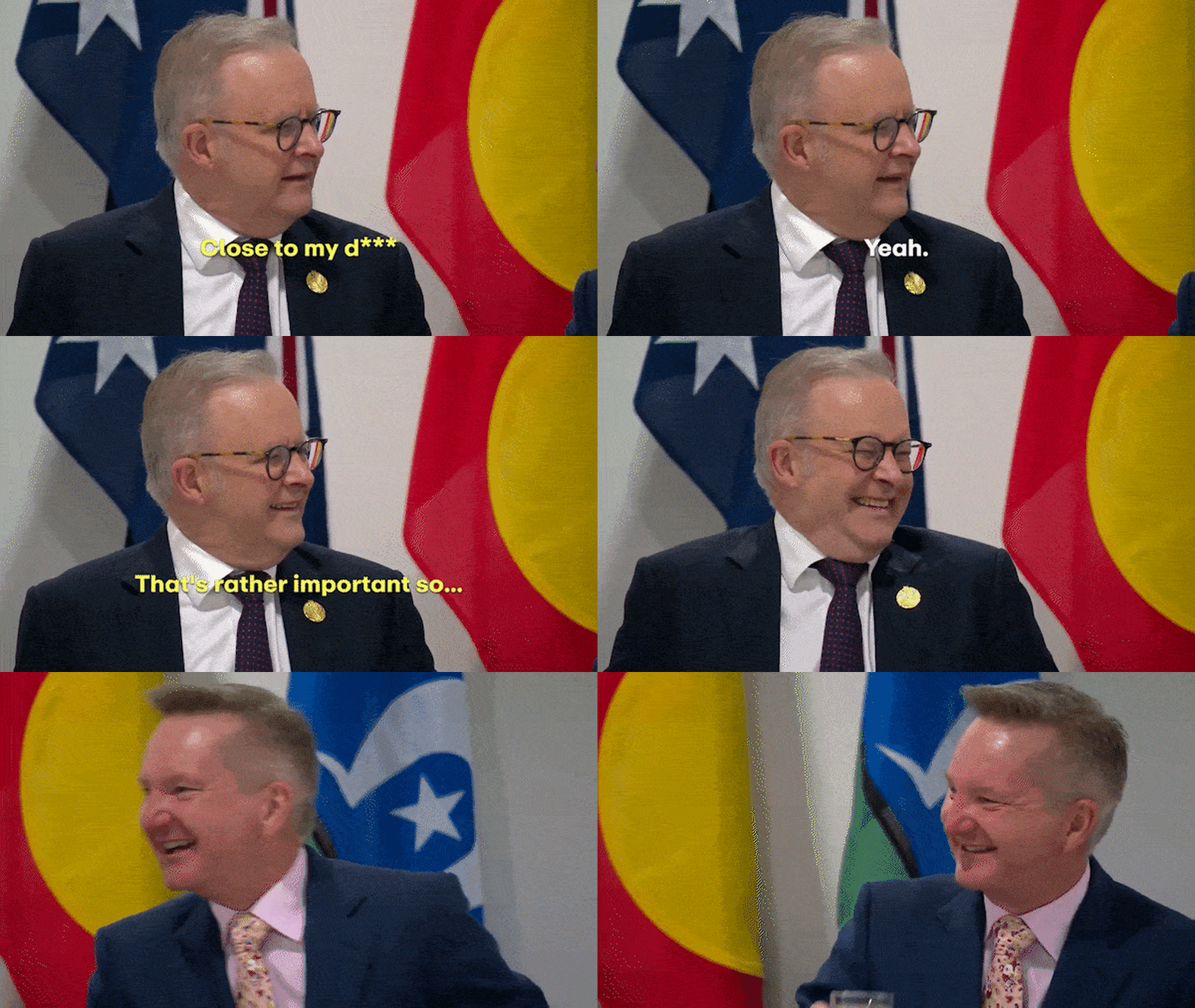
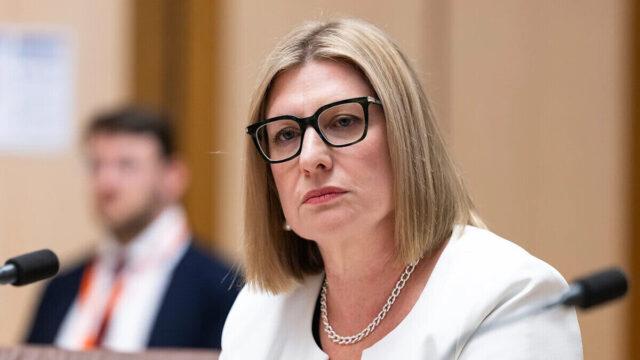
Australian Prime Minister Anthony Albanese spent a two-and-a-half-day visit to the COP31 UN climate summit in Antalya, Türkiye, pressing the case of Pacific island nations while avoiding any mention of fossil fuels, leaving Anthony Albanese caught between climate ambition and political reality at home.
He flew in on the first day of the leaders' segment and left two days later. Australia's climate change and energy minister, Chris Bowen, is president of this year's negotiations.
Albanese stood with seven Pacific leaders at his only press conference and said he was proud of what Australia was doing to help them access climate funding. In his plenary speech he read a message from Melelusi Sokotia, a 13-year-old student in Tuvalu, who said she had a "simple dream" to grow up safely on the island.
The speech landed awkwardly. Albanese followed UN Secretary-General António Guterres, who told delegates "fossil fuel interests keep making a killing … while killing our planet". Guterres added that developed countries "cannot keep expanding fossil fuel production while claiming to be committed to 1.5 degrees".
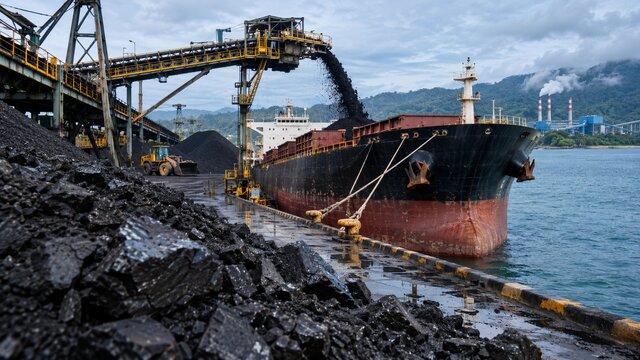
Guterres did not name Australia. Australia is the second-largest exporter of thermal coal, the largest exporter of coal for steelmaking and responsible for a fifth of seaborne liquefied natural gas.
Albanese called this the "critical decade" and said he was "proud to be a leader on climate action". Asked later why he left fossil fuels out, he said you could "pick out any number of things that weren't in what was a short speech".
A report from the research groups Germanwatch and New Climate Institute ranked Australia a "very low" performer on climate policy and efforts.
Pacific diplomacy and home politics
Bowen said Guterres's remarks reflected a long-held view and were not aimed at any single country. He and Albanese have defended the government's stance by stressing energy that is reliable and affordable as well as sustainable.
Bowen also said the Middle East war and the oil crisis that followed had strengthened the case for electrification and renewables, even in countries that do not rank climate as a top priority. He was cautious about the chances of a late push to put a global road map away from fossil fuels on the agenda.
At home, the pressure runs the other way. The far-right One Nation party, which rejects climate science, is level with Albanese's Labor in the polls. The opposition Liberal party wants to scrap net zero climate goals, and the Coalition has attacked the cost of the summit.
Albanese appeared alongside Pacific leaders throughout, and they defended Australia's role. "By ourselves, the small islands sometimes are not heard," Palau President Surangel Whipps Jr said.
 Take the quizWhat Kind of Holiday Spender Are You? Take the Black Friday QuizStart →
- 1Column: 4 Reasons to Eat Dark Chocolate, Dietitians Say

- 2Aspyn Ovard Reveals Daughter Has Terminal Cancer on Mormon Wives

- 3Chrissie Swan, 52, Tears Up Over Secret Surprise While Recovering

- 4Canadiens Expected to Re-Sign Josh Anderson at Lower Salary, Insider Says

- 5Meghan Markle Plans US Return to See Mother After Father’s Arrest

 Lifestyle7 Quiet Habits of Emotionally Intelligent People, According to Psychologists
 LifestylePeople Who Don’t Like Celebrating Their Birthday Often Share These 7 Traits
 Lifestyle · Food & HealthVitamin D in Winter: Do You Need a Supplement, and How Much?
 Lifestyle · Food & HealthWhat Is Seasonal Affective Disorder? Signs, Causes and What Helps