Leaving Apple Slices on the Lawn: Which Birds Come, and the Risks
Bird lovers say leaving apple slices on the lawn in winter can draw robins, thrushes and waxwings that skip seed feeders. Guidance published November 15, 2026 explains how to cut the fruit, where to put it and why a raised plate beats bare grass.
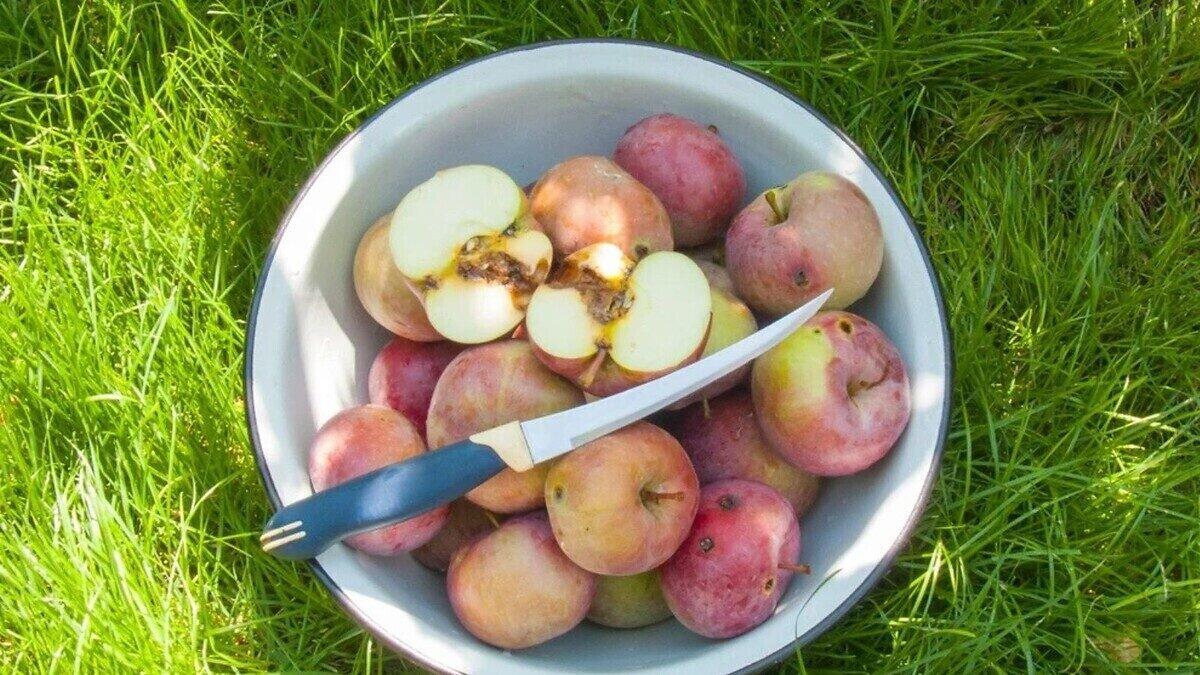
Bird lovers recommend leaving apple slices on the lawn in winter to attract fruit-eating birds such as robins, thrushes, bluebirds, waxwings, mockingbirds and catbirds, according to feeding guidance published November 15, 2026. The same advice says the slices should sit on a raised plate, not bare grass.
Most backyard feeders hold sunflower seed, suet and peanuts. That suits many birds, but not all. Fruit lovers may ignore a hanging seed feeder yet stop for fresh apple within easy reach.
Why apple, and why sliced
In cold months, many resident songbirds rely more on fruit and seeds as insects and soft plant foods fade. When snow or ice covers their natural food, an apple becomes especially welcome. A winter feeding handout from a bird-conservation group lists sliced apples among fresh fruit options.
A whole apple has smooth, taut skin. Slicing exposes the moist flesh and leaves thin edges birds can grip and peck without working through the peel.
Several small pieces also leave room for more visitors than one apple rolling around the grass. Keeping them low helps birds that dislike balancing on a swinging tube feeder.
How to set it out
Start small. Use half of one medium, fresh apple. A bruised but sound one from the fruit bowl works. Wash it, peel off the produce sticker and cut it into six slices about 1/4 inch thick.
Lay the pieces cut-side up on a shallow, washable plate or a low platform a few inches above the grass. Put it out after sunrise, near shrubs where birds can dart for cover, but where you can still see it from indoors. Serve the apple plain.
Check after two or three hours and bring in every leftover by dusk. If slices freeze solid, put out a fresh serving during the warmest part of the day. Wash the plate in hot, soapy water before reuse. Add more apple only once birds are finishing everything.
Be patient. Birds first have to notice the food, then decide the spot feels safe. Put it in the same place for several mornings.
Risks of bare grass
Bare grass exposes fruit to dampness, droppings, mold, bacteria, fertilizers and pesticides. A raised feeding station keeps fruit away from those hazards.
Remove fruit daily. Stop if it molds or sick birds appear. Skip ground feeding where cats hunt.
Apple only supplements a bird's winter diet, and leftovers can draw rodents or raccoons. For steadier food over the long run, the guidance points to native berry-producing shrubs.
 Take the quizWhat Kind of Holiday Spender Are You? Take the Black Friday QuizStart →
- 1Column: 4 Reasons to Eat Dark Chocolate, Dietitians Say
- 2Chrissie Swan, 52, Tears Up Over Secret Surprise While Recovering

- 3Aspyn Ovard Reveals Daughter Has Terminal Cancer on Mormon Wives

- 4Canadiens Expected to Re-Sign Josh Anderson at Lower Salary, Insider Says

- 5Meghan Markle Plans US Return to See Mother After Father’s Arrest

 Lifestyle7 Quiet Habits of Emotionally Intelligent People, According to Psychologists
 LifestylePeople Who Don’t Like Celebrating Their Birthday Often Share These 7 Traits
 Lifestyle · Food & HealthVitamin D in Winter: Do You Need a Supplement, and How Much?
 Lifestyle · Food & HealthWhat Is Seasonal Affective Disorder? Signs, Causes and What Helps