UKHSA Issues Urgent 48-Hour Stay-Home Warning as Norovirus Rises
The UK Health Security Agency says norovirus cases are rising, with 2,111 laboratory reports this season. People with symptoms should stay home until 48 hours after they stop, and hand sanitiser will not kill the virus, the agency warned.
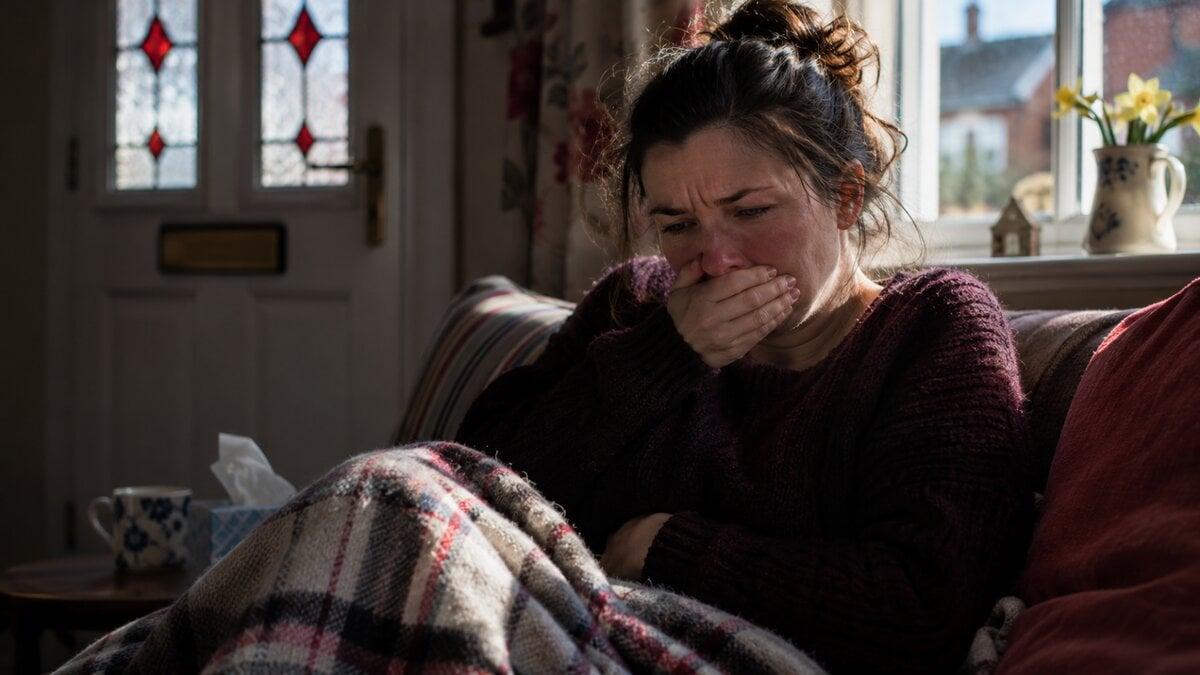
The UK Health Security Agency (UKHSA) has issued an urgent 48-hour stay-at-home warning as norovirus cases rise in England, telling anyone with symptoms to keep away from school, work and hospitals until two days after they stop.
Posting on X, the agency said there have been 2,111 laboratory reports of norovirus so far this season. That is 16.8% above the five-season average for the same period.
The figure remains within expected levels, according to the UKHSA. But the agency said the infection has begun to increase, with 257 reports over the two weeks up to last week.
What the advice says
Norovirus is often called the winter vomiting bug, although people can catch it at any time of year. It causes vomiting and diarrhoea and spreads easily where people are in close contact, including hospitals, care homes, cruise ships, schools and nurseries.
The UKHSA previously said: "Norovirus is incredibly infectious, so if you're feeling unwell stay home for 48 hours after symptoms stop as you are still infectious during this time." It also warned that hand sanitiser will not work to prevent the illness.
People can catch the virus more than once in a short period. Several genotypes, or types, circulate at the same time, and immunity to one strain does not stop infection by another.
Steps the NHS recommends
The NHS says alcohol hand gels do not kill norovirus. It advises washing hands with soap and water after using the toilet or changing nappies, and before preparing, serving or eating food.
Other NHS steps include:
Washing clothes and bedding soiled with faeces or vomit at 60C, separately from other laundry. Cleaning toilet seats, flush handles, taps and bathroom door handles. Avoiding contact with others as much as possible.
Anyone with symptoms should not go to school, nursery or work until they have gone two days without being sick or having diarrhoea. They should also avoid visiting hospitals or care homes for the same period.
The NHS says symptoms can appear suddenly and usually include nausea, vomiting and diarrhoea. It describes the illness as "very unpleasant, but usually gets better in about 2 days."
Most cases can be treated at home, the NHS says, with plenty of fluids to avoid dehydration. People usually start to feel better in two to three days.
Anyone with diarrhoea for more than seven days, or a child or adult vomiting for more than two days, should call 111.
 Take the quizWhat Kind of Holiday Spender Are You? Take the Black Friday QuizStart →
- 1Column: 4 Reasons to Eat Dark Chocolate, Dietitians Say

- 2Aspyn Ovard Reveals Daughter Has Terminal Cancer on Mormon Wives

- 3Canadiens Expected to Re-Sign Josh Anderson at Lower Salary, Insider Says

- 4Chrissie Swan, 52, Tears Up Over Secret Surprise While Recovering

- 5Box Office: Johnny Depp’s Ebenezer Rings Up $7.1M on Friday

 Lifestyle7 Quiet Habits of Emotionally Intelligent People, According to Psychologists
 LifestylePeople Who Don’t Like Celebrating Their Birthday Often Share These 7 Traits
 Lifestyle · Food & HealthVitamin D in Winter: Do You Need a Supplement, and How Much?
 Lifestyle · Food & HealthWhat Is Seasonal Affective Disorder? Signs, Causes and What Helps