WHO Statement From Forty-Sixth Polio Meeting Counts 29 Cases in 2026
The World Health Organization's statement on its 46th polio emergency committee meeting reports 29 wild poliovirus cases in 2026, 25 in Afghanistan and four in Pakistan. The committee called the overall trend downward but warned of continued transmission in three high-risk areas.
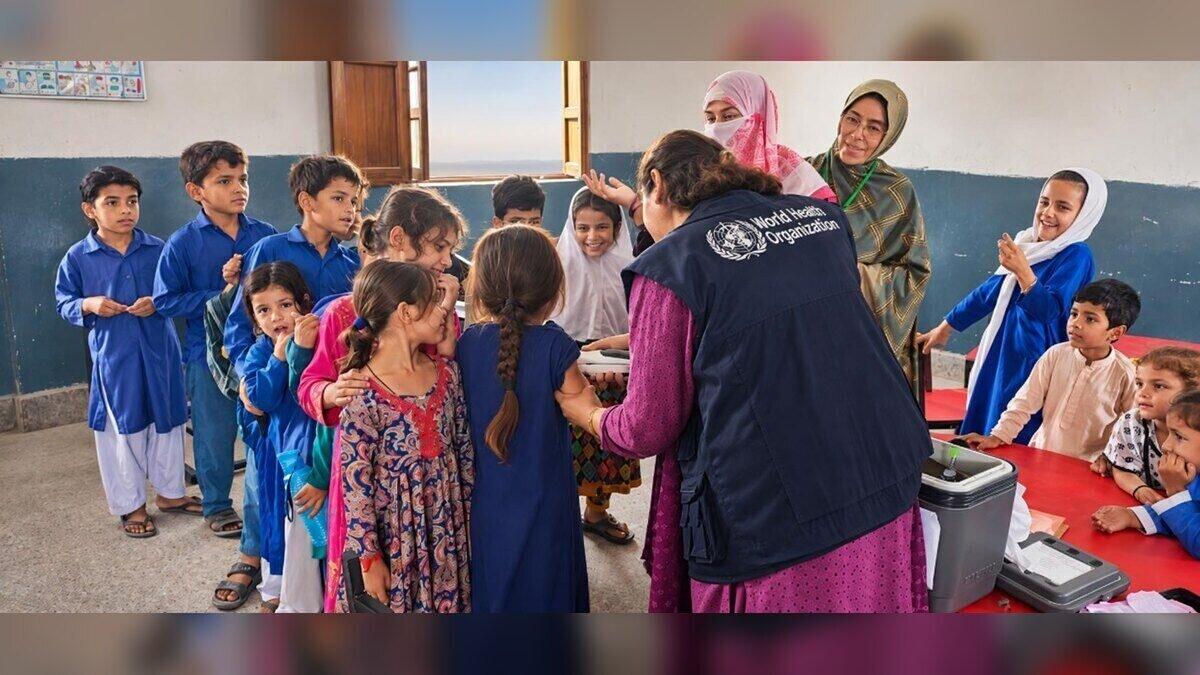
The World Health Organization's statement from the forty-sixth meeting of its polio emergency committee reports 29 wild poliovirus type 1 (WPV1) cases worldwide so far in 2026. Twenty-five were in Afghanistan and four in Pakistan.
The WHO Director-General convened the committee on September 30, 2026, by video conference with affected countries. It met under the International Health Regulations, the global rules on international health threats.
Since the committee's last meeting in May 2026, 25 new WPV1 cases have been reported: 22 in Afghanistan and three in Pakistan. The Afghan cases came from the South and East regions. Pakistan's cases came from Khyber Pakhtunkhwa (KP) province.
The 2026 count compares with 52 cases in 2025 (21 in Afghanistan, 31 in Pakistan) and 99 in 2024.
Environmental surveillance, which tests sewage and similar samples for the virus, found 204 WPV1-positive samples so far in 2026. Of those, 76 came from Afghanistan and 128 from Pakistan. In 2025 there were 747 positive samples: 94 from Afghanistan, 651 from Pakistan and two from Germany. Germany has reported no further detections since the first half of October 2025.
The committee said the overall trajectory of cases and positive samples is declining. It still noted with concern that transmission continues in both endemic countries.
Three areas of concern
The committee said sustained local transmission is concentrated in the South Region of Afghanistan, South Khyber Pakhtunkhwa and Karachi, Pakistan. It called southern Afghanistan the area of greatest concern, citing intense transmission and low population immunity.
Operational and security challenges in southern Khyber Pakhtunkhwa impede high-quality vaccination. The committee was encouraged that fewer children went unvaccinated after the two most recent campaigns there. It stressed the need for consistent access to all children in upcoming rounds.
Karachi has seen a significant decline in environmental positivity in 2026 but still shows local transmission in some areas. The committee said this points to pockets of low immunity that keep the wider region at risk.
It also noted progress in the northern corridor, covering Peshawar in Pakistan and the East Region of Afghanistan. But detections in Peshawar rose slightly. Detections in eastern Afghanistan have trended upward over the last six months, mostly from introductions from the south. The committee said the gains remain fragile.
The committee reviewed the situation against global targets: interrupting endemic WPV1 transmission in 2026 and stopping outbreaks of circulating vaccine-derived poliovirus type 2 by 2028. It also received technical updates on the Central African Republic, the Democratic Republic of Congo, Ethiopia, South Sudan and Sudan.
 Take the quizWhat Kind of Holiday Spender Are You? Take the Black Friday QuizStart →
- 1Column: 4 Reasons to Eat Dark Chocolate, Dietitians Say

- 2Chrissie Swan, 52, Tears Up Over Secret Surprise While Recovering

- 3Aspyn Ovard Reveals Daughter Has Terminal Cancer on Mormon Wives

- 4Meghan Markle Plans US Return to See Mother After Father’s Arrest

- 5NYC Medical Examiner Has Not Determined Cause of Death of Beau Rose Jessup

 Lifestyle7 Quiet Habits of Emotionally Intelligent People, According to Psychologists
 LifestylePeople Who Don’t Like Celebrating Their Birthday Often Share These 7 Traits
 Lifestyle · Food & HealthVitamin D in Winter: Do You Need a Supplement, and How Much?
 Lifestyle · Food & HealthWhat Is Seasonal Affective Disorder? Signs, Causes and What Helps