Iran War Hormuz Attacks Fail to Spark Oil Shock as Brent Slips
More than eight months into the Iran war, attacks near the Strait of Hormuz have not triggered the oil price spike analysts feared. Gulf producers are pumping more, futures fell almost 25% in a month, and the IEA says supply now outpaces demand.
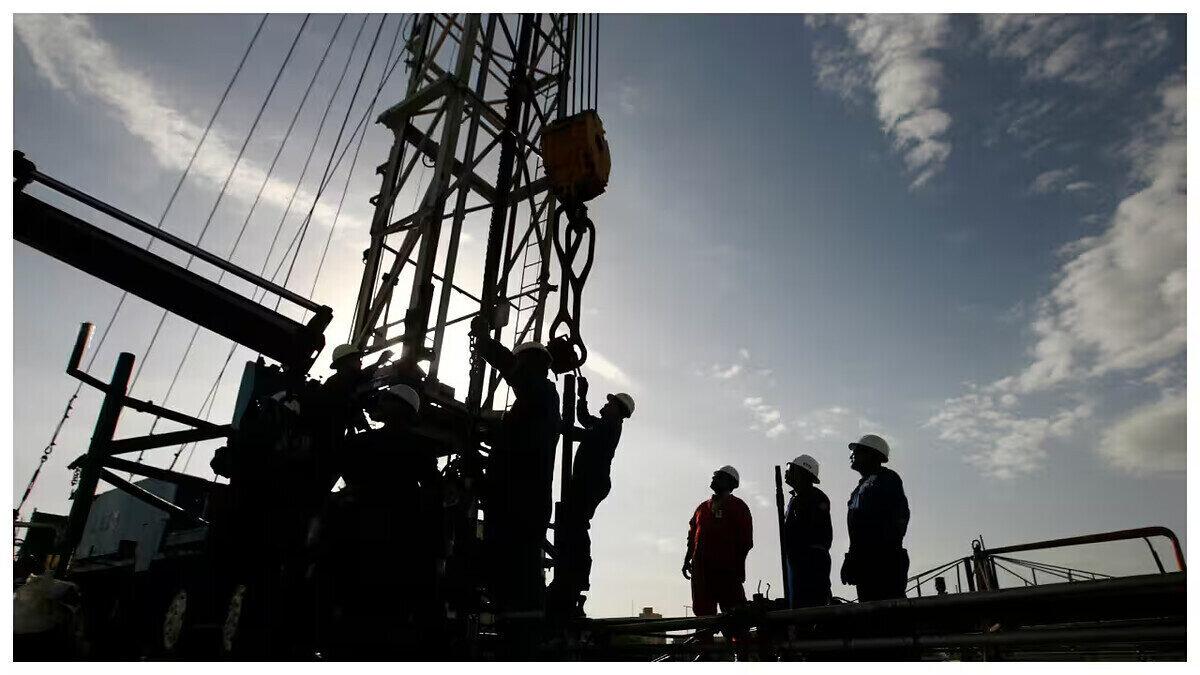
Oil prices fell sharply in November even as the Iran war, now in its ninth month, kept producing attacks near the Strait of Hormuz. Futures were down almost 25% for the month at one point this week, and Brent crude dipped below $90 a barrel.
The reason is supply. Gulf producers have pumped more crude, and output elsewhere is at records.
Gulf output climbs
Saudi Arabia, the de facto leader of the Organization of the Petroleum Exporting Countries (OPEC), said it pumped 10.5 million barrels a day in October. That level has been reached only once since 2022. Iraq and Kuwait also reported big increases.
The United Arab Emirates is now free of OPEC quotas, so it can pump as much as it wants. Gulf shipments edged lower this week but stayed healthy despite a string of attacks, according to TankerTrackers.com Inc.
Prices for physical cargoes have also dropped, as producers compete for customers and steep shipping costs begin to ease.
Markets turn to surplus
The International Energy Agency (IEA) said on Friday that oil supply was outpacing demand for the first time since the war began. It described the market as showing "tentative signs of rebalancing."
Production outside the Gulf helped. Weekly US crude output topped 14 million barrels a day for the first time, and the latest figures from Brazil and Guyana were all records.
For drivers, the relief is visible. US retail gasoline has fallen below $4 a gallon for the first time since July, according to the American Automobile Association.
Risks remain
The recovery is fragile. Attacks have killed at least one seafarer this month, and spilled oil is washing ashore on beaches in the region. Iranian media have claimed attacks on navigational equipment near Hormuz, so flows could slow at any moment.
Some prices remain high. European diesel trades at about $170 a barrel. Shipping US crude to Asia adds roughly 20% to the price of American oil, more than double the premium a year ago, though freight costs are well below the extremes of a month ago.
Before the conflict, about a fifth of the world's oil moved through Hormuz, and analysts warned a closure could push crude above $200 a barrel. Shippers have kept sailing instead. "For us national shipping companies, there is no choice," said Khalid Alhammad, president of ship management for Saudi vessel owner Bahri, at a conference in Dubai. "We still have to go through the Strait of Hormuz."
At Adipec, the Middle East's biggest oil conference, senior executives agreed that crude markets look well supplied heading into 2027. Further price declines could ease inflation, though efforts to rebuild stockpiles depleted during the war could limit how far prices fall.
 Take the quizWhat Kind of Holiday Spender Are You? Take the Black Friday QuizStart →
- 1Column: 4 Reasons to Eat Dark Chocolate, Dietitians Say

- 2Chrissie Swan, 52, Tears Up Over Secret Surprise While Recovering

- 3Aspyn Ovard Reveals Daughter Has Terminal Cancer on Mormon Wives

- 4Meghan Markle Plans US Return to See Mother After Father’s Arrest

- 5NYC Medical Examiner Has Not Determined Cause of Death of Beau Rose Jessup

 Lifestyle7 Quiet Habits of Emotionally Intelligent People, According to Psychologists
 LifestylePeople Who Don’t Like Celebrating Their Birthday Often Share These 7 Traits
 Lifestyle · Food & HealthVitamin D in Winter: Do You Need a Supplement, and How Much?
 Lifestyle · Food & HealthWhat Is Seasonal Affective Disorder? Signs, Causes and What Helps