Cantacronache Smuggled Spanish Antifascist Songs Into a Songbook
Four Italian members of the Cantacronache collective crossed into Spain in 1961 to record songs resisting Francisco Franco’s dictatorship. Their work became a 1962 songbook, then faded from public view. A new documentary retraces the journey and revives the recordings for protest movements.
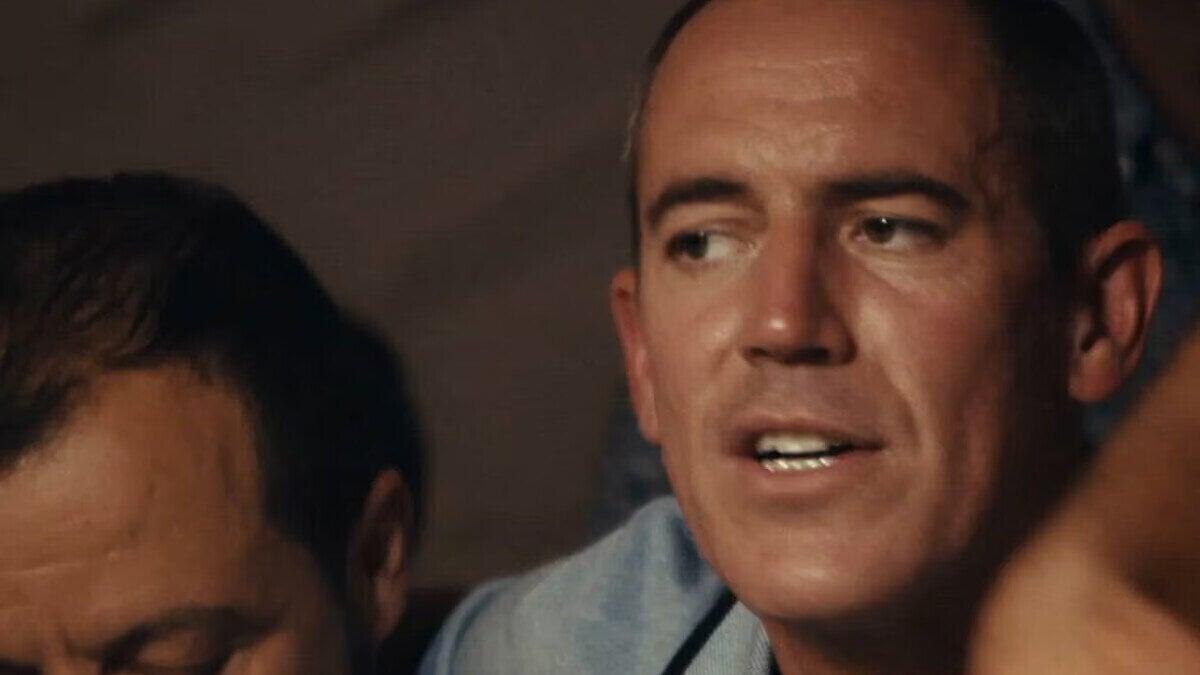
Four Italian members of the Cantacronache collective crossed into Spain in 1961 to record songs opposing Francisco Franco’s dictatorship, creating a songbook that later embarrassed the regime. The mission to preserve that music is now retraced in a documentary, renewing interest in a musical record of resistance movements.
They carried microfilm, a tape recorder and matchbooks concealing addresses of Spanish antifascists. Discovery could have meant prison or worse.
Alongside writer and musician Sergio Liberovici were Michele Luciano Straniero, Emilio Jona and Margherita Galante Garrone. Their left-wing collective, formed in 1958, aimed to challenge what it saw as superficial Italian pop music.
The Italian record label Italia Canta, linked to the Italian Communist Party, financed the trip. The four spent a month collecting dozens of songs from Spanish workers, intellectuals, musicians and poets.
Some songs mourned life under the dictatorship; others directly insulted Franco. Together, they conveyed a breadth of opposition that triggered an international scandal when the group published the 1962 songbook Canti della Nuova Resistenza Spagnola (“Songs of the New Spanish Resistance”).
The work later fell from public attention until academics found it in archives. Filmmaker Pablo Gil Rituerto came across the songbook in a Barcelona shop and searched for its sound archive in Turin, where it had remained unpublished for 60 years.
“I realised there was a sound archive and I kept searching until I found it in Turin, where it had remained unpublished for 60 years,” Rituerto said.
His documentary, La Marsellesa de los Borrachos (“The Drunkmen’s Marseillaise”), retraces the 1961 journey and is premiering in the United Kingdom this month. Rituerto meets people connected to the clandestine trip and brings the recordings back into view.
In Barcelona, Asunción Carandell, widow of Catalan poet and writer José Agustín Goytisolo, hears her husband sing in a recording she had never heard. “When she recognises the voice, her gaze changes,” Rituerto said. “That moment stayed with us.”
The film also follows former miners in Asturias singing Santa Bárbara Bendita, an anthem of a 1962 miners’ strike. Contemporary musicians, including Nacho Vegas, reinterpret songs that drew on older folk standards.
One such song transformed an elegy for a donkey carrying vinegar into a tune anticipating Franco’s demise. The documentary’s return to these recordings connects music made under dictatorship with present-day performers.
Franco’s 1939 coup defeated the Republic. Thousands were disappeared, political prisoners worked in overcrowded labor camps, civilians faced rationing and famine, and Catalan, Basque and Galician were banned from public life.
Spain began modernizing by the 1960s, while state repression continued behind the so-called economic miracle. Franco promoted folk and pop music when its messages supported national identity or stayed apolitical.
“Expressing opposition to the dictatorship or celebrating the Republic attracted censorship and repression,” said Marco Antonio de la Ossa Martínez, a professor at the University of Castilla-La Mancha.
 Take the quizWhat Kind of Holiday Spender Are You? Take the Black Friday QuizStart →
- 1I’m A Celebrity 2026 Line-Up: Rooney Leads 11 Stars Into Jungle

- 2Mavericks Surfers Race to California for Waves Near 50 Feet

- 3NYC Medical Examiner Has Not Determined Cause of Death of Beau Rose Jessup

- 4Mountaineer Finds Ice Age Cave Bear Graveyard in the Dolomites

- 5Rugby League World Cup Final 2026: Kick-Off Times and How to Watch Kangaroos v New Zealand

 Lifestyle7 Signs Your Social Battery Is Running Low (and Why You Keep Cancelling Plans)
 Lifestyle · Food & HealthThanksgiving Food Safety: How Long Leftovers Last and the Safe Turkey Temperature
 Lifestyle7 Quiet Habits of Emotionally Intelligent People, According to Psychologists
 LifestylePeople Who Don’t Like Celebrating Their Birthday Often Share These 7 Traits