Rwanda to Host First-Ever Return Hub for Migrants From Five EU States
Denmark, Austria, Germany, the Netherlands and Greece are preparing a pilot return hub in Rwanda for migrants deported from the bloc. The facility could host a few hundred people from spring or summer 2027, as rights groups and legal experts question whether the plan complies with European and international law.
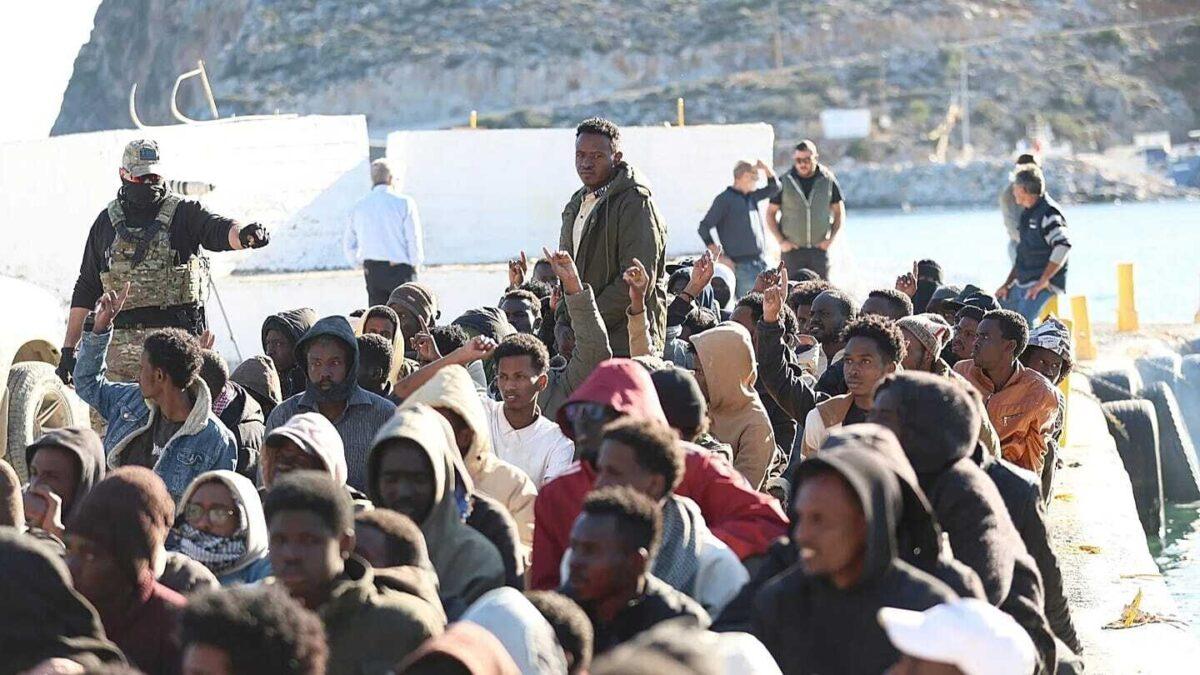
Denmark, Austria, Germany, the Netherlands and Greece are preparing a first-ever return hub for migrants in Rwanda, with a pilot project expected to be announced in Vienna on Monday. The plan would send people deported from the five European Union countries to a country with which they have no connection.
The hub could host a few hundred people from spring or summer 2027, according to the governments’ negotiations with Rwanda. The project has drawn scrutiny over migrants’ rights and its compatibility with EU law.
Rwanda’s Interior Minister Vincent Biruta is due to join the five countries’ interior and migration ministers at a conference in Vienna. Austrian Chancellor Christian Stocker and Danish Prime Minister Mette Frederiksen are also scheduled to announce the deal at a press conference.
The proposed facility would use open accommodation. Migrants would receive residence permits and be free to move around Rwanda, with the stated aim of integrating them into local society and the labor market.
Return hubs are intended as temporary accommodation for migrants awaiting deportation to their countries of origin. But there would be no time limit on stays, raising the possibility that people could remain stranded in Rwanda without being sent home.
The five governments say the project would meet EU law and international obligations. They have said it would operate with international organizations, including the Office of the United Nations High Commissioner for Refugees and the International Organization for Migration.
Neither organization is directly involved in negotiations over procedures, and both could withdraw if conditions are not met. An International Organization for Migration spokesperson said the agency’s support requires a formal request from Rwanda’s government and assurances that safeguards are in place.
The EU’s rules allow member states to establish return hubs in non-EU countries only where international human rights standards are respected. The United Nations has raised concerns about Rwanda’s human rights record.
A similar UK agreement with Rwanda to send asylum seekers there was ruled unlawful by the UK Supreme Court in 2023 because of the risk of human rights abuses. Italian migration law expert Eleonora Celoria warned that migrants under the new system “may be subjected to torture and inhuman or degrading treatment.”
The European Court of Human Rights bars countries from transferring people to states or situations where they may face violations of fundamental rights. The EU border agency Frontex could take part in deportations if the European Parliament and member states approve a proposed reform of its mandate.
The five countries would cover the full cost of deportations and accommodation in Rwanda.
 Take the quizWhat Kind of Holiday Spender Are You? Take the Black Friday QuizStart →
- 1I’m A Celebrity 2026 Line-Up: Rooney Leads 11 Stars Into Jungle

- 2Mavericks Surfers Race to California for Waves Near 50 Feet

- 3NYC Medical Examiner Has Not Determined Cause of Death of Beau Rose Jessup

- 4Mountaineer Finds Ice Age Cave Bear Graveyard in the Dolomites

- 5Rugby League World Cup Final 2026: Kick-Off Times and How to Watch Kangaroos v New Zealand

 Lifestyle7 Signs Your Social Battery Is Running Low (and Why You Keep Cancelling Plans)
 Lifestyle · Food & HealthThanksgiving Food Safety: How Long Leftovers Last and the Safe Turkey Temperature
 Lifestyle7 Quiet Habits of Emotionally Intelligent People, According to Psychologists
 LifestylePeople Who Don’t Like Celebrating Their Birthday Often Share These 7 Traits