Japan Weighs Nuclear Ship Port Calls in Break From 1967 Ban
Japan's government is considering wording in its security documents that would let US warships carrying nuclear weapons call at its ports in emergencies, challenging principles in place since 1967. The LDP and coalition partner are divided, according to a report.
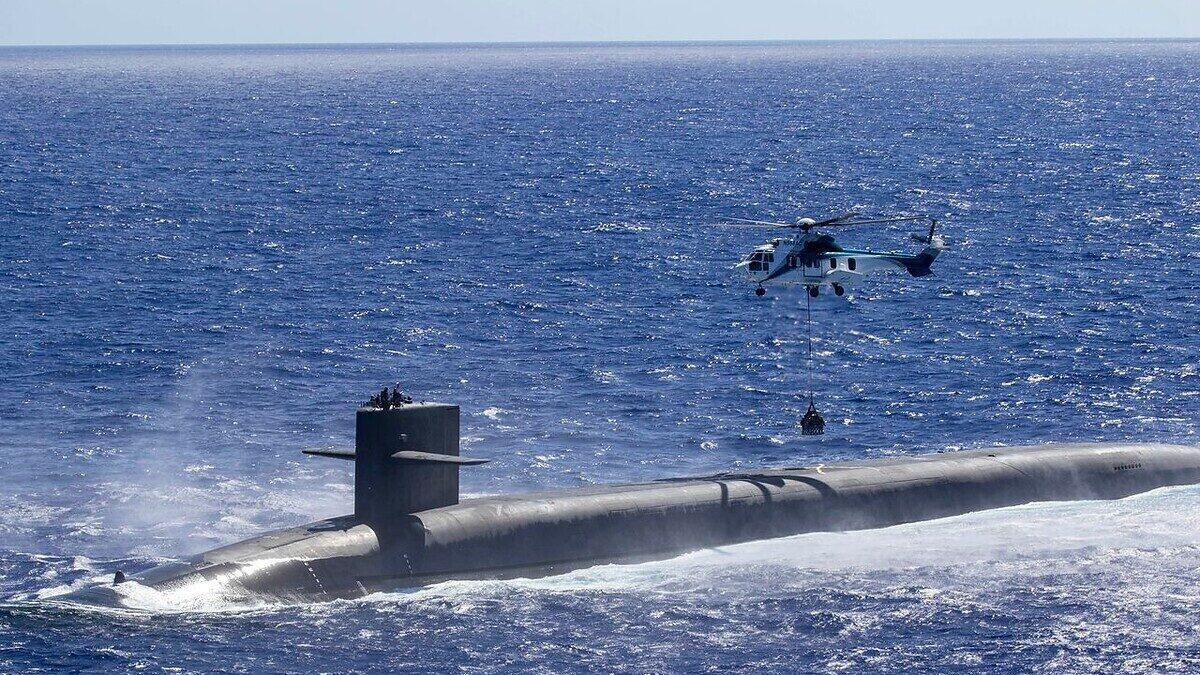
Japan's government is considering an exception to its 59-year nuclear policy that would allow US warships carrying nuclear weapons to call at Japanese ports in emergencies, according to a report by the Asahi Shimbun. The change would be written into the country's three major security documents, including the National Security Strategy due for revision in late 2026.
It would put the Three Non-Nuclear Principles under their biggest strain in decades. Prime Minister Eisaku Sato set them out on December 11, 1967, in the House of Representatives Budget Committee: Japan shall not possess, produce or permit the introduction of nuclear weapons.
Tokyo is now pointing to what it calls extreme emergencies where there are no other means to defend the nation. It is using that caveat to argue that the US nuclear umbrella, known as extended deterrence, must work in practice during a crisis.
Pressure from Northeast Asia
Supporters of a review cite China's rapid expansion of its nuclear forces and North Korea's advancing nuclear and missile programs. Conservatives and security experts argue that conventional defenses alone offer limited deterrence.
Japan leans heavily on the US nuclear deterrent. A growing pragmatic view holds that Tokyo must be able to make use of US nuclear submarines and aircraft carriers.
Prime Minister Sanae Takaichi told parliament on October 14 that the wording of strategic documents could be refined to reflect this stance. She has previously said past bans on introducing nuclear weapons do not fit a reality that depends on US nuclear deterrence. Defense Minister Shinjiro Koizumi urged open discussion of nuclear matters last July.
The idea has a precedent. On March 17, 2010, then-Foreign Minister Katsuya Okada told the House of Representatives Committee on Foreign Affairs that if protecting national security required temporary port calls by US nuclear-armed vessels with no alternative, the government would have to make that decision and explain it to the public.
Coalition divided
Consensus looks hard to reach. Inside the ruling Liberal Democratic Party (LDP), some members worry that allowing nuclear-armed ships in could provoke fresh tensions with neighboring countries.
The coalition partner, the Japan Innovation Party, takes the opposite view. It argues that US nuclear submarines armed with nuclear cruise missiles may visit in future, so the ban on introducing nuclear weapons must be actively debated.
US Navy warns on Chinese and Russian fleets
Separately, Capt. Christopher Cavanaugh, commander of the US Pacific Fleet Submarine Force, spoke at the Submarine League's 2026 Annual Symposium about adversary fleets in the Pacific. He said the Chinese and Russian navies are growing their submarine fleets at a rapid pace.
Cavanaugh said the Chinese Navy commissioned eight Type 093B nuclear-powered attack submarines in less than four years. The US expects China to keep a similar building pace, and is watching for the possibility of 20 to 40 additional hulls.
 Take the quizWhat Kind of Holiday Spender Are You? Take the Black Friday QuizStart →
- 1Mavericks Surfers Race to California for Waves Near 50 Feet

- 2I’m A Celebrity 2026 Line-Up: Rooney Leads 11 Stars Into Jungle

- 3NYC Medical Examiner Has Not Determined Cause of Death of Beau Rose Jessup

- 4Mountaineer Finds Ice Age Cave Bear Graveyard in the Dolomites

- 5Rugby League World Cup Final 2026: Kick-Off Times and How to Watch Kangaroos v New Zealand

 Lifestyle7 Signs Your Social Battery Is Running Low (and Why You Keep Cancelling Plans)
 Lifestyle · Food & HealthThanksgiving Food Safety: How Long Leftovers Last and the Safe Turkey Temperature
 Lifestyle7 Quiet Habits of Emotionally Intelligent People, According to Psychologists
 LifestylePeople Who Don’t Like Celebrating Their Birthday Often Share These 7 Traits