Tokyo Team Revives Hunt for Augustus Villa Near Vesuvius
A University of Tokyo excavation team at the Somma Vesuviana ruins in Italy has found part of a building that may be the lost villa of Emperor Augustus. A researcher on the project says the evidence has built since 2019, and a prizewinning film now documents the dig.
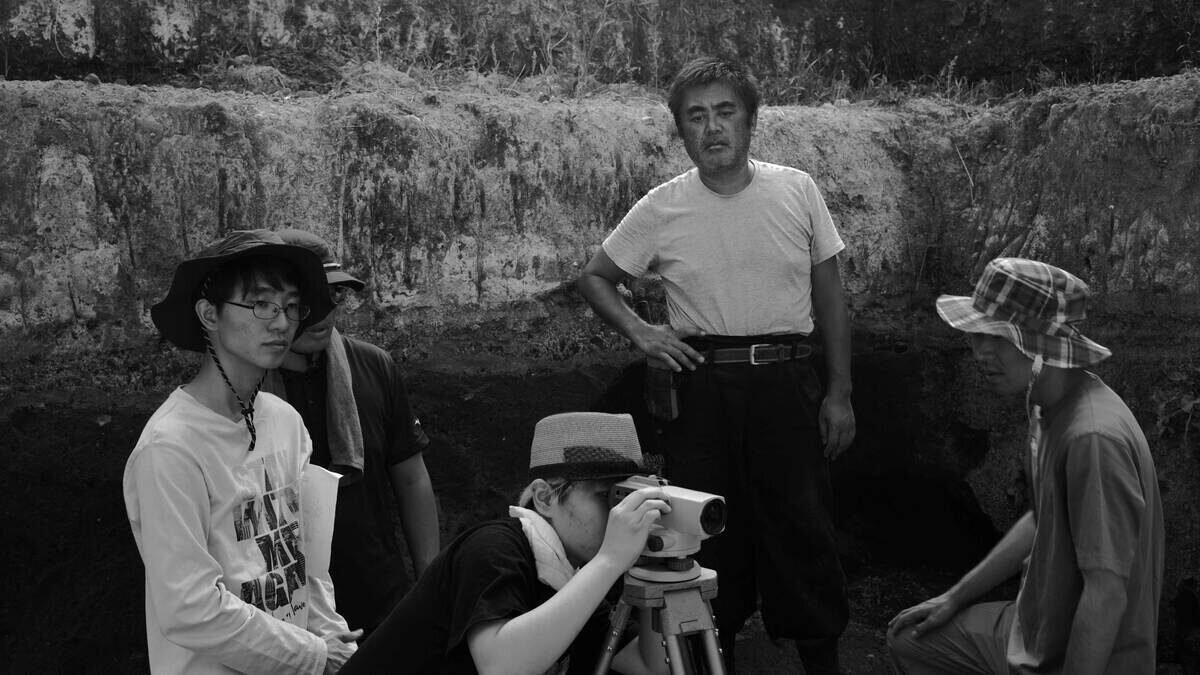
A University of Tokyo team digging at the Somma Vesuviana ruins at the foot of Mount Vesuvius has uncovered part of a building that may be a villa linked to Roman Emperor Augustus, a researcher on the project said. The Japanese discoveries in the shadow of an Italian volcano are the subject of a prizewinning film, Pompei: Below the Clouds.
The team from the university's Graduate School of Arts and Sciences has worked at the site since 2002. Aoyagi Masanori, a professor emeritus at the university and a leading figure in Japanese research on ancient Rome, founded the project.
Vesuvius overlooks the Gulf of Naples. Its most notorious eruption, in 79 CE, buried the Roman cities of Pompeii and Herculaneum in volcanic ash.
A villa lost, then reburied
The dig's main aim was to find a villa owned by Augustus, who lived from 63 BCE to 14 CE and was Rome's first emperor. The area matches descriptions of where he died. In the 1920s a local farmer found a hard buried structure there, and archaeologists uncovered columns and sculpture.
In the 1930s Benito Mussolini ordered resources diverted to the excavation of Pompeii. The suspected "Villa Augustea" was reburied.
Some 70 years later, Aoyagi's team restarted the work. The buildings, murals and artifacts they found looked more typical of the second century, long after Augustus's death. The team concluded the villa was buried by a Vesuvius eruption in AD 472 and dropped the Augustus theory.
A second structure, one level deeper
In 2019, the team found a separate structure one level deeper. Researcher Iwaki said the group had moved on by then. "We had given up [on the Augustus connection] and were excavating with a different subject in mind," he recalled.
He was doubtful at first. "I was suspicious at first, but new ruins continued to emerge from the following year onward, expanding the scale of the site," Iwaki said. "The facts piled up gradually, and by around 2024 I was increasingly convinced."
One factor strengthened his confidence. Damage to the newly excavated structure was caused by pyroclastic flow from the 79 CE eruption, which points to a building older than the one the team first dated.
The team also found a system of multiple furnaces. Seven have been uncovered so far.
Aoyagi first went to Italy in 1969 as a graduate student and studied for three years at the University of Rome. He later got Italian government permission to dig at Pompeii, on a small project with barely enough funding to hire one photography assistant. He went on to dig in Sicily and Tarquinia, and the acclaim those digs earned opened the door to the Somma project.
 Take the quizWhat Kind of Holiday Spender Are You? Take the Black Friday QuizStart →
- 1Mavericks Surfers Race to California for Waves Near 50 Feet
- 2I’m A Celebrity 2026 Line-Up: Rooney Leads 11 Stars Into Jungle

- 3NYC Medical Examiner Has Not Determined Cause of Death of Beau Rose Jessup

- 4Mountaineer Finds Ice Age Cave Bear Graveyard in the Dolomites
- 5Rugby League World Cup Final 2026: Kick-Off Times and How to Watch Kangaroos v New Zealand

 Lifestyle7 Signs Your Social Battery Is Running Low (and Why You Keep Cancelling Plans)
 Lifestyle · Food & HealthThanksgiving Food Safety: How Long Leftovers Last and the Safe Turkey Temperature
 Lifestyle7 Quiet Habits of Emotionally Intelligent People, According to Psychologists
 LifestylePeople Who Don’t Like Celebrating Their Birthday Often Share These 7 Traits