Sleep Matters for Weight, Study Finds 90-Minute Loss Adds Up
Adults who slept 90 minutes less than usual gained an average of one pound over six weeks in a study. Researchers say evidence that extending sleep helps with weight loss remains limited, while findings linking insufficient sleep to weight gain are more consistent.
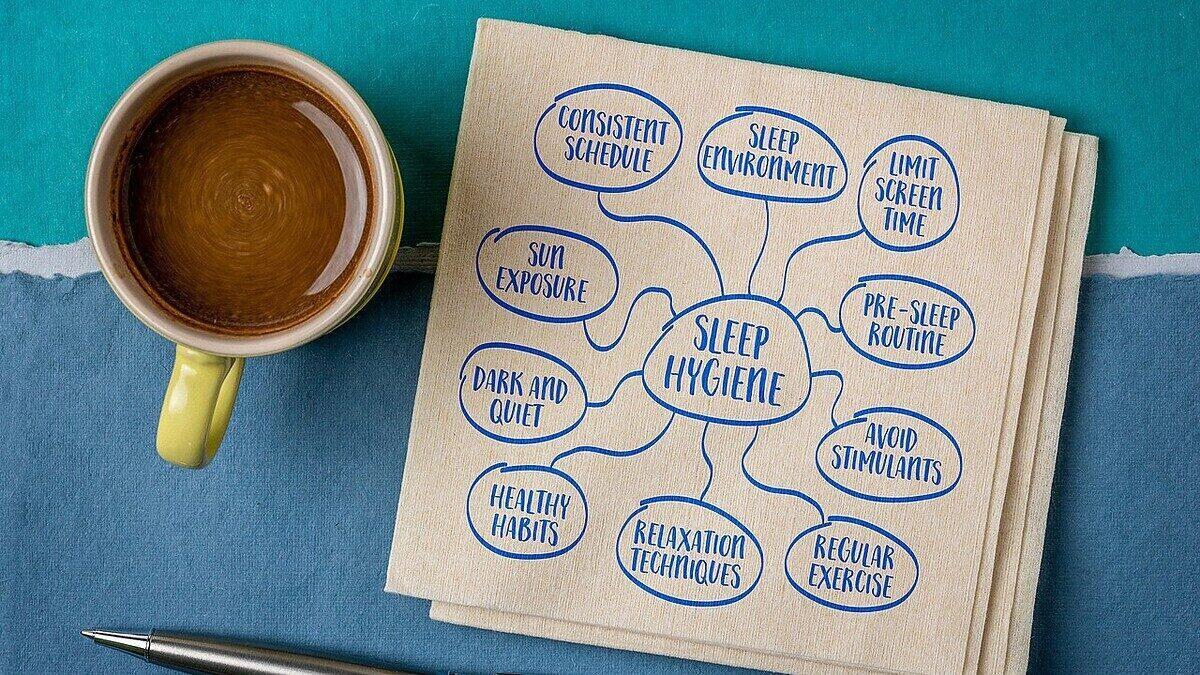
Adults assigned to sleep 90 minutes less than usual gained an average of one pound over six weeks, a study found, adding to evidence that sleep matters when it comes to weight. Researchers say evidence that getting more sleep can help people lose weight remains limited.
The findings point to a measurable link between sleep loss and weight gain, even when the reduction is less severe than in many sleep studies. Researchers have more consistent evidence connecting insufficient sleep with weight gain than showing that extra sleep boosts weight loss.
In a separate randomized clinical trial, 80 overweight adults who regularly slept too little were divided into two groups. Half received counseling to extend their sleep.
“They got them to sleep a little over an hour more per night,” said Seth Creasy, an associate professor of medicine at the University of Colorado Anschutz. The participants ate about 270 fewer calories per day without any changes to their food, he said.
Creasy said the trial offers the strongest evidence so far that extending sleep may affect eating. He described the question of whether more sleep can improve weight-loss efforts as “still an active area of research.”
Other research has found that people with good sleep health lost more weight and fat mass during a year-long weight-loss program than those with poor sleep health. Participants who slept poorly were also more likely to report difficulty following diet and exercise goals, said Christopher Kline, the study’s lead author and an associate professor at the University of Pittsburgh.
Sleep health involves more than the number of hours spent in bed, Kline said. Timing, regularity and satisfaction with sleep also matter.
“A good analogy I like to make is if you get your eight hours of sleep, but those eight hours are between 4 a.m. and noon, that might not be as healthy as someone who regularly obtains their sleep between 10 p.m. and 6 a.m.,” Kline said.
Studies that restrict sleep have found people eat an average of around 300 more calories a day, Creasy said. Many of those studies limited participants to around four or five hours of sleep a night, below the seven to nine hours adults are supposed to get.
Researchers have also found that sleep loss increases activity in brain areas involved in pleasure and reward, making food choices harder. “Our brain is less able to inhibit our desires for those sweet and salty foods,” said Marie-Pierre St-Onge, the senior author of the study on milder sleep loss and a sleep and nutrition scientist at Columbia University.
“Over time, it adds up,” St-Onge said.
 Take the quizWhat Kind of Holiday Spender Are You? Take the Black Friday QuizStart →
- 1I’m A Celebrity 2026 Line-Up: Rooney Leads 11 Stars Into Jungle

- 2Mavericks Surfers Race to California for Waves Near 50 Feet

- 3NYC Medical Examiner Has Not Determined Cause of Death of Beau Rose Jessup

- 4Mountaineer Finds Ice Age Cave Bear Graveyard in the Dolomites

- 5Rugby League World Cup Final 2026: Kick-Off Times and How to Watch Kangaroos v New Zealand

 Lifestyle7 Signs Your Social Battery Is Running Low (and Why You Keep Cancelling Plans)
 Lifestyle · Food & HealthThanksgiving Food Safety: How Long Leftovers Last and the Safe Turkey Temperature
 Lifestyle7 Quiet Habits of Emotionally Intelligent People, According to Psychologists
 LifestylePeople Who Don’t Like Celebrating Their Birthday Often Share These 7 Traits