Puncak Jaya’s Last Ice Has Stopped Flowing Like Glaciers
Ice near the summit of Puncak Jaya has dwindled to scattered patches too small to flow downhill. The remaining ice covered about 0.09 square kilometers by September 2025, and an aerial survey planned for December should estimate how much remains in 2026.
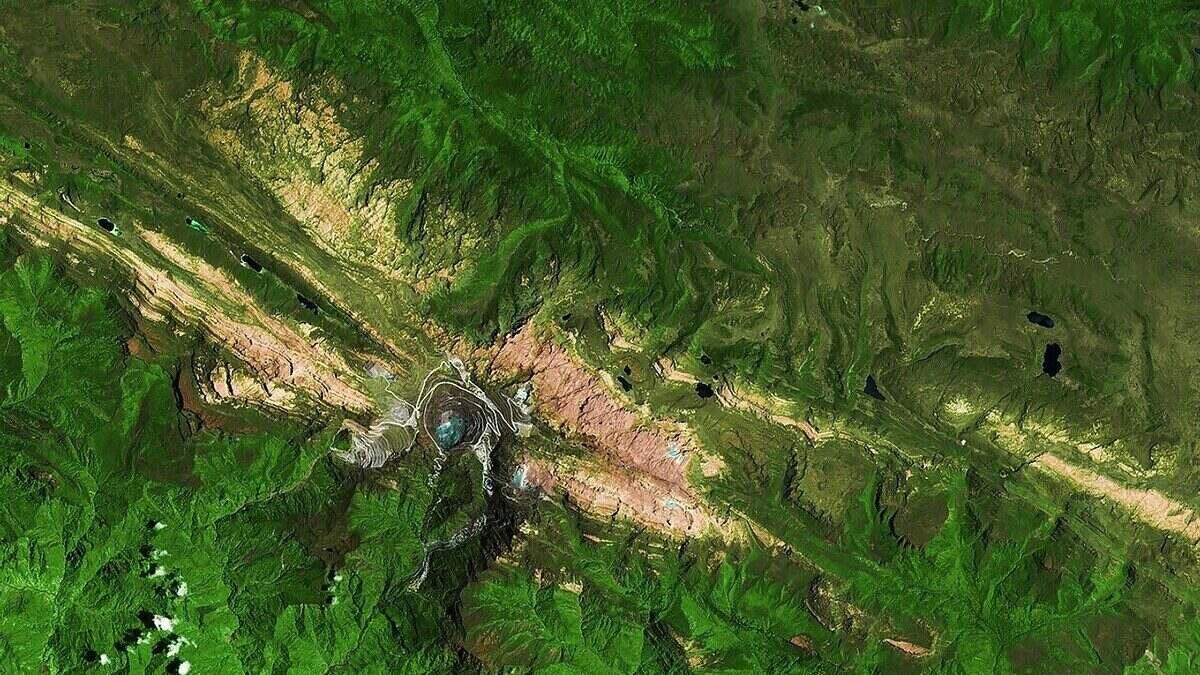
NASA said the last ice on Puncak Jaya had dwindled to scattered patches too small to flow like glaciers near the summit of Indonesia’s mountain. An aerial survey planned for December should estimate how much ice remains in 2026.
The change is visible in satellite images from 1988 and 2026. In 1988, glaciers covered about 4.31 square kilometers (1.66 square miles); by September 2025, satellite and aerial data showed about 0.09 square kilometers (0.03 square miles) remained. That was roughly 2 percent of the earlier area, or about a dozen soccer fields.
Ice has thinned and broken apart
At the East Northwall Firn, the main monitoring site, ice thickness fell from 32 meters (105 feet) in 2010 to 4 meters (13 feet) in 2023, climate scientist Donaldi Permana said. By November 2024, the ice at that site was gone.
Glacier ice generally must be thick enough to flow downhill under its own weight, with snow accumulating faster than it melts. Puncak Jaya’s remnants have become too thin and fragmented to move.
As the patches break apart, they expose more edges where melting can occur. Snow still falls, but it does not last on the bare rock long enough to build up into new ice.
“While small ice remnants persist in high-altitude crevices around Puncak Jaya, their functional life as active glaciers is effectively over,” Permana said.
El Niño can speed the loss
Recent satellite studies suggest the main glacial ice areas could disappear around 2030. Permana said estimates from the Indonesian Agency for Meteorology, Climatology, and Geophysics indicate they could be gone sooner, hastened by the current El Niño.
During El Niño, warmer air raises the freezing level above the summit, so precipitation falls as rain instead of snow. Without fresh, reflective snow to shield the ice, darker surfaces absorb more heat and melt faster.
During the 2015-2016 El Niño, the ice thinned about five times faster than usual, losing roughly 5.3 meters (17 feet) in a single year. The 2023-2024 El Niño brought thinning of about 2 to 4 meters (7 to 13 feet) per year.
“It’s a house of cards problem,” said Chris Shuman, a retired University of Maryland glaciologist who tracked Puncak Jaya’s glaciers in satellite imagery. “Once this process gets going, there’s really no turning back.”
 Take the quizWhat Kind of Holiday Spender Are You? Take the Black Friday QuizStart →
- 1I’m A Celebrity 2026 Line-Up: Rooney Leads 11 Stars Into Jungle

- 2Mavericks Surfers Race to California for Waves Near 50 Feet

- 3NYC Medical Examiner Has Not Determined Cause of Death of Beau Rose Jessup

- 4Mountaineer Finds Ice Age Cave Bear Graveyard in the Dolomites
- 5Rugby League World Cup Final 2026: Kick-Off Times and How to Watch Kangaroos v New Zealand

 Lifestyle7 Signs Your Social Battery Is Running Low (and Why You Keep Cancelling Plans)
 Lifestyle · Food & HealthThanksgiving Food Safety: How Long Leftovers Last and the Safe Turkey Temperature
 Lifestyle7 Quiet Habits of Emotionally Intelligent People, According to Psychologists
 LifestylePeople Who Don’t Like Celebrating Their Birthday Often Share These 7 Traits